
Bridger Aerospace secures $5.3m DOI wildfire task order for 2027
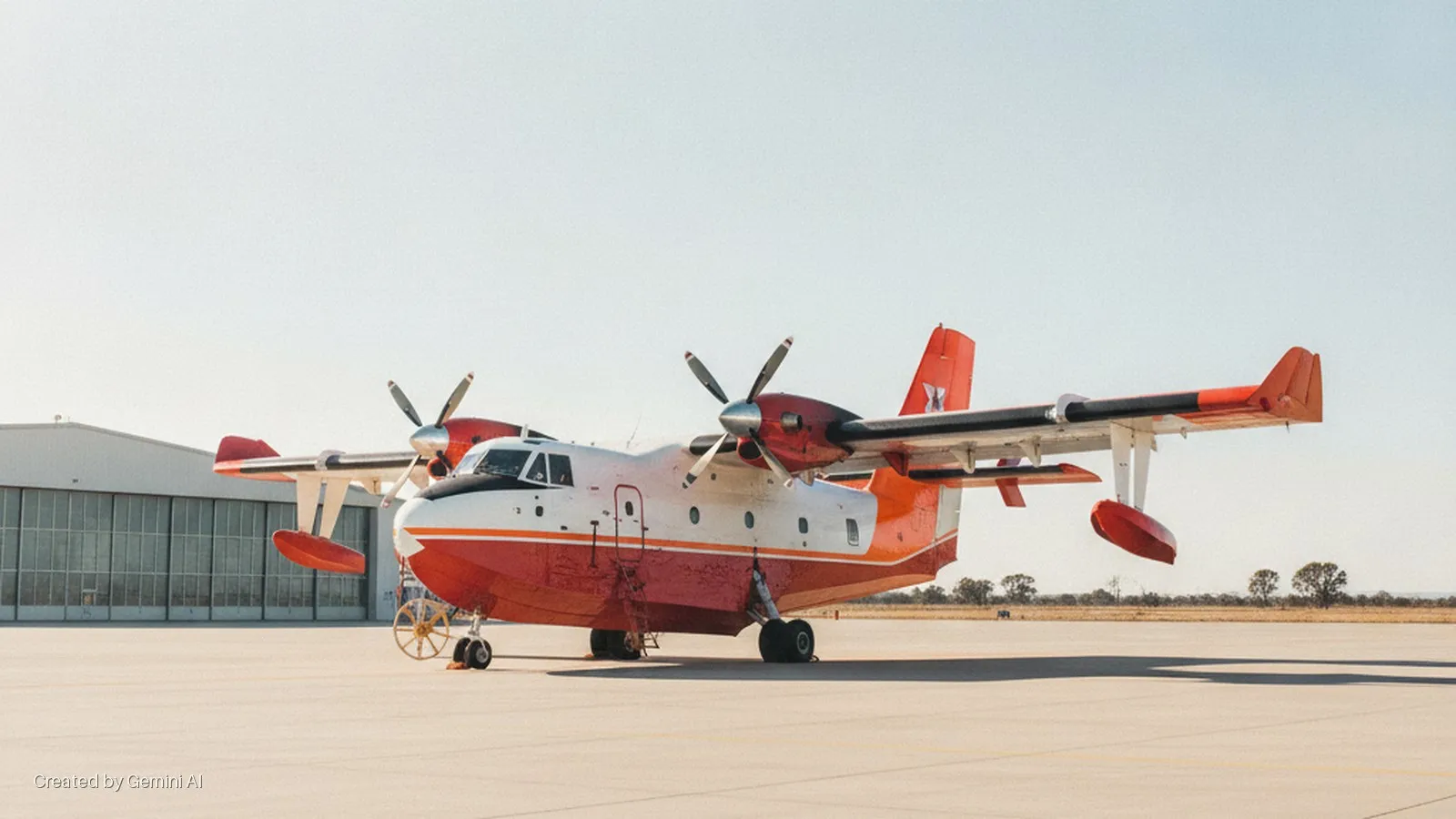
Bridger Aerospace, the Montana-based aerial firefighting company listed on NASDAQ, has been awarded a 220-day task order by the US Department of the Interior (DOI) valued at a minimum of $5.3 million. The contract, issued under an existing DOI framework, will deploy the company's King Air 350 aircraft across the 2027 wildfire season, running from approximately March 2027 through to early October.
The task order covers what Bridger describes as "air attack flight services" in support of the US Wildland Fire Service, with the aircraft specifically assigned to the Bureau of Indian Affairs. It follows a shorter 112-day task order under which the same aircraft was deployed this summer, suggesting the DOI is satisfied with its operational performance and is extending the engagement.
From fighting fires to fusing intelligence
The King Air 350 at the centre of this contract is not a conventional water-dropping platform. The aircraft has been modified at Bridger's FAA-certified repair station and equipped with Blackhawk engine upgrades, Garmin avionics, and a dual sensor suite that includes Wide Area Motion Imagery (WAMI) technology alongside an MX-15 electro-optical and infrared sensor. The combination allows crews on the ground to receive real-time situational data from altitude, effectively turning the aircraft into an airborne intelligence node rather than simply a firefighting asset.
"The King Air 350 will help deliver the information crews need from above to make decisions on the ground and act quickly when every second counts," said Sam Davis, President and Chief Executive Officer of Bridger.
This framing matters. The shift from aerial suppression to aerial intelligence represents a broader pattern in wildfire management, where sensor fusion, data dissemination, and real-time imagery are being layered into emergency response operations that were previously dependent on ground-level observation and radio communication.
The convergence angle: defence-grade sensors in a civilian crisis context
The sensor stack Bridger is deploying, WAMI paired with EO/IR, is technology that originated in defence and intelligence-gathering applications. Its migration into civilian wildfire management is a telling indicator of how defence-grade situational awareness tools are being repurposed for climate-driven infrastructure crises.
This trajectory has capital implications beyond a single $5.3 million task order. As wildfire seasons extend in both duration and geographic scope across the western United States, federal procurement of persistent aerial intelligence is likely to scale. Agencies such as the US Forest Service and the Bureau of Indian Affairs are structurally dependent on contracted operators like Bridger rather than maintaining their own fleets, creating a recurring government revenue model analogous to defence-services contracting.
The broader investment landscape is watching this space carefully. Climate-driven demand for aerial monitoring, whether for wildfires, flood mapping, or border surveillance, is drawing dual-use aerospace operators into longer-term federal frameworks. For cross-sector investors, the convergence of climate risk, government procurement, and sensor technology represents a relatively under-capitalised segment compared with, say, commercial drone delivery or urban air mobility, both of which have attracted significantly more venture attention despite arguably less proven federal demand signals.
Bridger's task order is extendable by mutual agreement, and the company's existing DOI contract provides the framework for further awards. The key variable for 2027 and beyond is the severity and geographic spread of the wildfire season itself, a factor determined less by procurement strategy than by climate conditions neither Bridger nor the DOI can control.