
Scottish Water adopts lab plastic recycling tech in utility-sector first
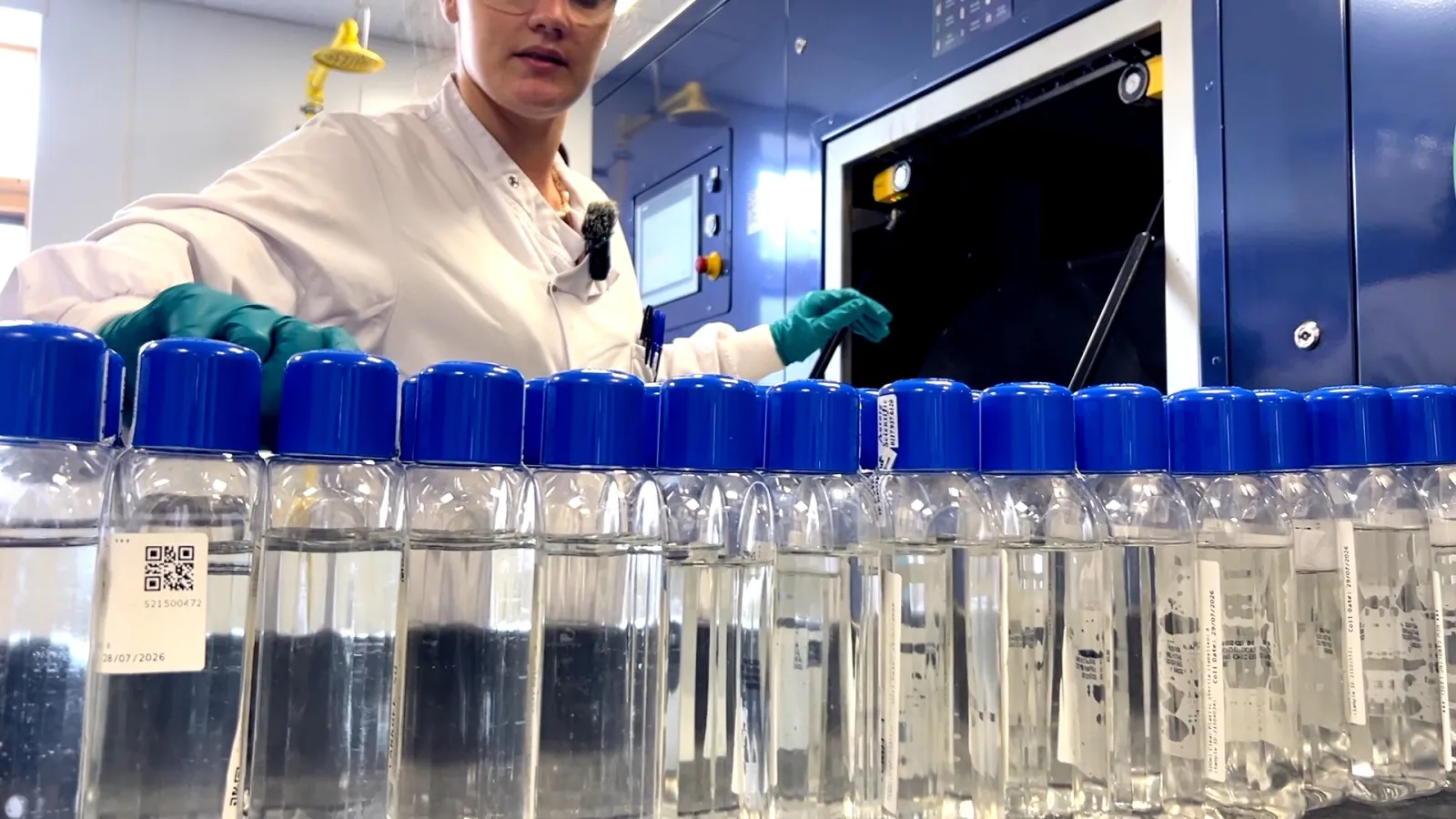
Scottish Water, the publicly-owned Scottish utility, has become the first utility globally to deploy Envetec Sustainable Technologies' GENERATIONS system, a process that simultaneously disinfects and shreds single-use laboratory plastics, routing previously unrecyclable contaminated waste into recycling pathways for the first time. The move signals a quiet but significant shift in how regulated public infrastructure operators are beginning to apply cleantech solutions developed originally for healthcare and life sciences settings.
The Scottish utility conducts around three million analytical tests each year across laboratories in Edinburgh, Inverness, and other sites throughout Scotland. Those tests, required to meet regulatory standards on water quality and public health, generate large volumes of single-use plastics, sample bottles, petri dishes, and pipette tips, making its Scientific Services division the company's largest producer of plastic waste. Since January, approximately 72,000 sample bottles have passed through the GENERATIONS system, reducing manual handling time and generating traceable data on volumes, polymer types, and downstream material pathways.
From healthcare to infrastructure
The cross-sector provenance of the technology is notable. Envetec positions itself as a cleantech company serving healthcare and life sciences, where the challenge of dealing with biologically contaminated single-use plastics is both acute and heavily regulated. The GENERATIONS process, chemical disinfection combined with mechanical shredding, conducted on-site, was built to address exactly this problem. Scottish Water's adoption represents the first transfer of that solution into utility infrastructure at scale, a pattern increasingly visible as decarbonisation pressure forces legacy operators to borrow innovation from adjacent sectors rather than waiting for sector-specific solutions to mature.
Traditional treatment of microbiologically contaminated lab plastics has relied on autoclaving, a high-energy, water-intensive sterilisation method, followed by landfill or incineration, since the treated material could not previously enter recycling streams. The GENERATIONS system replaces that end-of-life pathway with one that produces material suitable for recycling, while also reducing the energy and water demands associated with autoclaving and cutting the frequency of plastic recycling skip collections.
Circular economy meets critical infrastructure reporting
The data dimension of the deployment carries weight beyond the waste stream itself. The system captures material volumes, laboratory sources, polymer types, indicative emissions savings, and downstream destinations, information Scottish Water says will strengthen its Scope 3 reporting and support decisions about expanding the approach to additional waste streams. As regulators and investors place increasing scrutiny on Scope 3 emissions (those occurring outside a company's direct operations, including supply chain and waste), utilities face growing pressure to produce granular, auditable data to underpin net-zero commitments. A system that simultaneously treats waste and generates reporting-grade data addresses two compliance challenges at once.
"GENERATIONS is helping laboratories treat selected waste streams on site, capture useful operational data, and support meaningful material recovery," said Malcolm Bell, Chief Executive of Envetec.
The broader capital and adoption context is worth tracking. Cleantech solutions targeting laboratory and healthcare waste remain a relatively niche segment, sitting at the intersection of life sciences infrastructure, circular economy regulation, and utility decarbonisation mandates. However, the regulatory tailwinds are substantial: the UK's Environment Act, the EU's revised Waste Framework Directive, and tightening Scope 3 disclosure requirements under ISSB-aligned reporting frameworks are all creating structural demand for exactly this kind of auditable, on-site treatment capability. If Scottish Water's rollout generates the traceability and emissions data its Scientific Services team expects, it creates a replicable template for water utilities, hospital trusts, and university research laboratories, all of which face comparable plastics challenges and comparable reporting obligations.
For investors tracking cleantech's expansion into regulated infrastructure, the Scottish Water-Envetec partnership is an early signal that the market for non-thermal waste treatment is beginning to migrate beyond its healthcare origins. The question for the next twelve months is whether similar utilities in the EU or North America move to adopt comparable systems, or whether procurement cycles in regulated public infrastructure slow what could otherwise be a rapid cross-sector diffusion.