
MBody AI files two patents for autonomous equipment platform
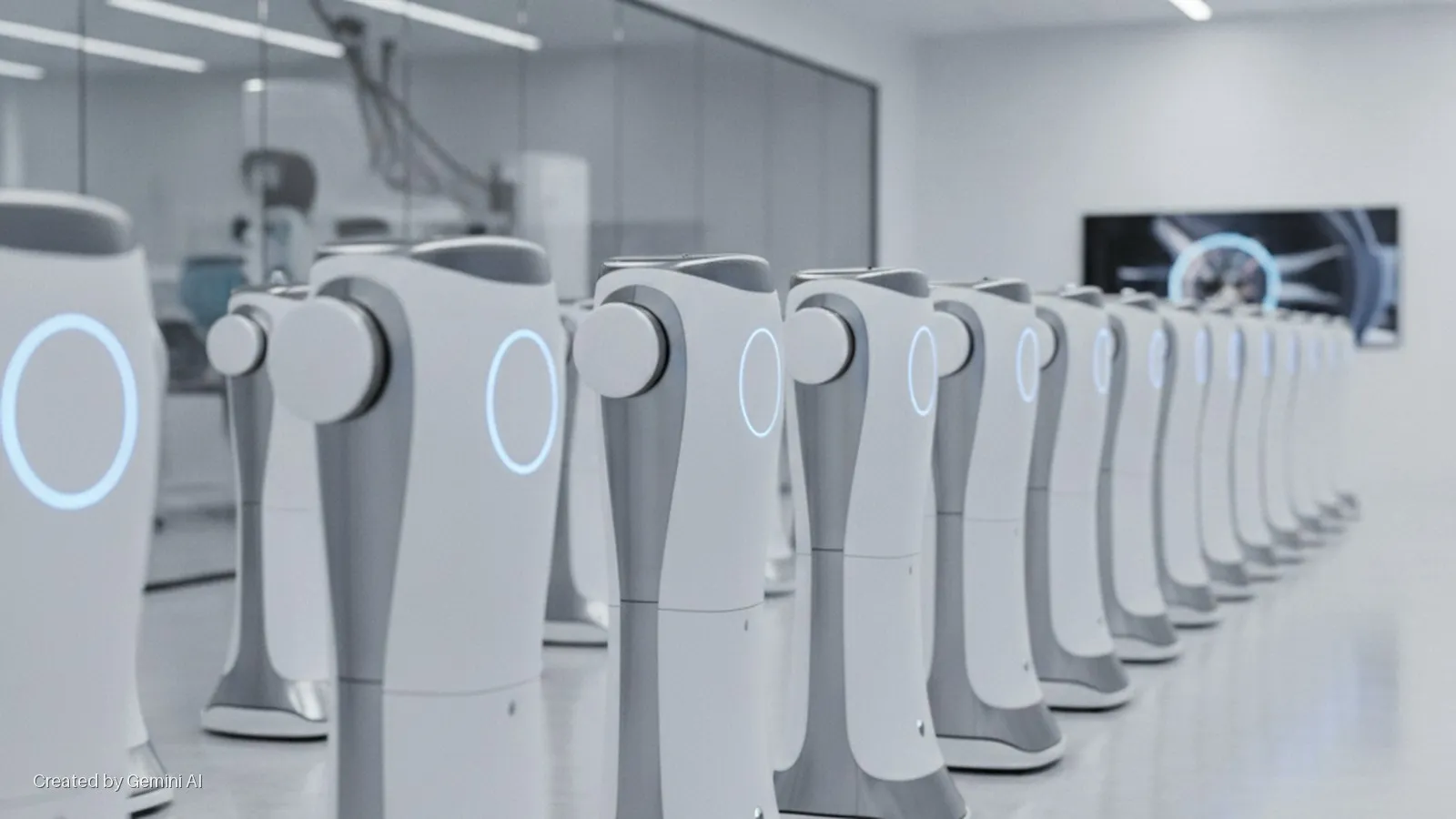
MBody AI (NASDAQ: MBAI), a Las Vegas-based physical AI company, has filed two patent applications covering the core architecture of its Orchestrator platform, which coordinates autonomous equipment from multiple robotics manufacturers across a single enterprise operating layer. The move signals an early-stage IP land-grab in a sector where software incumbency could prove as durable as it did in enterprise resource planning two decades ago.
The first application, filed under the Patent Cooperation Treaty (PCT/US2026/045689), addresses the AI architecture for managing autonomous equipment from different hardware vendors and orchestrating their work alongside on-site human staff. The PCT route opens a path to protection in more than 150 countries, a deliberate signal of international commercial intent. The second, US Application No. 19/808,008, targets a narrower but operationally significant problem: keeping autonomous outdoor equipment functional in extreme heat, a constraint that has previously limited physical AI deployments in high-temperature climates across the Gulf, the US Sun Belt, and parts of Southeast Asia.
From cleaning robots to an enterprise OS
Orchestrator currently integrates seven supported equipment types from three hardware manufacturers, with current deployments concentrated in commercial cleaning for hospitality, gaming, and large-facility operators. MBody AI's commercial model is structured as AI-as-a-Service, bundling proprietary software with supported equipment and ongoing service under long-term agreements that generate recurring monthly payments.
Chief Executive John Fowler framed the company's ambition in terms of platform stickiness rather than hardware sales: "They can start with one task, expand to more locations and add new capabilities as they become available. Each step can create significantly more value for the customer and an even larger revenue business for MBody AI." The company says near-term expansion targets include delivery, material handling, and security patrol, all tasks already budgeted by facility operators and therefore lower-friction to automate than greenfield applications.
The Morgan Stanley figures cited in the release, which frame the humanoid market alone at potentially exceeding $5 trillion by 2050 against a $40 trillion global labour market, are third-party industry projections and carry the uncertainty typical of decade-horizon forecasts. MBody AI is not building humanoids; the citation is context for the broader physical AI opportunity its platform is designed to address.
The convergence read-across: hospitality meets the agentic workforce
The hospitality and gaming sectors are unusually exposed to physical AI disruption for two compounding reasons. First, labour costs in large-facility operations (cleaning, logistics, security patrol) represent a structurally high share of operating expenditure, and post-pandemic wage inflation has made automation economics more attractive. Second, the physical environments are relatively controlled and asset-heavy, lowering the edge-case complexity that still defeats general-purpose robotics in unstructured settings.
For cross-sector investors, the more significant signal is the platform model itself. MBody AI is attempting to occupy the integration layer between competing hardware manufacturers, a position analogous to what middleware and ERP vendors captured in enterprise software. If the Orchestrator architecture achieves genuine multi-vendor interoperability at scale, the IP moat it is now filing for could matter more than any single hardware relationship. That logic will be familiar to capital allocators who tracked the early SaaS infrastructure plays in cloud computing, where the orchestration layer, not the compute, captured disproportionate value.
The heat-tolerance patent is also worth watching as a geopolitical infrastructure signal. Gulf sovereign wealth funds have invested heavily in large-scale hospitality and tourism assets, from Saudi Arabia's NEOM to Abu Dhabi's resort corridor. Physical AI that can operate reliably in extreme outdoor temperatures addresses a genuine deployment barrier in those environments, and could attract GCC operator interest beyond MBody AI's current North American base. Whether the company's international expansion ambitions extend to the Gulf will be a telling indicator of how seriously it is pursuing that opportunity.