
Altius Inspiro opens Dumaguete hub as Japan-backed BPS sector scales
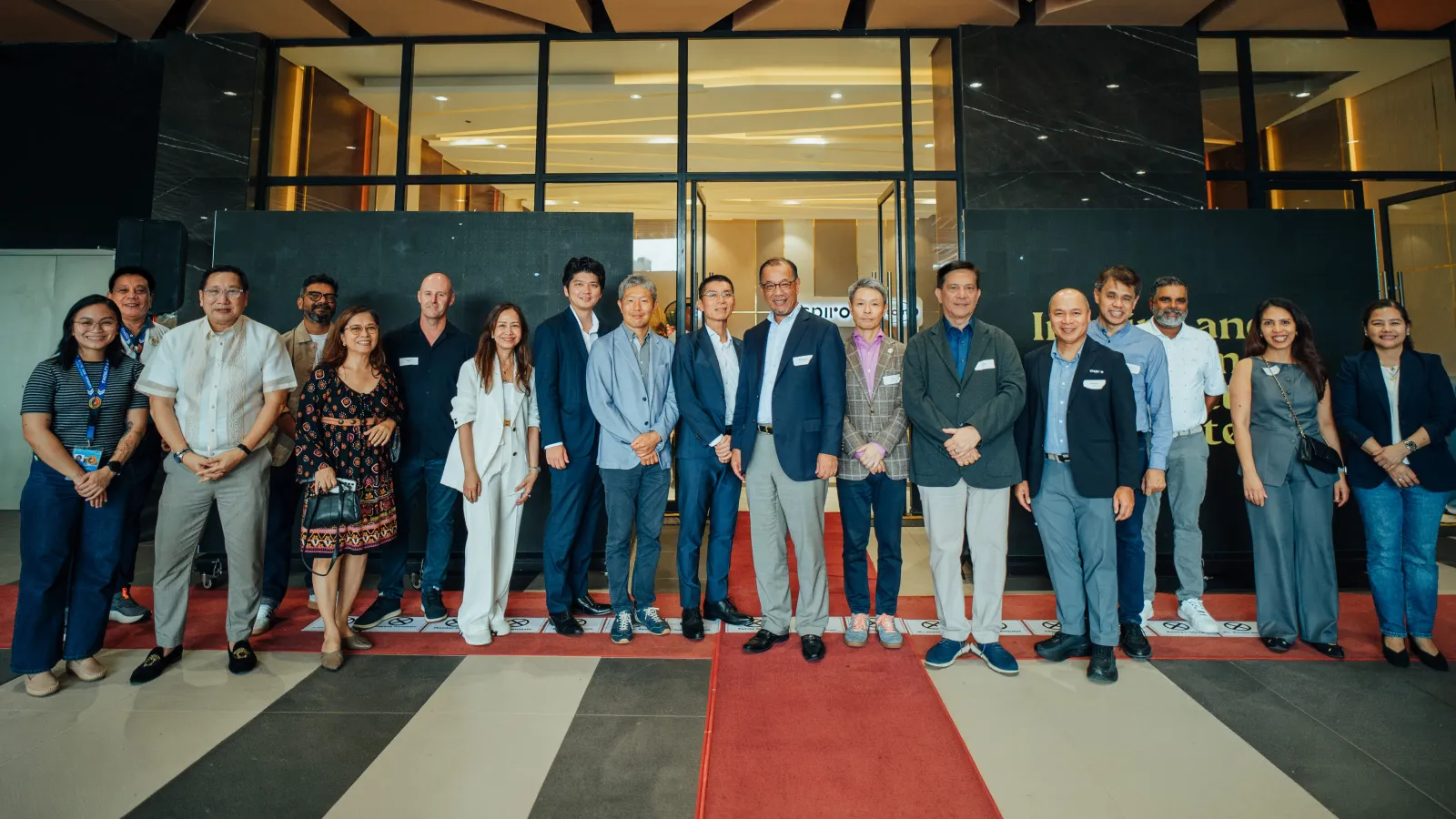
Altius Inspiro, the business process services (BPS) and digital customer experience (CX) subsidiary of Japan's Altius Link, has inaugurated a 7,400-square-metre facility in Dumaguete City, the Philippines. The site, housed within Cybergate Dumaguete, already employs more than 2,000 people delivering outsourced CX and back-office operations for clients across the United States, Australia, New Zealand and the Philippines. The verticals served span retail and e-commerce, telecommunications, travel, mobility and healthcare.
Altius Link is itself a joint venture between KDDI Corporation, one of Japan's largest telecoms groups, and trading house Mitsui & Co. The Dumaguete expansion therefore represents a direct bridge between Japanese corporate capital and the Philippines' mature English-language BPS workforce, a corridor that has quietly absorbed significant investment as Western multinationals seek near-shore English-speaking delivery capacity outside of India.
AI automation embedded in outsourced workflows
Altius Inspiro positions its model around four operating levers: human expertise, intelligent automation, advanced analytics, and Lean Six Sigma process discipline. AI and automation are, the company says, embedded directly into client workflows to reduce resolution times and drive continuous improvement. The framing is deliberate: rather than positioning AI as a replacement layer, the company is marketing it as a friction-reduction tool that augments the 2,000-strong workforce it has just expanded.
That positioning matters for the broader BPS industry, which faces a structural tension. Generative AI and agentic automation are compressing the unit economics of voice and text-based CX, threatening the labour-arbitrage model that made the Philippines the world's second-largest BPS destination by revenue. Operators that can credibly frame AI as a capability multiplier rather than a headcount substitute are better placed to retain enterprise contracts as procurement teams sharpen their scrutiny of offshore service costs.
"This is purposeful growth: a deliberate investment in our people, our capabilities, and the communities where we operate," said Ryo Ohashi, President and CEO of Altius Inspiro. The quote signals a deliberate counter-narrative to automation anxiety: a Japanese-capitalised operator investing in Philippine talent at scale, not retreating from it.
Convergence read-across: telecoms capital, retail outsourcing and regional labour markets
The Dumaguete story sits at the intersection of several macro currents that Disrupts readers are tracking. First, Japanese corporate capital continues to flow into Southeast Asian digital infrastructure through the Mitsui-KDDI partnership, part of a broader pattern of Japanese conglomerates using trading-house structures to stake positions in emerging-market tech services at a moment when US and European firms are pulling back on greenfield CapEx commitments abroad.
Second, the verticals the Dumaguete hub serves, particularly retail e-commerce and travel, are precisely those under the greatest AI-driven transformation pressure. As agentic AI tools begin handling tier-one customer queries autonomously, the strategic question for brands is whether to internalise that capability or delegate it to a specialist BPS operator who has already embedded the tooling. Altius Inspiro's model, integrating automation within a managed-service wrapper, is a direct bid for that second camp.
Third, Dumaguete represents a deliberate move beyond Manila and Cebu into secondary Philippine cities, a geographic diversification that reduces concentration risk for clients and taps lower-cost but increasingly skilled labour pools. The presence of Negros Oriental State University at the inauguration ceremony points to an active talent pipeline strategy, an increasingly important signal for enterprise procurement teams assessing vendor resilience.
For cross-sector investors watching Southeast Asian digital infrastructure, the Altius Inspiro hub is a data point in a larger argument: the BPS sector is not being hollowed out by AI, it is being restructured around operators who can credibly own both the human and automated layers of enterprise CX delivery.