
Canadian University Dubai and FINTECH.TV open NYSE-linked studio
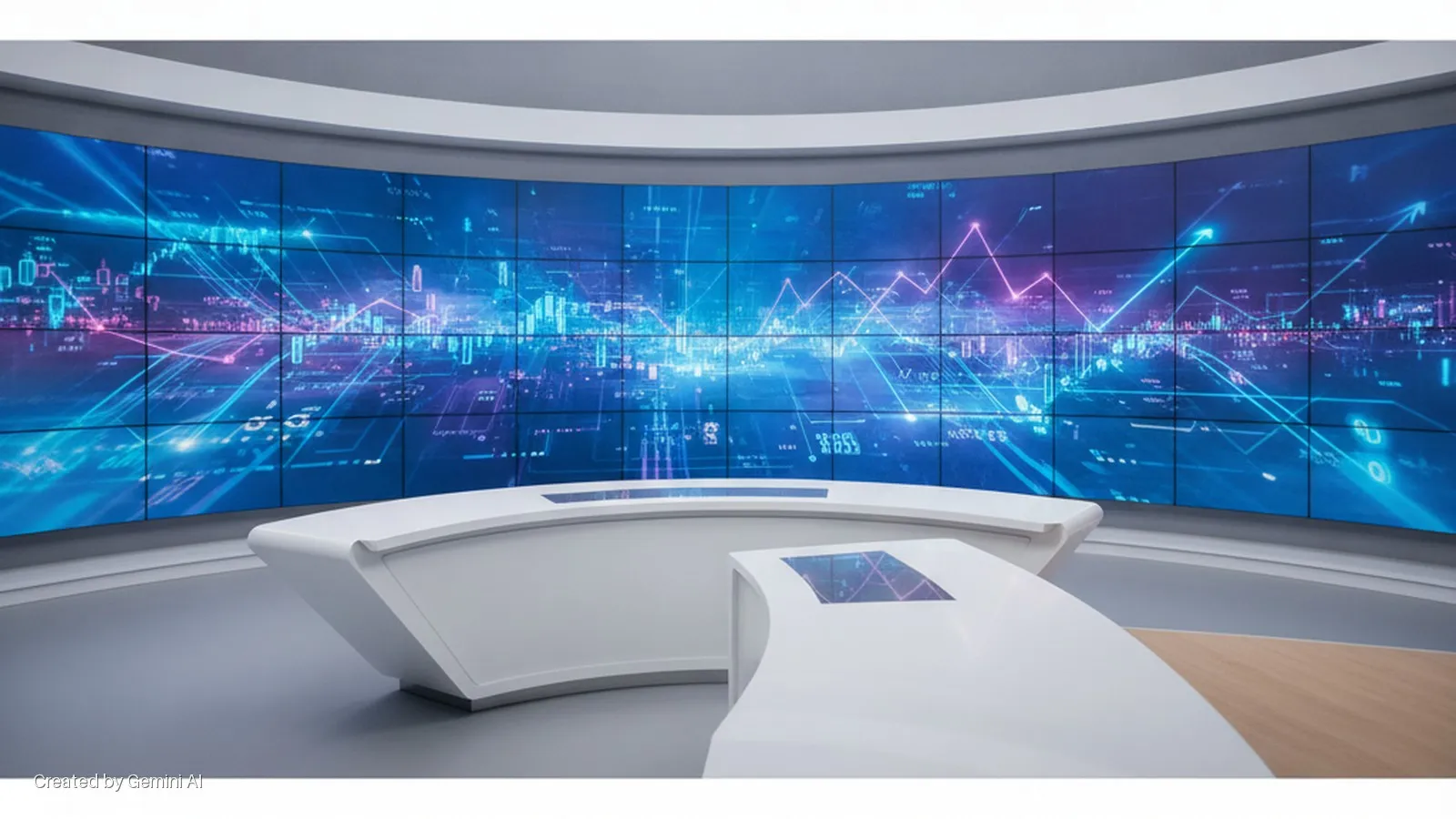
Canadian University Dubai (CUD) and financial media network FINTECH.TV have inaugurated a broadcast studio at CUD's City Walk Campus, establishing a live link between Downtown Dubai and FINTECH.TV's base at the New York Stock Exchange. The facility, which opened on 1 June 2026, is positioned as a platform for student-facing programming, executive interviews, and industry-led content spanning finance, technology, and media.
The partnership was formalised earlier this year when CUD President and Vice-Chancellor Professor Karim Chelli and FINTECH.TV founder and CEO Vince Molinari signed a Memorandum of Understanding at the NYSE. The studio is intended to give CUD students direct exposure to practitioners operating at the intersection of global capital markets and financial media.
Dubai as a convergence node
The studio's launch is a small but telling indicator of a larger structural shift: Dubai is actively positioning itself as a relay point between Western financial infrastructure and the Gulf's growing appetite for knowledge-economy assets. The choice of a university campus, rather than a corporate office or co-working hub, signals an intent to embed that connectivity at the talent-formation stage.
Vince Molinari framed it in explicitly ecosystem terms: "This partnership aligns financial media with higher education and creates opportunities for students to engage directly with the people, ideas, and technologies shaping global markets." The inaugural event, themed "Opening Gateways Between Dubai and New York," included a panel on the convergence of media, finance, and talent, and the studio has already hosted representatives from Coinbase Institutional since opening.
Capital flows, talent pipelines, and the Gulf media play
The convergence angle here is subtler than a straightforward funding round, but strategically legible. The UAE has spent the past decade building a regulatory and infrastructural environment designed to attract financial services, tech platforms, and media operations simultaneously. DIFC's fintech regulatory sandbox, Abu Dhabi's sovereign wealth deployments into AI and biotech, and now university-anchored broadcast infrastructure all point in the same direction: the Gulf is not merely importing financial capital, it is building the media and educational layer that retains and recirculates talent.
For cross-sector investors, the CUD-FINTECH.TV model is worth watching as a template. If financial media platforms can embed themselves inside higher education institutions across emerging-market hubs, they gain both a content pipeline and a recruitment channel, a dual flywheel that traditional broadcast networks lack. The presence of Coinbase Institutional at the studio's inaugural programming also hints at the crypto-to-institutional-finance narrative that the UAE has been deliberately cultivating since its Virtual Assets Regulatory Authority came into force.
The immediate question is whether the studio model scales. FINTECH.TV operates primarily from its NYSE location, and the Dubai outpost is currently a single node. Whether the network extends to other Gulf or Asian university campuses will determine whether this is a genuine media-education convergence play or a well-branded flagship initiative. CUD and FINTECH.TV have indicated plans for live programming, masterclasses, and student-produced content in the months ahead, but no further geographic commitments have been announced.
For macro strategists watching the Gulf's soft-power buildout, the studio represents the kind of institution-building that precedes larger capital concentration: where talent pipelines are formalised, financial media follows, and where financial media operates, deal flow and investor attention tend to consolidate next.