
stc pay Bahrain goes physical via Diebold Nixdorf kiosk deal
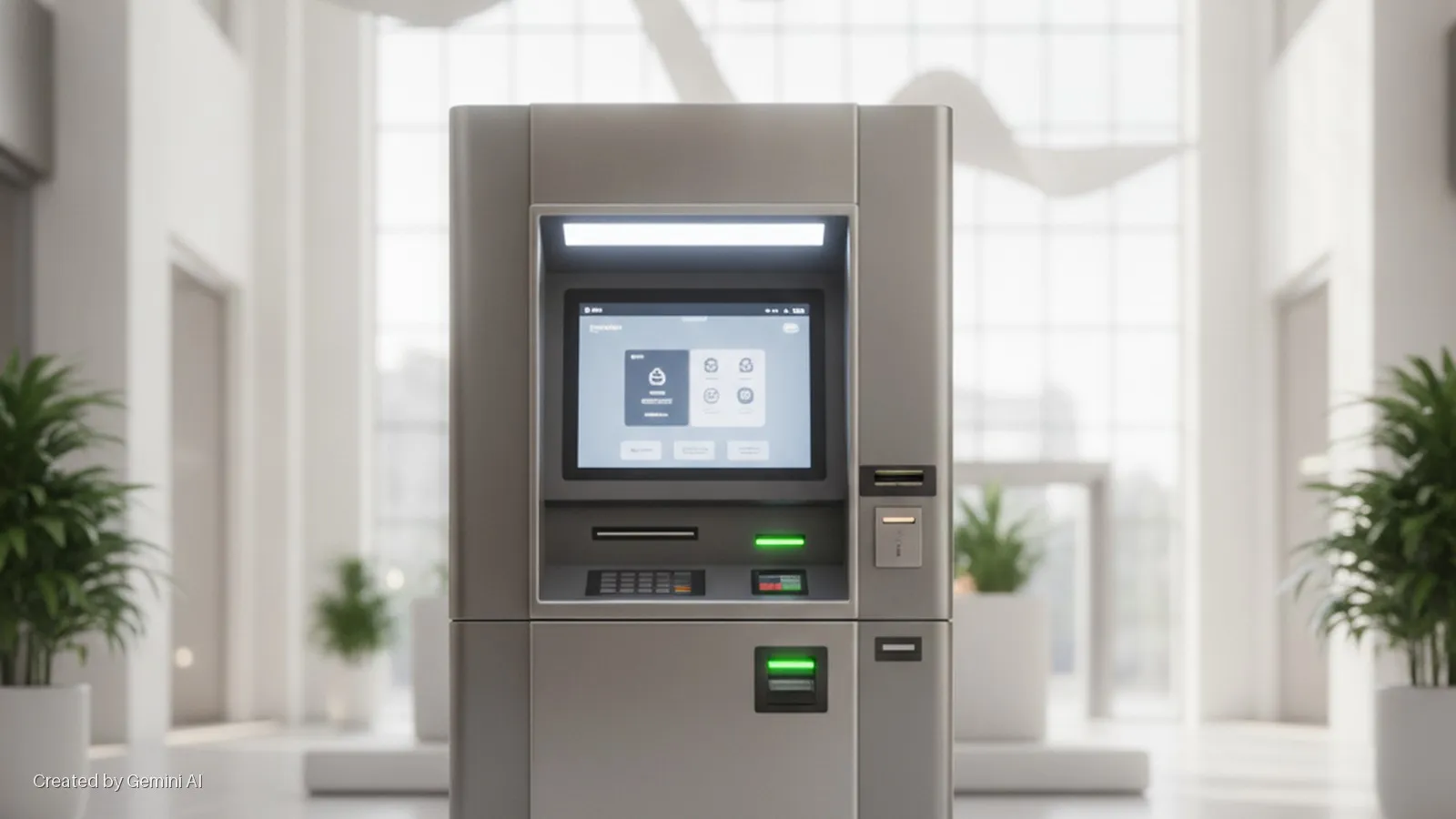
Diebold Nixdorf (NYSE: DBD) and stc pay Bahrain have announced a partnership that places the US banking-hardware group's DN Series cash recyclers inside the mobile wallet's physical locations across Bahrain. The deal, announced at Fintech Forward 2026, is framed as Diebold Nixdorf's first major engagement with a telecoms-affiliated financial services provider in the Middle East, a collision point between the device-hardware legacy of retail banking and the asset-light, app-first model that Gulf telecoms operators have been quietly building into financial utilities.
stc pay Bahrain is a subsidiary of stc Bahrain, the Kingdom's incumbent telecoms operator. Its mobile wallet is licensed by the Central Bank of Bahrain and positions itself primarily around the large expatriate workforce: remittances, prepaid Mastercard access, and payroll compliance under Bahrain's Wage Protection System. Adding physical kiosks extends that proposition into communities that remain more comfortable transacting in cash, or who need services such as eSIM issuance and SME cash collections that a smartphone screen alone cannot easily serve.
Physical kiosks as digital gateways
The DN Series devices being installed are not conventional ATMs. They support wallet top-ups, domestic and international remittances, bill and gift card payments, transportation card reloads, charitable donations, and cash handling for small businesses. Some units will carry Interactive Teller Machine kits, adding a video-banking layer. The hardware connects to stc pay's backend via DN Vynamic Software, a cloud-native, API-driven middleware stack that Diebold Nixdorf says can introduce new service types without hardware changes. AI-driven fleet monitoring, running through Diebold Nixdorf's AllConnect Data Engine, manages uptime across the network.
Metin Zavrak, CEO of stc pay Bahrain, said: "Expanding our network beyond the mobile app is a strategic step towards making our financial services more accessible to the wider community."
Local deployment is handled through Almoayed Group WLL, Diebold Nixdorf's licensed partner in Bahrain.
The convergence read-across
The deal sits at a well-defined fault line in Gulf financial services. Several GCC telecoms operators have accumulated payments licences and mobile-wallet customer bases over the past five years, effectively building parallel financial rails to those of the established retail banks. What they have lacked is physical infrastructure. Legacy banks own the ATM and branch networks; fintechs own the app. Diebold Nixdorf's pitch here is that its hardware can bridge that gap without requiring the fintech to acquire a full banking licence or build branch operations.
For cross-sector investors, the broader implication is worth tracking. If telecoms-native wallets can acquire credible physical touchpoints through hardware-as-a-service arrangements rather than capital-intensive branch builds, the competitive pressure on GCC retail banks intensifies without any single dramatic event signalling it. The gradual diffusion of self-service kiosks into telecoms retail footprints is a structural encroachment, not a headline acquisition.
The Central Bank of Bahrain's stated goal of a "cash-optimised" (rather than fully cashless) society is also relevant context. Regulators across the Gulf are calibrating digital-financial inclusion against the practical reality that large segments of the migrant workforce remain reliant on cash handling. Kiosk networks that recycle cash while simultaneously onboarding users to digital wallets serve that regulatory objective directly, which likely accelerates licensing goodwill for operators pursuing this model.
The question for capital allocators watching the GCC fintech space is whether this telecoms-led, kiosk-augmented wallet model scales regionally, to Saudi Arabia, the UAE, and Kuwait, or whether it remains a market-specific response to Bahrain's particular demographic mix of migrant workers and a progressive central bank. Diebold Nixdorf's willingness to frame this as a template for "emerging financial-services models beyond traditional banking" suggests the company is positioning the deal as a reference case for the wider region.