
NAB taps Diebold Nixdorf to overhaul 700-plus ATMs by 2028
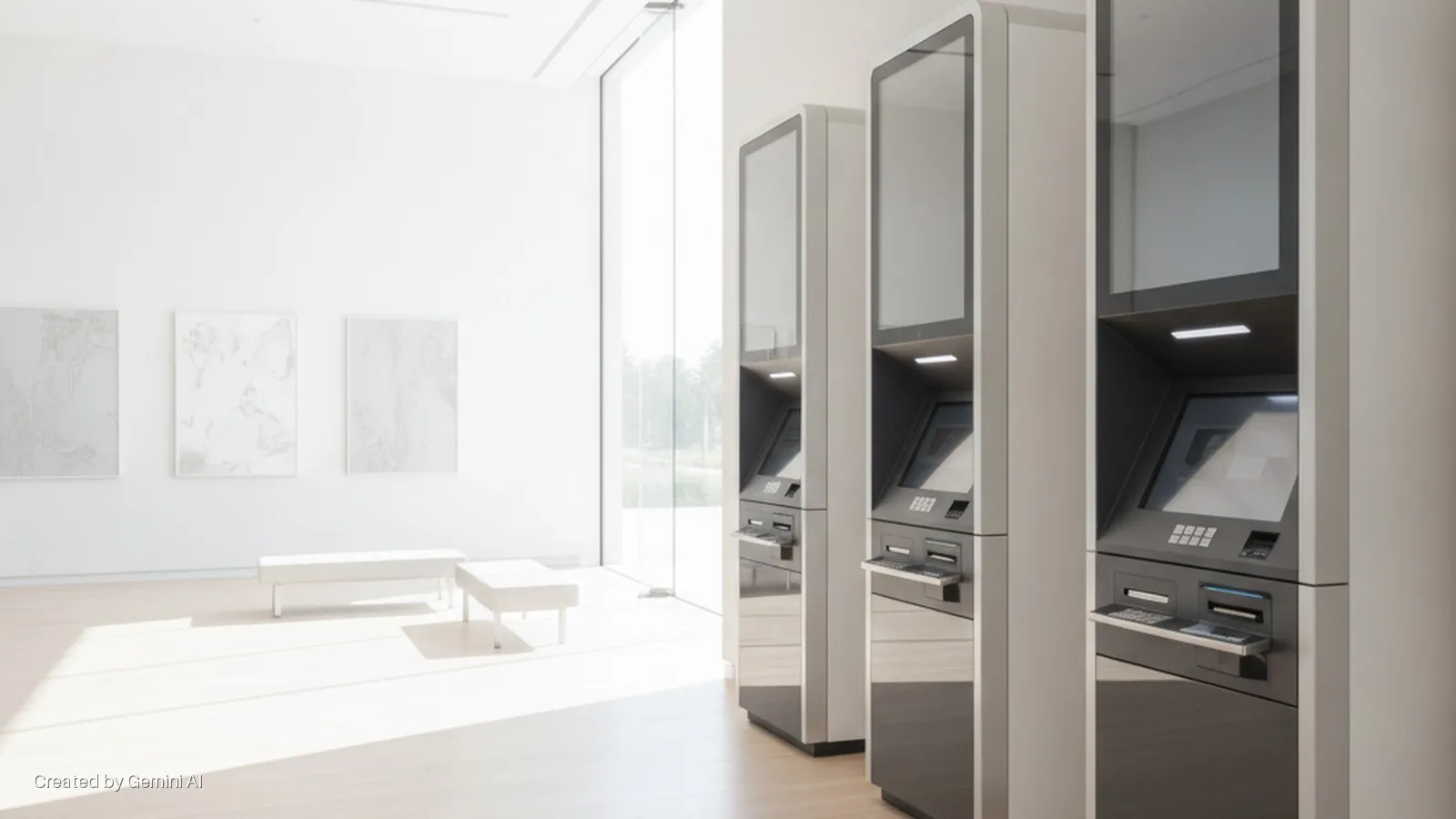
National Australia Bank (NAB) is deploying more than 700 Diebold Nixdorf DN Series cash recycling ATMs across its national network, paired with Diebold Nixdorf's cloud-native Vynamic Acquiring payments platform. The rollout runs through 2028 and represents one of the more conspicuous physical-infrastructure commitments made by a major retail bank in the Asia-Pacific region at a moment when most of its peers are accelerating branch closures and digital-only service models.
NAB's ATMs currently process upwards of 500,000 transactions every week, a volume that gives the bank a commercial rationale for the investment even as the broader industry narrative skews toward contactless and app-based payments. The DN Series machines use a cash recycling mechanism: banknotes deposited by one customer are authenticated and reused for subsequent withdrawals, reducing the frequency of armoured-vehicle replenishment runs and the operational costs that accompany them.
Cloud-native infrastructure meets legacy cash
The software layer is arguably as significant as the hardware. Vynamic Acquiring is built on a microservices architecture and deployed via cloud-native infrastructure, meaning NAB can update payment logic, compliance rules and customer-facing features without replacing physical units. The platform is also positioned to help the bank meet Australia's evolving regulatory requirements around payment switching, an area where legacy middleware has historically created friction for large institutions.
Paul Carter, Executive Retail Banking at NAB, said the investment would allow the bank to "automate more cash-handling processes, improve cash availability and reduce operational interventions" to serve customers "more dependably and efficiently wherever and whenever they need access to their money."
Diebold Nixdorf, listed on the NYSE under the ticker DBD, operates in more than 100 countries and counts major financial institutions and large-format retailers among its core customer base. The Australian market engagement will be serviced locally through ITS, Diebold Nixdorf's licensed partner in the region, giving the rollout a local supply-chain and maintenance structure that larger technology contracts in APAC have sometimes struggled to establish.
The convergence angle: cash infrastructure as a fintech hedge
The NAB deal sits inside a broader strategic tension that is reshaping retail banking infrastructure globally. As neobanks and digital wallets compress margins on card payments, incumbent banks are increasingly under pressure to justify the sunk cost of physical distribution. NAB's move reframes that calculus: by upgrading the software layer with cloud-native architecture, it converts a legacy cost centre into a platform asset that can be iterated without further capital expenditure on hardware.
For cross-sector investors, the story has a second dimension. Physical cash infrastructure is proving more durable than the digital-first consensus predicted five years ago. Central banks in Australia, the UK and across the eurozone have all signalled concern about declining cash acceptance and the financial-inclusion risks that follow. That regulatory backdrop is quietly underwriting a new cycle of ATM and self-service investment, one that benefits hardware incumbents such as Diebold Nixdorf and their software partners at a time when fintech capital flows are predominantly chasing lending, embedded finance and open-banking plays.
The 2028 completion horizon also matters. By that point, Australia's New Payments Platform and the broader regulatory push toward real-time payments will have matured significantly, and NAB will want its self-service estate capable of handling new transaction types and compliance requirements without a second hardware refresh. Whether the Vynamic platform's microservices architecture can deliver that flexibility in practice, rather than in the press release, is the question editors and investors will be watching.