
Arcera and Innogen link GLP-1 drug to Global South markets
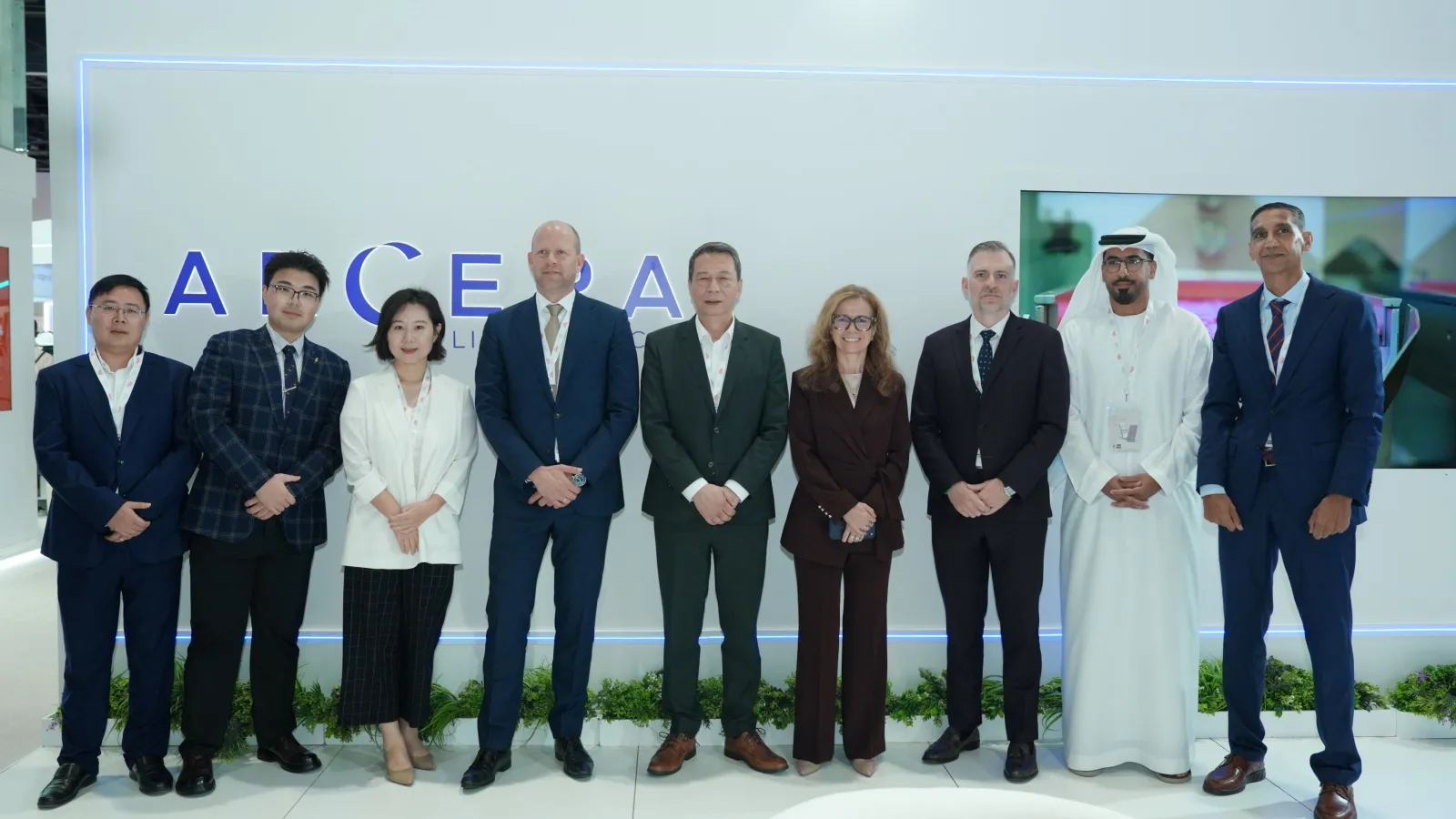
Arcera Life Sciences, the Abu Dhabi-headquartered commercialisation platform active in more than 100 countries, has signed an exclusive licensing and commercialisation agreement with Shanghai-listed Innogen Pharmaceuticals (HKEX: 2591) for Efsubaglutide Alfa, a next-generation GLP-1 receptor agonist. The deal covers selected markets across Africa, Eastern Europe, Latin America and the Middle East, and signals a strategic push to route China-originated metabolic therapies into underserved emerging-market healthcare systems.
GLP-1 receptor agonists have become the most commercially contested class of medicines in the world. The addition of GLP-1 therapies to the World Health Organisation's Model List of Essential Medicines in 2025 changed the regulatory conversation from "access as aspiration" to "access as obligation," and has created openings for second-wave entrants in markets where Novo Nordisk and Eli Lilly have limited commercial infrastructure. Arcera is positioning itself as that distribution layer.
A differentiated molecule seeking global registration
Efsubaglutide Alfa is not a straight replica of existing weekly injectables. Innogen's molecule is a fusion protein combining a human GLP-1 analogue with an IgG Fc fragment, producing a half-life of up to 280 hours, which opens the door to once-monthly dosing. Clinical data from Chinese trials reported HbA1c reductions of approximately 2.2 percentage points at week 24 for type 2 diabetes, and average weight reductions of around 10.6% at 18 weeks on a weekly dose in adults with overweight or obesity. A Phase II trial in Australia on a once-monthly regimen has also completed, generating the kind of geographically diverse clinical evidence that regulators in the licensed territories will expect to see.
The muscle-to-fat ratio data reported in those trials is particularly notable in a market context: competing GLP-1 therapies have faced scrutiny over muscle-mass loss, and a compound that the company says achieved a 45.3% improvement in muscle-to-fat ratio and reduced liver fat content by up to 51.8% with once-weekly dosing carries a potential commercial differentiator if the signal holds in broader populations. The source data are company-reported from clinical trials; independent peer-reviewed confirmation is pending. Gastrointestinal tolerability, historically a source of discontinuations with GLP-1 agents, was described as low relative to others in the class based on cross-trial comparisons, though such comparisons carry methodological caveats.
China-to-South capital routing as a structural theme
The Arcera-Innogen deal is not an isolated transaction. It sits inside a larger reorientation of Chinese pharmaceutical capital and intellectual property toward the Global South, a corridor that has accelerated as western regulatory markets have become more crowded and expensive for emerging innovators. Innogen's core product already holds approval in mainland China and Macao, is included in China's National Reimbursement Drug List, and received backing under China's 13th Five-Year Plan Major New Drug Innovation programme. The company's manufacturing facilities carry PIC/S GMP certification, a standard that most emerging-market drug regulators now require and that reduces the friction of local registration.
For cross-sector investors, the structural read-across runs in several directions. Sovereign health budgets across the Gulf Cooperation Council and in sub-Saharan Africa are increasingly factoring obesity and metabolic disease into medium-term fiscal planning, given that the International Diabetes Federation projects the global adult diabetic population to rise from 589 million today to 853 million by 2050. That demographic pressure creates the kind of long-duration, volume-driven demand that makes licensing platforms like Arcera attractive to institutional investors building positions in emerging-market healthcare infrastructure. The convergence of Chinese R&D capacity with Abu Dhabi's commercial and regulatory reach also mirrors the broader pattern of Gulf states positioning themselves as the connective tissue between Eastern innovation and Southern distribution, a theme visible equally in data-centre investment, food-security supply chains and now pharmaceuticals.
The transaction remains subject to territory-specific regulatory approvals before commercialisation begins. The financial terms beyond the upfront payment, milestone structure and royalty tiers have not been disclosed.