
Heelstone adds 188 MWp Texas solar project to US renewables pipeline
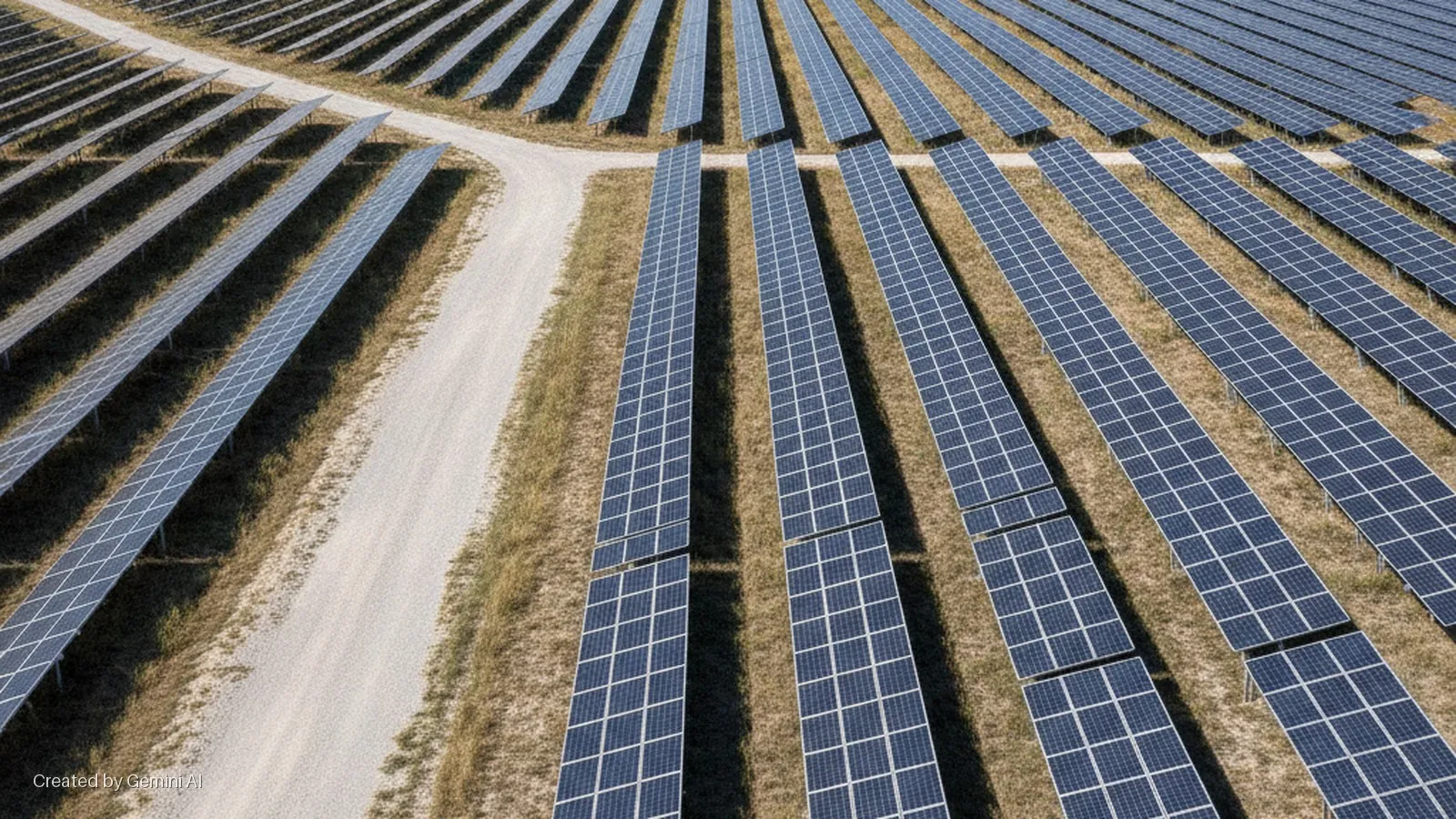
Heelstone Renewable Energy, the US utility-scale power platform owned by Madrid-headquartered Qualitas Energy, has acquired Cypress Pointe Solar, a development-stage photovoltaic project in Sabine County, Texas, with a planned installed capacity of approximately 188 MWp. The seller is Azimuth Renewables, a Midwest-based energy infrastructure developer that advanced the project through its early and mid-stage phases. Commercial operation is targeted for 2029.
The acquisition is a further step in Heelstone's effort to consolidate its position as a fully integrated independent power producer (IPP) in the United States. That integration, spanning origination, project finance, construction, and operations, is increasingly the competitive moat that distinguishes scaled platforms from single-asset developers in a market where capital-intensive build-out requires a predictable, end-to-end capability stack.
Southwest Power Pool and the offtake opportunity
Cypress Pointe Solar sits within the Southwest Power Pool (SPP), a regional transmission organisation covering parts of Texas and the central United States. The SPP market is structurally distinct from ERCOT, which governs most of the Texas grid, offering Heelstone a broader range of potential buyers. The company says potential offtake counterparties include corporate and industrial customers, hyperscalers, utilities, and public-sector renewable procurement programmes.
That hyperscaler reference is significant. Data centre operators, driven by generative AI workloads that are materially expanding compute-energy demand, have become some of the largest long-term power purchasers in the United States. A 188 MWp facility in a flexible SPP location is well-sized for a single corporate power purchase agreement (PPA) with a technology company managing its Scope 2 emissions commitments alongside rising electricity consumption. The acquisition therefore sits at the intersection of the clean-energy build-out and the AI infrastructure wave, even if neither Heelstone nor Qualitas frames it that way explicitly.
European capital, American grid
For Disrupts readers tracking cross-border capital flows into energy infrastructure, the Qualitas Energy ownership structure deserves attention. The firm has deployed over €14 billion into the energy transition since 2006 and currently manages roughly 11 GW of operational and development-stage assets across Europe, Latin America, and the United States. Its acquisition of Heelstone in 2024 was a deliberate bet on the US renewables market at a point when the Inflation Reduction Act was still actively incentivising domestic clean-power investment.
The Cypress Pointe deal follows Heelstone's financial closings in July 2026 for three separate solar PV projects totalling 86 MWp, suggesting the platform is now executing at pace. Qualitas Energy partner Alejandro Ciruelos described the transaction as strengthening Heelstone's near-term construction pipeline while enhancing "scale, diversification, and earnings potential", language that points toward a longer-term monetisation event, whether through portfolio refinancing, a partial asset sale, or a broader IPP platform listing.
The wider capital reallocation
Heelstone's pipeline expansion reflects a structural shift in how European infrastructure managers are deploying capital in the post-globalisation era. With energy security elevated as a sovereign priority across the EU and its allies, platforms with operational credibility in both the European and North American markets carry a premium. Qualitas Energy's dual geography gives it data on offtake pricing, permitting timelines, and grid interconnection dynamics across jurisdictions, an informational edge that pure-play domestic developers cannot easily replicate.
For macro-oriented investors, the relevant question is whether the accelerating corporate demand for clean power, particularly from AI-adjacent hyperscalers, is sufficient to absorb the volume of utility-scale solar now entering development pipelines. If demand keeps pace, projects like Cypress Pointe will command competitive PPA pricing. If the pipeline outstrips corporate appetite, offtake risk shifts back toward utilities and merchant exposure, compressing returns on development-stage acquisitions made at today's prices.
The 2029 commercial operation date gives Heelstone and Qualitas Energy roughly three years to resolve that question in their favour.