
CCTE and BWXT Canada close thorium fuel supply chain for reactor demo
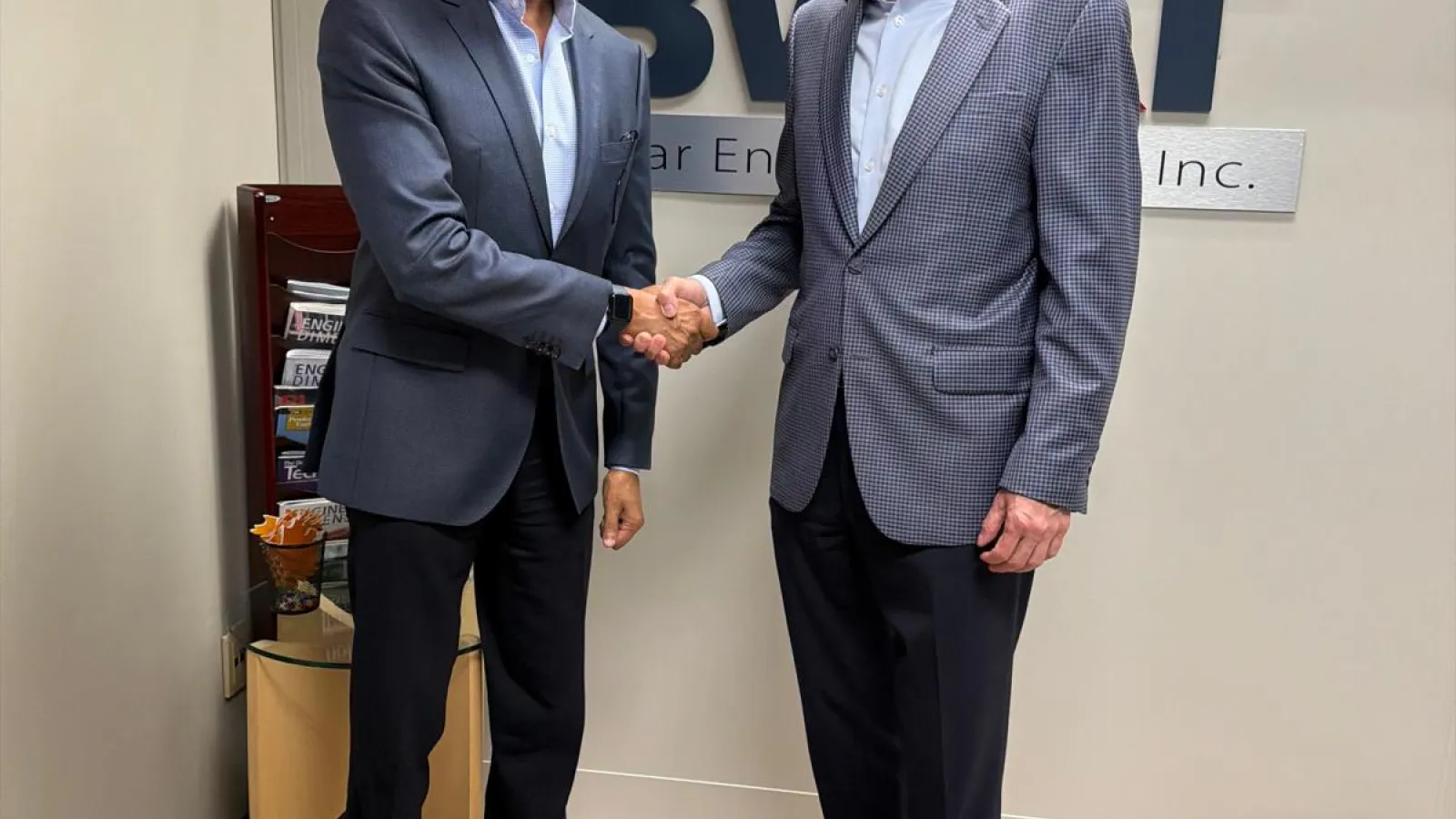
Clean Core Thorium Energy (CCTE), a Chicago-based nuclear fuel developer, has signed a supply agreement with BWXT Canada that effectively closes the final manufacturing loop needed to bring its ANEEL thorium-uranium fuel platform to an operating reactor. The deal pairs BWXT Canada's qualified fuel bundle hardware with CCTE's proprietary fuel pellet design and Canadian Nuclear Laboratories' (CNL) assembly capabilities at the Chalk River site, three complementary roles that together enable a full-scale demonstration irradiation programme for the first time.
The ANEEL fuel platform combines thorium with enriched uranium and is designed as a drop-in replacement for existing CANDU reactor fuel (technically a Pressurised Heavy Water Reactor, or PHWR, a Canadian-designed format that uses heavy water as both coolant and moderator, with roughly 50 commercial units operating globally). That compatibility is strategically significant: it sidesteps the capital-intensive path of new reactor construction and instead threads advanced fuel through an existing, licensed fleet. For each of the other reactor classes CCTE is targeting, Generation IV units and conventional pressurised light-water reactors, ANEEL offers either a lower-cost alternative or extended refuelling cycles through higher burnup, the industry measure of how much energy is extracted per unit of fuel.
Building the evidence base for regulatory qualification
CCTE has been assembling a technical dossier over the past twelve months. The company says irradiation testing of ANEEL fuel rodlets at Idaho National Laboratory's Advanced Test Reactor achieved burnups exceeding 60 gigawatt-days per metric tonne of uranium (GWd/MTU), a performance threshold that, if replicated at full-bundle scale, would place ANEEL meaningfully above conventional CANDU fuel. A companion engineering assessment was published in Nuclear Engineering and Design, the Elsevier-backed peer-reviewed journal, covering performance modelling and safety characterisation across reactor types.
The Chalk River demonstration programme is designed to convert that analytical and rodlet-scale evidence into full-bundle, in-reactor performance data, the format regulators require before any novel fuel can receive commercial qualification. BWXT Canada brings a manufacturing quality-assurance programme already accepted within the nuclear sector, which lowers the certification burden for the integrated bundles.
"Sourcing materials from BWXT Canada represents an important step forward in demonstrating the viability of ANEEL fuel in existing reactor systems," said Mehul Shah, CCTE's CEO and Founder. "Their decades of expertise in safe and reliable fuel fabrication, combined with deep experience with CANDU technology, combine to build a strong foundation for advancing our mission to deliver safer, more efficient nuclear energy solutions."
Convergence angle: advanced nuclear as a cross-sector capital magnet
The CCTE-BWXT agreement sits within a broader reappraisal of nuclear energy across capital markets and energy policy that has accelerated since 2024. Sovereign wealth funds, hyperscaler balance sheets and infrastructure private equity have all pivoted toward nuclear as the only low-carbon baseload technology capable of underwriting AI data centre power contracts at scale. In that context, next-generation fuel platforms are emerging as a distinct investable category: they offer a faster route to incremental capacity than greenfield reactor construction, with a regulatory pathway anchored to existing licensed infrastructure.
Thorium's specific appeal for cross-sector investors lies in two properties the ANEEL literature highlights: reduced long-lived spent fuel volumes per unit of energy produced, and stronger proliferation resistance compared with conventional uranium cycles. Both attributes matter beyond the energy sector. Reduced waste volumes ease the siting politics that have stalled nuclear expansion in Europe and parts of North America. Stronger proliferation resistance is increasingly relevant to defence and foreign-policy risk assessments, particularly as emerging markets in Southeast Asia and the Middle East explore nuclear procurement to underpin sovereign AI computing ambitions.
CCTE has not disclosed its current funding structure or investor syndicate. The company's next material milestone is the completion of the Chalk River demonstration irradiation and the publication of in-reactor performance data, the dataset that will determine whether ANEEL fuel can attract the utility offtake commitments needed to move toward commercial deployment across the global PHWR and Gen IV fleet.