
Leonardo DRS consolidates naval nuclear ops in new Connecticut hub
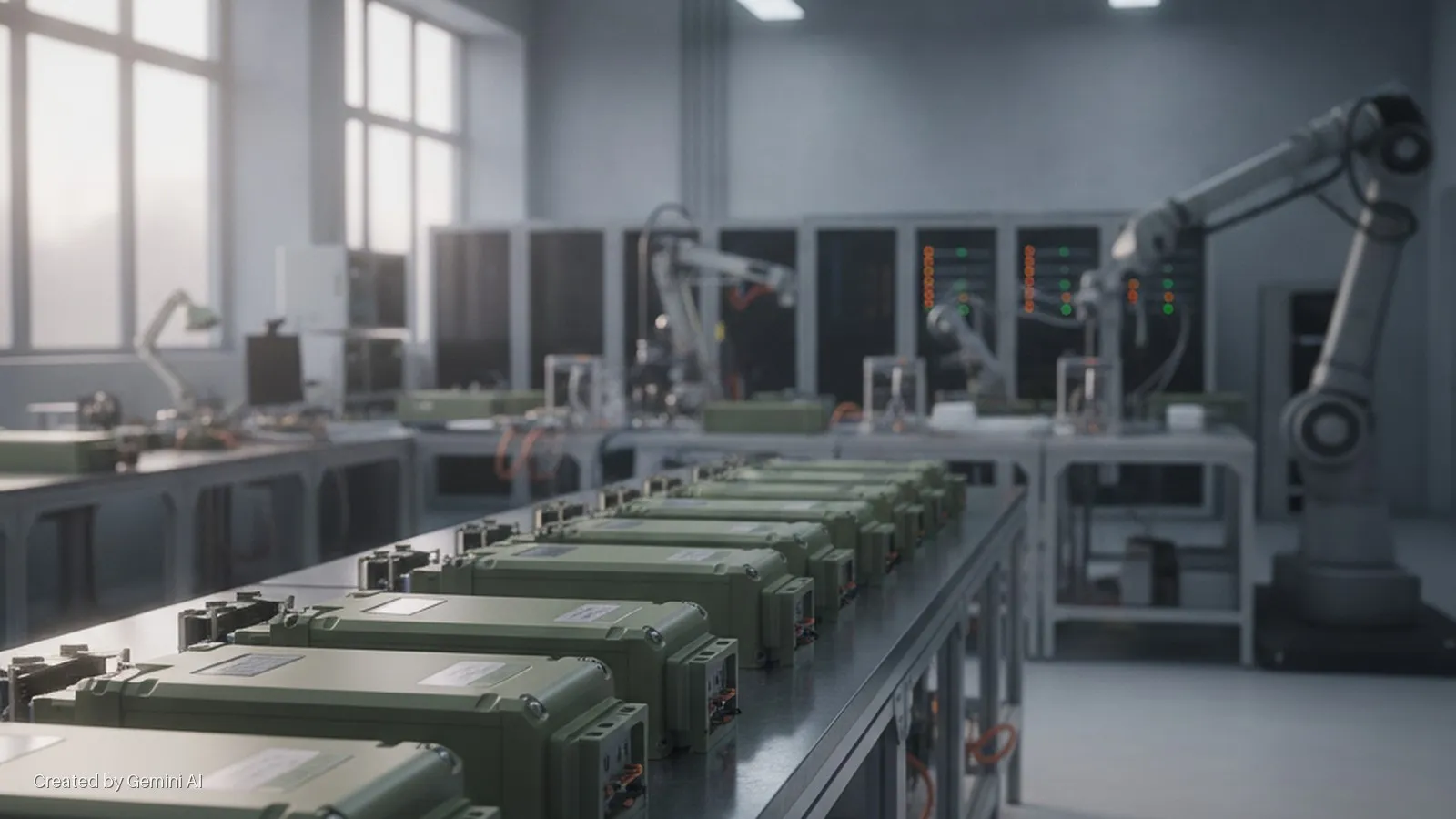
Leonardo DRS, the Nasdaq-listed defence electronics group, has signed a lease for a new 141,087 square foot facility in Brookfield, Connecticut, designed to consolidate its Naval Power Systems business under one roof and position the company for growth in both military and civilian nuclear markets.
The move brings together operations currently spread across three separate sites in Danbury and Bethel, Connecticut. Initial occupancy is targeted for early 2027, with limited move-in possible by late 2026 subject to construction timelines. The consolidation is framed by the company not merely as an efficiency play, but as a strategic repositioning to serve what executives describe as an expanding nuclear opportunity set.
Naval propulsion at the core
Leonardo DRS's Naval Power Systems unit is a supplier to the US Navy, providing electric power and propulsion technologies for nuclear-powered vessels. Those programmes carry long lead times, exacting reliability standards, and classified programme requirements, conditions that make physical infrastructure investment a meaningful signal of pipeline confidence.
Chief executive John Baylouny said the Brookfield site "creates the foundation needed to support continued growth across naval nuclear propulsion and the broader nuclear energy market," a phrasing that deliberately spans defence and commercial nuclear in the same sentence.
Jon Miller, the senior vice president overseeing the Naval Power Systems division, pointed to the facility's role in serving "emerging opportunities across the evolving nuclear sector", language that points beyond the Navy towards the advanced reactor and plant-modernisation programmes now attracting substantial private and sovereign capital.
The convergence angle: defence nuclear meets the energy transition
The timing of this infrastructure commitment is not incidental. Advanced nuclear energy, long treated as a specialist defence-procurement topic, is rapidly becoming a cross-sector capital story. Data centre operators, including hyperscalers facing acute power constraints from AI workload growth, are now signing offtake agreements with small modular reactor developers. The US Department of Energy, meanwhile, has accelerated licensing pathways for non-light-water reactor designs, compressing what was a decade-long regulatory queue.
For a company whose nuclear competency is grounded in the most demanding application of all, submarine propulsion, the commercial pivot carries genuine credibility. Defence-grade nuclear engineering sits at the hardest end of the reliability spectrum, and that reputation is increasingly bankable in a civilian market where safety assurance is the primary investor and regulatory concern.
The macro read-across is significant for capital allocators watching both the defence-industrial and energy transition spaces. US defence primes and their Tier 1 suppliers are among the few organisations with cleared, operationally proven nuclear engineering workforces. As governments compete to reshore nuclear manufacturing capacity, driven by energy security concerns following European gas market disruption and the broader post-globalisation supply-chain reconfiguration, facilities investments like this one represent a quiet but durable form of industrial policy alignment.
Leonardo DRS's parent, the Italian defence and aerospace group Leonardo, adds a transatlantic dimension. European NATO allies are similarly re-evaluating nuclear energy as a sovereign energy-security instrument, a dynamic that could expand the addressable market for naval-heritage nuclear engineering expertise well beyond the US Navy's existing programme of record.
The Brookfield commitment is, in balance, a real-estate and operational story at its base. But read against the structural backdrop of AI-driven power demand, nuclear energy's rehabilitation as a climate-compatible baseload source, and the growing convergence between defence industrial capacity and civilian energy infrastructure, it represents a bet on a larger nuclear supercycle, one being funded from several directions at once.