
Kratos powers Boeing JDAM LR with domestic J85 engines
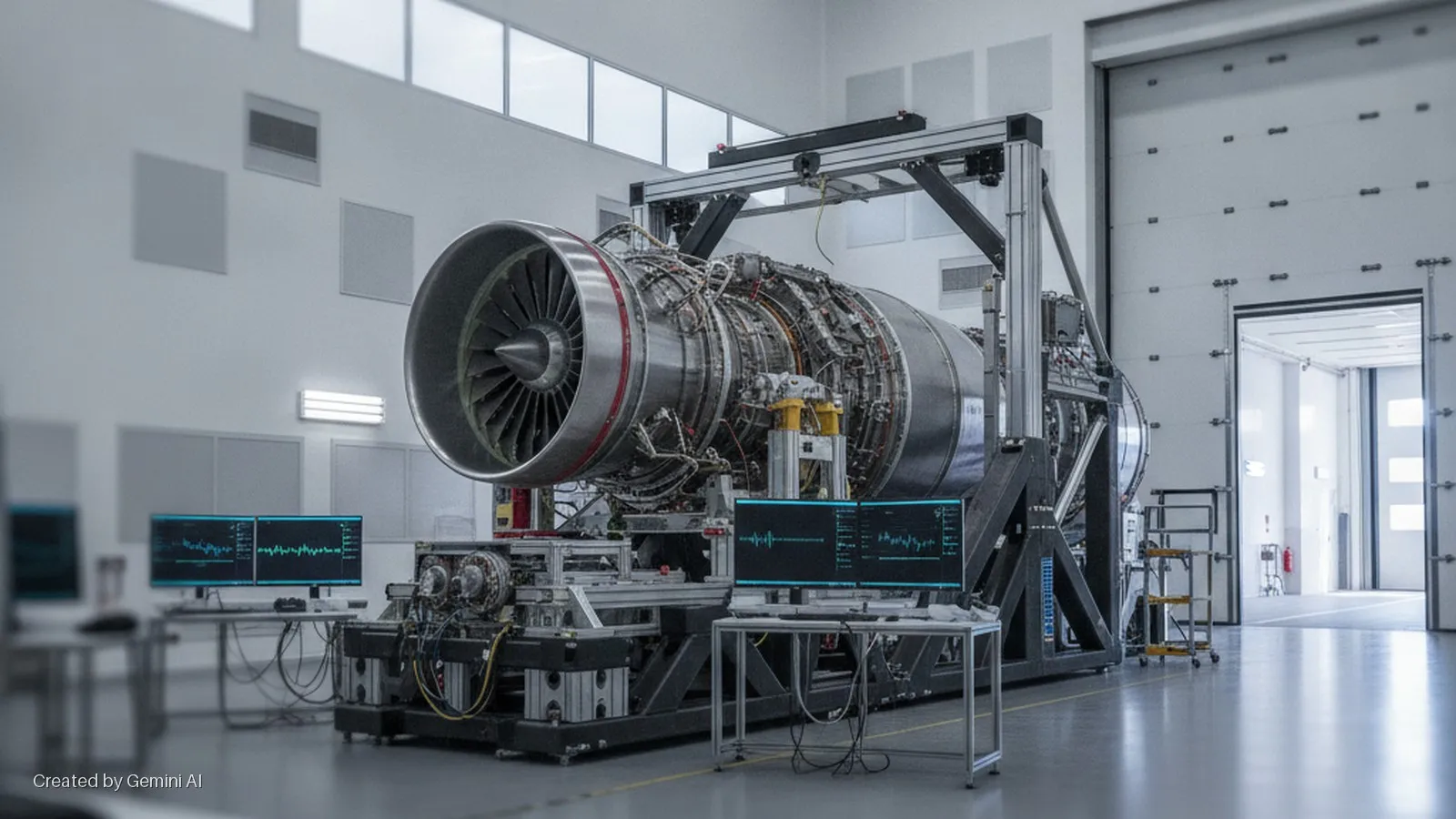
Kratos Defense & Security Solutions has confirmed its Spartan TDI-J85 turbojet engine as the propulsion source for Boeing's Joint Direct Attack Munition Long Range (JDAM LR), after the US Air Force awarded Boeing a $75 million Undefinitized Contract Action (UCA) this month to acquire the BSU-111/B Payload Delivery Unit. The munition is designed to deliver a 500-pound class payload at ranges exceeding 300 nautical miles, placing it firmly in the category of affordable precision-strike weapons now central to US air-power doctrine.
The announcement positions Kratos, a Nasdaq-listed defence technology firm headquartered in San Diego, as a critical node in America's tactical propulsion supply chain. Its J85 engines are manufactured at a 22,500-square-foot facility in Auburn Hills, Michigan, which the company describes as fully operational and optimised for high-rate production. Kratos has also initiated procurement of long-lead components to support a large production run across multiple customers and applications through 2027, with the JDAM LR described as the programme for which the engine was originally designed.
Domestic supply chains as strategic doctrine
The language used by Kratos executives is deliberately aligned with the broader US defence industrial base agenda. Steve Fendley, President of Kratos Unmanned Systems, stated: "National security priorities demand affordable mass and resilient, domestic supply chains." That framing echoes the Department of Defense's published ambition to reduce single-point dependencies in key technologies, with jet propulsion explicitly cited. For investors tracking the defence industrial base, the story is less about one munition programme and more about where propulsion capacity now sits as a strategic chokepoint.
Kratos is also executing a three-phase manufacturing infrastructure plan designed to expand production capacity beyond current commitments. This approach, combining internally funded investment in long-lead components with scalable facility planning, mirrors a model that several US defence primes have adopted as the Pentagon moves from episodic procurement towards sustained high-volume production of smaller, lower-cost munitions.
Convergence of affordability, scale and allied demand
The JDAM LR programme is one example of a wider shift in Western defence procurement: the pivot from expensive, low-volume precision weapons towards cheaper, mass-producible alternatives that can be fielded at scale by both US forces and allied partners. This shift has direct implications for the defence industrial base investment landscape. Sovereign wealth funds and institutional investors with defence allocations are increasingly scrutinising propulsion, guidance electronics, and energetics suppliers, not just the prime integrators, as the value in the munitions stack migrates towards component manufacturers with domestic production credentials.
The Kratos-Boeing relationship also underscores the growing commercial logic of engine commonality. A single turbojet platform that can power drones, loitering munitions, cruise missiles, and now a long-range glide weapon creates significant economies of scale, drives down unit cost, and reduces the certification burden across programmes. For allied governments purchasing JDAM LR or similar precision-strike weapons through Foreign Military Sales channels, a domestically manufactured, scalable US propulsion source reduces both supply-chain risk and political exposure to third-country component dependencies.
What comes next
The scale of Kratos' commitment signals confidence that JDAM LR demand will grow materially through the back half of this decade. The UCA structure of the Boeing award, which allows work to begin before contract terms are fully defined, is itself a signal of urgency on the US government's side. Investors following the broader affordable-munitions theme should watch Kratos' next quarterly filing for volume guidance tied to this programme, as well as any announcements on allied-nation orders flowing through Boeing's defence export pipeline.