
PureCycle and IPL Schoeller prove recycled plastic at commercial scale
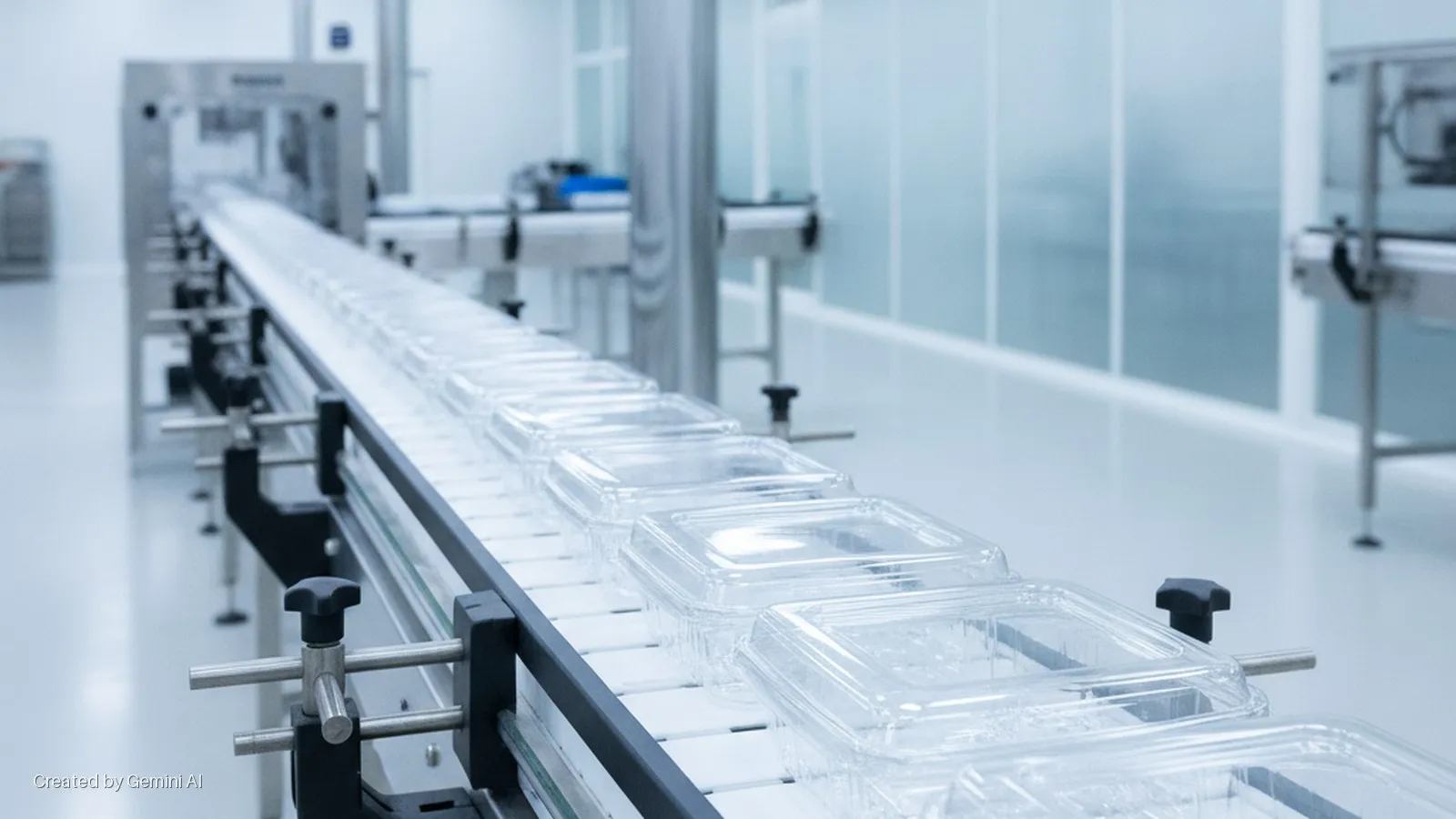
PureCycle Technologies, IPL Schoeller and Cleveland Kitchen have together brought the first food-contact grocery container made with dissolution-recycled polypropylene resin to full commercial production. The 24-ounce tub, which incorporates 25% post-consumer recycled content, will appear on US supermarket shelves from later this month. It is a modest-looking product, but it carries a significant signal: that a chemistry-intensive recycling technology, long stuck at pilot scale, can now meet the food-safety bar that mainstream consumer packaging demands.
PureCycle's PureFive resin is produced through a dissolution process licensed from Procter & Gamble, which strips colours, odours and chemical additives from recovered polypropylene (number 5 plastic) to yield a near-virgin-quality output. The resin holds GreenCircle certification for recycled content and has cleared FDA requirements for food contact. The New Jersey Department of Environmental Protection has recently granted it conditional approval as qualifying recycled content under the state's Recycled Content Law, which currently mandates 10% PCR in rigid plastic containers and rises to 20% in 2027, when an exemption for food-contact packaging expires.
Regulatory pressure as commercial catalyst
The regulatory tailwind behind this launch is more significant than a single product release might imply. New Jersey's framework is one node in a rapidly expanding patchwork of US state-level extended producer responsibility legislation. California has parallel recycled-content rules, and a growing number of states are moving in the same direction. For brand owners that sell nationally, complying with the strictest state standard effectively sets the floor for the entire product line, creating a de facto national mandate from what are technically regional laws.
Retailers are compounding this pressure independently of lawmakers. Major grocery chains have begun conditioning shelf placement and contract renewals on demonstrated progress towards sustainable packaging targets. For a mid-sized brand such as Cleveland Kitchen, pre-empting these requirements is not merely good optics. "We're proud to be ahead of the regulatory curve and even prouder that it didn't require any compromise on product quality," said Luke Visnic, Cleveland Kitchen's Chief Product Officer. That last clause matters: historically, incorporating recycled content into food-contact rigid plastics has forced trade-offs on clarity, odour neutrality or structural performance. The claim that dissolution recycling removes those compromises is, for now, the company's to make, though the commercial launch will provide its first real-world stress test at scale.
The convergence angle: materials science meets regulatory arbitrage
From a cross-sector strategic perspective, this development sits at the intersection of advanced materials processing and regulatory-driven supply-chain restructuring. PureCycle is, in effect, a deep-tech materials company whose commercial viability is being accelerated not primarily by consumer demand but by legislative compulsion. That is a different investment thesis from conventional recycling businesses, and it is attracting attention accordingly: PureCycle (Nasdaq: PCT) has expansion facilities planned in Antwerp, Thailand and Augusta, Georgia, targeting one billion pounds of installed polypropylene recycling capacity by 2030.
IPL Schoeller, itself the product of a July 2025 merger between IPL Global and Schoeller Allibert, brings 26 manufacturing sites across North America, the UK and Europe to the partnership. The combined entity represents one of the larger rigid-packaging footprints in the Western world, meaning that if PureFive resin scales across even a fraction of their portfolio, the volume implications for the recycled-polypropylene supply chain are substantial. The two companies say they intend to expand use of the resin into further product lines.
For investors watching the sustainability-meets-regulation convergence play, the Cleveland Kitchen launch resolves a key technical question: whether dissolution-recycled resin can clear food-contact compliance at commercial volumes. It does not yet resolve the economic question of whether it can do so at competitive cost without subsidy. Tariff exposure on materials and energy, feedstock sourcing costs, and the still-uncertain pace of EPR enforcement across US states all remain live variables. But the commercial proof-of-concept is now on a supermarket shelf, which is a different kind of milestone from a press release about a pilot run.