
Dragonfly Energy wins US patent for solid-state battery process
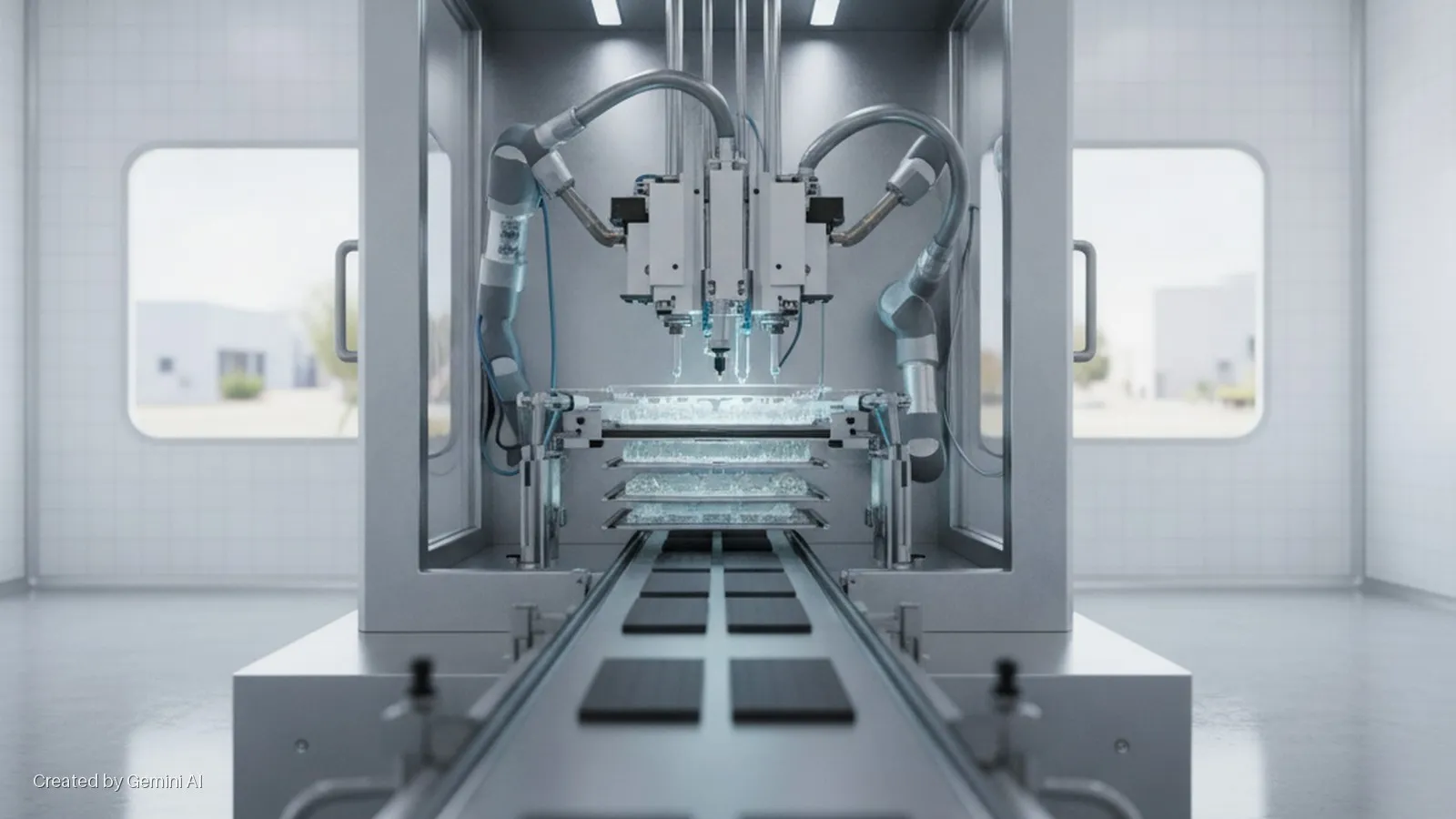
Dragonfly Energy Holdings (Nasdaq: DFLI), the Nevada-based lithium battery maker behind the Battle Born Batteries brand, has received a notice of allowance from the US Patent and Trademark Office covering its "Powderised Solid-State Electrolyte and Electroactive Materials" application. The patent strengthens the company's domestic intellectual property position in advanced battery cell manufacturing and follows a string of recent international allowances tied to its dry electrode and solid-state development programme.
The core claim centres on powder-based processing methods the company says can simplify production and support scalability for all-solid-state battery cells, a chemistry class that replaces the flammable liquid electrolytes found in conventional lithium-ion packs with a solid medium. That shift matters well beyond consumer electronics: nonflammable cells are a prerequisite for a range of high-stakes deployment contexts, from grid-scale stationary storage to next-generation electric vehicles and aerospace platforms.
IP as a commercialisation moat
"This US patent allowance milestone is an important step in protecting the materials and processes we believe are central to the future of solid-state battery manufacturing," said Dr Denis Phares, Chief Executive Officer of Dragonfly Energy. The company frames its dry electrode process as chemistry-agnostic, capable of working across different cell chemistries rather than being locked to a single formulation, a positioning that widens the addressable market but also complicates like-for-like comparisons with peers.
Dragonfly sits in a crowded field. Solid-state battery development is attracting capital from across the industrial spectrum: Toyota has disclosed billions in planned investment in the technology, QuantumScape (backed by Volkswagen) is advancing thin-film approaches, and Solid Power has partnerships with BMW and Ford. The competitive dynamic means that patent portfolios are becoming a primary differentiator before any player reaches meaningful commercial volume. A broad IP position can determine licensing leverage, partnership terms, and ultimately which manufacturing process standards the industry coalesces around.
Convergence angle: energy storage as infrastructure
The broader significance for cross-sector strategists is that solid-state battery commercialisation is no longer purely an energy or automotive story. Grid operators and sovereign infrastructure funds are watching cell-chemistry advances closely because stationary storage capacity increasingly determines how much intermittent renewable generation can be absorbed without fossil-fuel backup. In parallel, defence procurement offices in the US and allied nations are evaluating nonflammable battery formats for unmanned systems and forward-deployed platforms where thermal runaway is an unacceptable risk.
Capital flows reflect this convergence. Sovereign wealth vehicles and strategic corporate investors have been moving into battery technology at the materials and manufacturing layer, not just at the pack or system integration level, precisely because IP ownership at the cell-chemistry stage creates durable moats as electrification scales across multiple end markets. Dragonfly's positioning as a domestic US manufacturer also aligns with ongoing friend-shoring imperatives: the CHIPS Act era has demonstrated that Western governments are willing to pay a premium for supply-chain sovereignty, and battery cell manufacturing is increasingly viewed through the same lens as semiconductor fabrication, a strategic industrial capability that cannot be wholly offshored.
For Dragonfly specifically, the patent allowance is a milestone rather than a commercial proof point. The company has not disclosed production volumes or revenue tied to its solid-state programme, and the path from materials patent to gigawatt-hour-scale manufacturing involves substantial capital expenditure and process engineering that the release does not address. Investors and partners will be watching for the next signal: a pilot production announcement, a development agreement with an OEM, or a capacity financing round that would indicate the IP is translating into deployable product.