
Telesat wins C$2.3bn Arctic military satcom deal for Lightspeed LEO
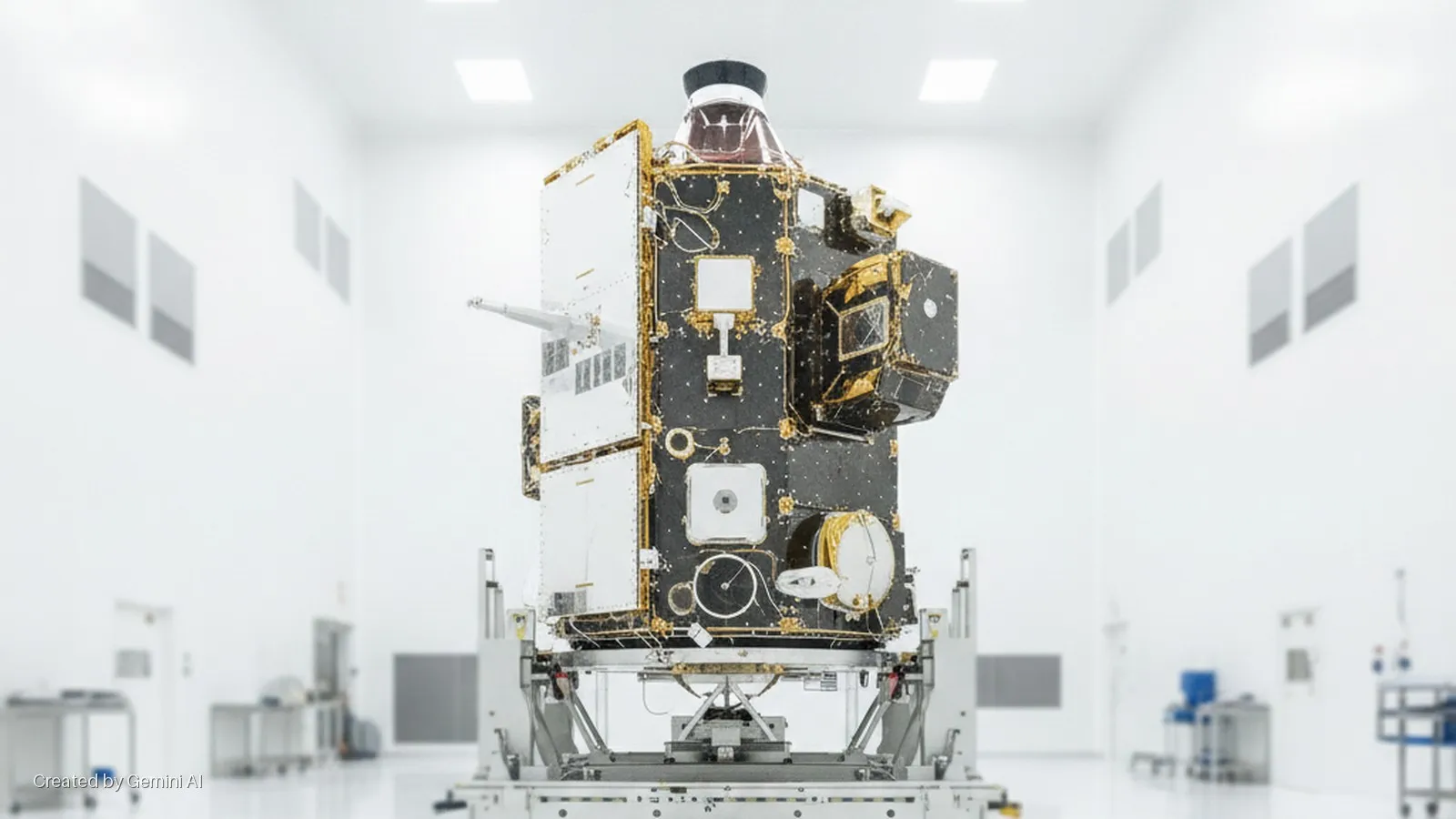
Telesat, the Ottawa-based satellite operator listed on both the Nasdaq and TSX, has secured a C$2.3 billion services contract with Canada's Defence Investment Agency to deliver secure military-grade Ka-band connectivity across the Arctic for the Canadian Armed Forces. The deal, the largest in the company's history, adds 69 fully funded satellites to its Lightspeed Low Earth Orbit constellation, expanding it from 156 to 225 spacecraft. With two five-year option periods, the total potential contract value reaches C$2.7 billion, and service is scheduled to begin in 2028.
The contract sits at the intersection of several macro forces that Disrupts readers will recognise: sovereign governments treating LEO broadband as critical defence infrastructure; Arctic geopolitics intensifying competition for connectivity in high latitudes; and the emergent industrial logic of building dual-use constellations that serve commercial and military customers from the same architecture. All 69 additional satellites will be manufactured by MDA Space at its Montreal facility and launched by SpaceX on already-contracted Falcon 9 rockets, stitching together a Canadian sovereign-industrial supply chain from orbit to ground.
Sovereignty in orbit
The programme, formally the Enhanced Satellite Communications Project – Polar (ESCP-P), is explicitly framed around Canadian digital sovereignty. Coverage spans 65 to 90 degrees North latitude, a band of high strategic sensitivity as Arctic sea routes become commercially navigable and peer-competitor states expand their polar presence. Dan Goldberg, Telesat's President and CEO, said the contract "ensures the Canadian Armed Forces will have access to secure, resilient and sovereign connectivity years earlier than originally planned, at a great value for money, and with a scalable architecture designed to meet future global operational requirements and support interoperability with Canada's allies and partners."
That interoperability language is significant. Telesat positions Lightspeed's military Ka-band capability as meeting not only Canadian requirements but also broader NATO member needs, which signals that the network is being built to a coalition standard from the outset. This mirrors a pattern emerging across Western allied procurement: rather than buying proprietary national systems, governments are funding commercial LEO operators to embed military-grade capacity into constellations that can be shared across alliance boundaries.
Capital geometry and second-order effects
The financial architecture of the deal rewards attention. Milestone-based payments from the Canadian government begin in Q3 2026, effectively providing progress financing for a constellation build that Telesat values at approximately C$7 billion in total, with C$2.7 billion invested to date. For a company that has faced questions about capital access in a rate-sensitive environment, a sovereign customer providing structured drawdowns meaningfully de-risks the construction schedule and strengthens its case to commercial lenders and investors watching the Nasdaq and TSX listings.
The broader capital landscape for defence-oriented LEO is accelerating. The Telesat contract follows a period in which governments across NATO have moved from treating commercial satellite operators as supplementary capacity to treating them as primary strategic assets. This shift has direct read-across for investors allocating across the space and defence sectors: programmes that once required a prime defence contractor as gatekeeper are now being structured around commercially developed constellations, compressing the traditional procurement cycle and opening the asset class to a wider range of equity and sovereign-debt structures.
For the space economy more broadly, the Telesat deal reinforces the dual-use constellation model pioneered at scale by Starlink's military services contracts. It also raises a competitive question for European LEO ambitions: if Canada, a mid-sized NATO member, can fund 69 incremental satellites through a single sovereign services contract, the economic logic for a pan-European equivalent becomes harder to resist. The pressure on incumbents in geostationary orbit, already structurally challenged by LEO latency advantages, intensifies further as government anchor contracts migrate decisively to low-altitude networks.