
Tacta Systems opens Singapore haptic lab to give robots human touch
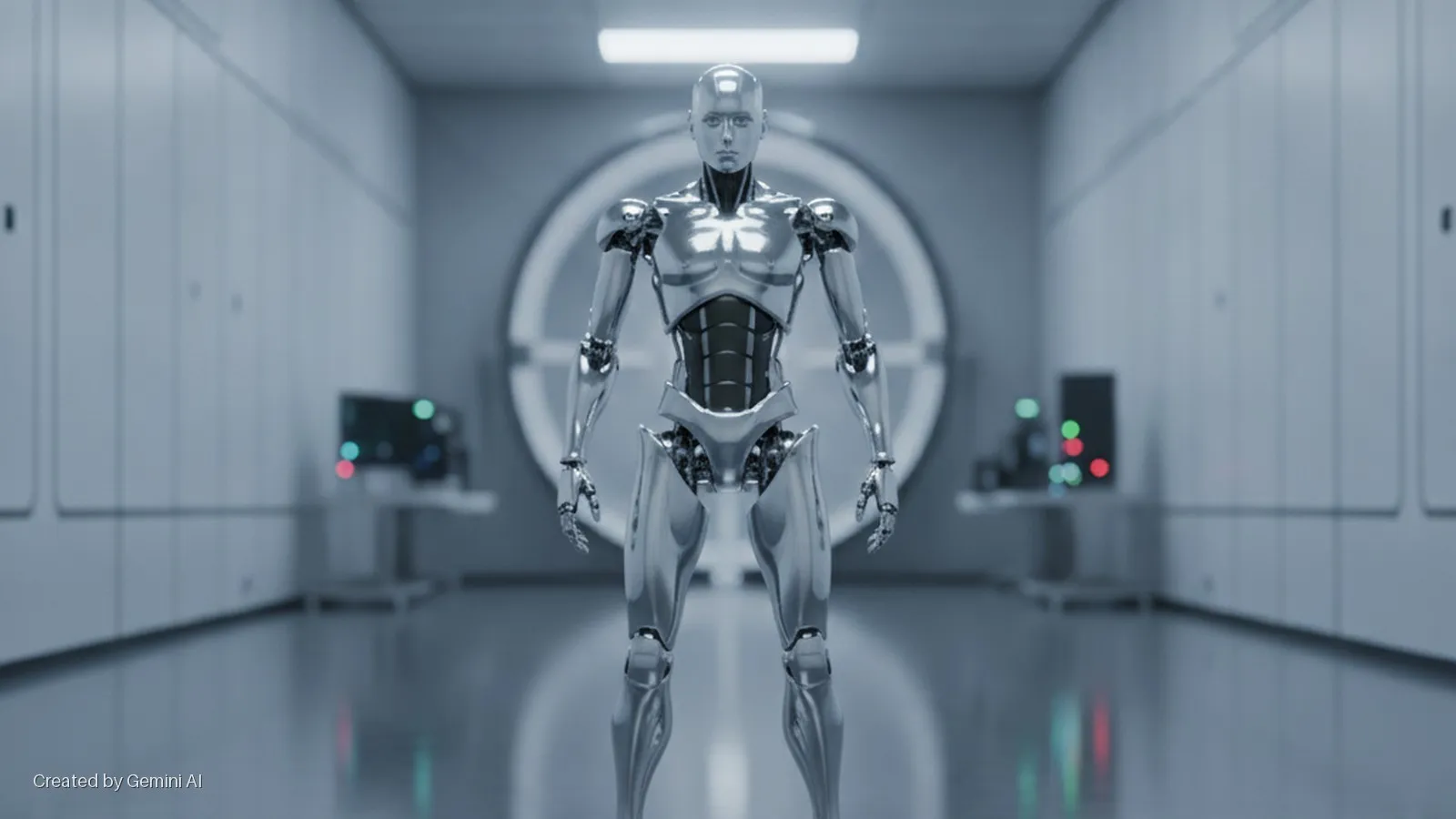
Tacta Systems has opened a facility in Singapore's Woodlands district to address what the company describes as robotics' most persistent gap: the sense of touch. Using a sensor-packed glove that captures hand movement, applied force, and friction-generated heat, the startup is recording the tacit physical knowledge that skilled workers accumulate over years and encoding it into training data for robotic hands fitted with the same sensor arrays.
The distinction from existing robotic learning methods is significant. Vision-based training, which dominates the field, cannot convey the nuanced pressure a technician applies when seating a cable connector or the micro-adjustments a line worker makes when handling brittle components. Tacta's bet is that haptic data closes that gap, unlocking robotic deployment in precision electronics assembly and automotive manufacturing where human dexterity has, until now, remained irreplaceable.
Singapore as a Convergence Test Bed
The choice of Singapore is strategically deliberate. The city-state has positioned itself as a regional hub for advanced manufacturing and robotics research, with the Economic Development Board actively courting deep-tech firms targeting Southeast Asia's sprawling electronics supply chains. For Tacta, proximity to the regional manufacturing base, from semiconductor packaging facilities in Johor to electronics contract manufacturers across the ASEAN corridor, provides both a talent pool and an immediate commercial addressable market.
The broader robotics investment landscape provides context. Global funding into robotics and embodied AI accelerated sharply through 2025 and into 2026, driven in part by labour-cost pressures and demographic headwinds across East Asia. Sovereign and institutional capital in the region has followed: Japan's SoftBank, South Korea's national pension fund, and Singapore's own Temasek have all signalled or expanded robotics exposure in recent cycles. A haptic-data approach, if it delivers on the dexterity promise, would represent a differentiated wedge in a field crowded with vision-first players.
The Convergence Read-Across
The Tacta model sits at the intersection of three converging forces that Disrupts readers will recognise from adjacent sectors. First, the transfer-of-expertise problem: the same dynamic driving demand for AI-assisted knowledge capture in healthcare and legal services applies equally to factory floors where skilled trades are ageing out. Second, the data-moat question: proprietary haptic datasets, recorded from human experts performing specific industrial tasks, could prove as defensible as annotated medical imaging libraries in biotech AI, creating a durable competitive advantage that is difficult to replicate from public sources. Third, manufacturing sovereignty: as ASEAN governments push to retain higher-value production onshore rather than cede it to increasingly automated Chinese facilities, technologies that accelerate the capability ramp of local robotic workforces carry geopolitical as well as commercial weight.
The near-term commercial case rests on whether Tacta can demonstrate transfer accuracy at production scale. Electronics assembly tolerances are measured in fractions of a millimetre; a haptic model that performs well in a controlled lab environment must prove equally reliable on a high-throughput line before tier-one contract manufacturers will commit. That validation step, rather than the underlying sensor technology, is the critical milestone to watch.
If Tacta succeeds, the implications extend beyond robotics. A proven framework for encoding physical human expertise into machine-readable training data could feed directly into the next generation of surgical robotics, prosthetics, and remote-operation systems for hazardous environments, sectors where touch sensitivity has similarly constrained autonomous capability. Capital allocators tracking the embodied-AI space should note that the value creation, if it materialises, is likely to accumulate at the data layer rather than the hardware layer, a pattern now familiar from the generative-AI cycle in software.