
Checkout.com adds Jaywan to UAE acquiring platform
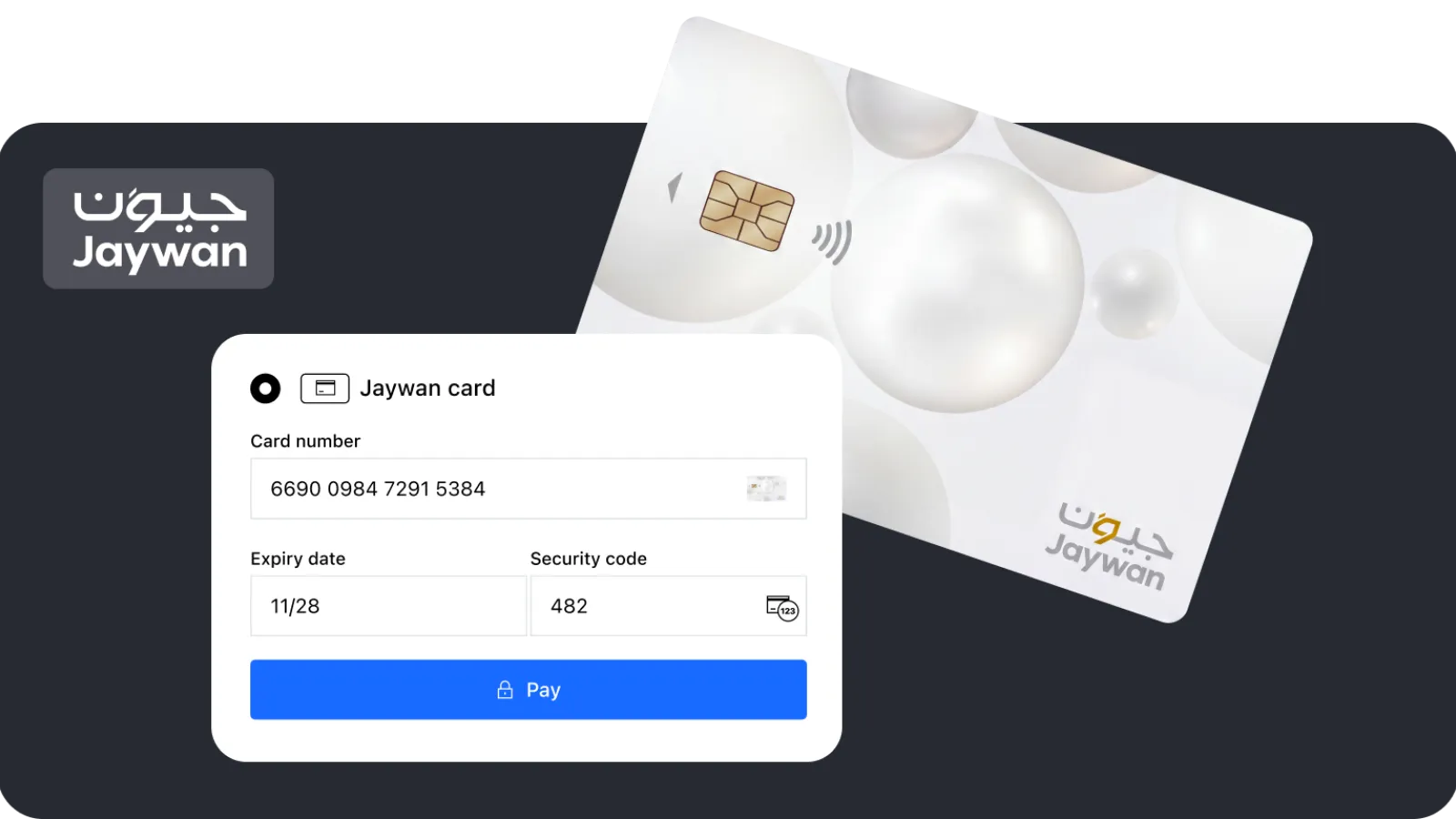
Checkout.com has embedded Jaywan, the UAE's domestically issued card scheme, directly into its acquiring platform, enabling merchants operating in the country to accept Jaywan cards through a single local connection. The integration, announced on 28 September 2026, sits at the intersection of payments infrastructure, digital sovereignty, and the UAE's accelerating push to reduce reliance on international card networks.
Jaywan was developed by Al Etihad Payments, a subsidiary of the Central Bank of the UAE, with an explicit mandate to build a sovereign national payments stack. Its design mirrors moves made by India (RuPay), Turkey (Troy), and Saudi Arabia (mada) to internalise card-scheme economics and routing flows that have historically been dominated by Visa and Mastercard. By integrating Jaywan into its platform, Checkout.com positions itself as the conduit through which global merchants can access that sovereign layer without rebuilding their own technical connections.
Sovereign rails meet global commerce
The operational mechanics are notable. Checkout.com says it will automatically recognise and route Jaywan transactions behind the scenes, meaning merchants receive a consistent checkout experience while compliance with Al Etihad Payments' regulatory requirements is handled at the platform level. For fast-growing UAE businesses, this removes a meaningful operational burden: instead of managing a separate integration for domestic card acceptance alongside existing international acquiring, everything runs through one connection.
The announcement also signals a broader dynamic in Gulf payments infrastructure. Checkout.com became the first global payments provider to obtain a Payment Service Provider licence from the UAE Central Bank in 2023 and has since received in-principle approval for a Stored Value Facility (SVF) licence. That combination, acquiring plus stored value, is significant: it positions the company to offer a unified issuing-and-acquiring platform in a single jurisdiction, a model that would let it compete more directly with regional bank-led payments stacks rather than acting purely as a gateway.
Healthcare as first adopter
The release names myAster, the digital health platform operated by Aster DM Healthcare and serving more than five million registered users, as one of the first UAE merchants to enable Jaywan payments through the Checkout.com integration. myAster partnered with Checkout.com in December 2025 to build a cross-border payments layer for its digital healthcare services. Nala Karunanidhi, Aster's Chief Executive for Digital Health and Omnichannel Services, described the move as bringing payment infrastructure into alignment with the pace of digital health adoption.
The healthcare example is not incidental. Digital health platforms in the Gulf process a growing share of out-of-pocket consumer spending and are under pressure from regulators and payers to demonstrate data localisation and payment sovereignty alongside clinical data compliance. A nationally routed card scheme sitting inside a single acquiring platform reduces the compliance surface for operators navigating both health-sector and financial-sector regulation simultaneously.
Capital and competitive read-across
For investors tracking Gulf fintech and payments infrastructure, the Jaywan integration is a proxy for a larger regional bet. The UAE, Saudi Arabia, and Bahrain have each been building or mandating domestic payment rails in parallel with sovereign wealth deployments into payments technology. Checkout.com's client roster in the region, which includes SHEIN, Talabat, Tamara, and Careem, gives it meaningful transaction volume through which to demonstrate the Jaywan routing proposition to a wider merchant base.
The competitive question is whether a deepened local regulatory footprint, UAE Central Bank licensing, a pending SVF approval, and now Jaywan integration, is sufficient to defend Checkout.com's position in the Gulf as regional players such as Tamara (buy-now-pay-later) and telco-linked wallet providers expand their own acquiring capabilities. Andrea Cianchetti, Chief Product Officer at Al Etihad Payments, noted that broad acceptance infrastructure is what converts a card scheme from a regulatory construct into a daily transactional reality. That argument will resonate with any cross-sector strategist watching how sovereign payments architecture reshapes merchant economics across e-commerce, healthcare, and logistics in one of the world's most capital-dense consumer corridors.