
Newland NPT hits 15m Brazil terminals as Android reshapes LatAm payments
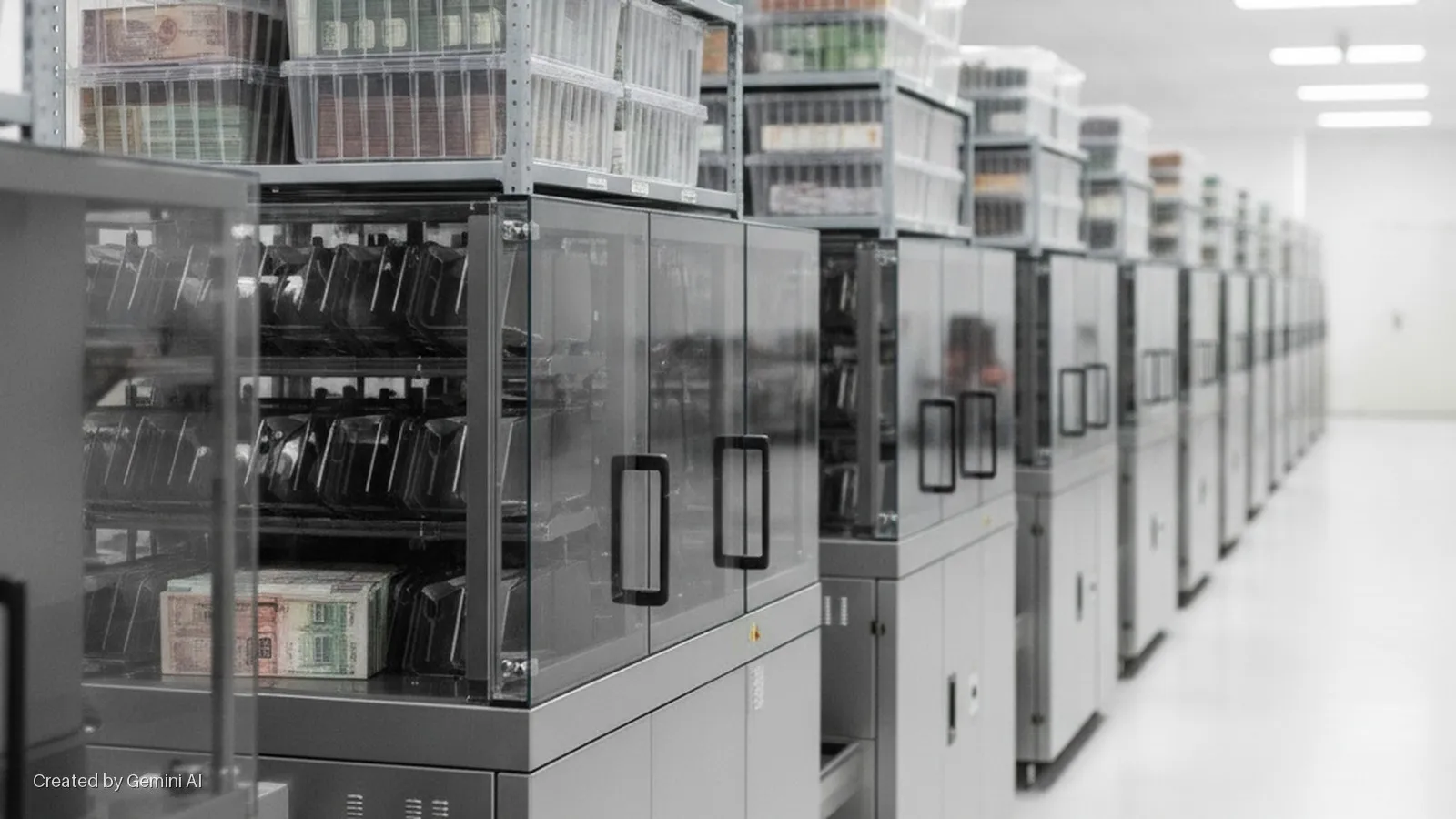
Newland Payment Technology (NPT) has passed 15 million payment terminal deployments in Brazil since entering the market in 2018, and is now using that foothold to accelerate an acquirer-led expansion across Latin America. The milestone, announced on 17 November 2026, reflects a strategy built on local manufacturing, embedded R&D partnerships and a platform shift from conventional payment terminals to Android devices capable of running broader merchant software.
The scale is notable for a market that remains operationally demanding. Newland NPT manufactures through partner facilities in Amazonas and São Paulo, a dual-site model it says provides supply resilience if either location faces disruption. Local teams handle component sourcing and order fulfilment, while a dedicated repair and after-sales operation supports large terminal estates throughout their working life.
Android as a platform, not just a device
The more strategically significant element of Newland NPT's Brazil story is the transition from fixed-function payment terminals to Android-based devices. The shift mirrors a broader global pattern in which payment hardware increasingly serves as a platform for merchant services, rather than a single-purpose point-of-sale tool.
In Brazil, that means acquirers can layer business applications on top of payments: merchants are able to issue tax receipts, manage inventory and process transactions from a single handheld device. The company's terminals also support Pix, Brazil's widely adopted instant payment system, alongside conventional card acceptance. For acquirers, the practical effect is a stickier merchant relationship and a commercial rationale to offer vertically integrated services, moving payment infrastructure closer to the operational software layer.
Gilson Carvalho, General Manager for Latin America at Newland Payment Technology, said: "Android gives us more scope to do that. Acquirers can build their own services around the device, and we can work with them to develop new uses for it."
LatAm as the next frontier for payments-as-platform
The convergence story here sits at the intersection of payments infrastructure, merchant software and the ongoing digitisation of commerce in emerging markets. Latin America's payments landscape has historically been fragmented, with acquirer relationships central to distribution. Newland NPT's model, R&D co-development with acquirers, local manufacturing, and long-cycle support, is designed to entrench those relationships as the hardware becomes a software delivery channel.
This pattern has wider implications for how payment infrastructure investment flows across the region. Globally, the shift to Android-based terminals has attracted capital from both established payments incumbents and enterprise-software players seeking to capture merchant services revenue beyond the transaction itself. In Latin America specifically, the rapid adoption of instant payment rails such as Pix in Brazil and similar systems emerging elsewhere in the region creates an infrastructure layer on which acquirers and their hardware partners can build differentiated services. For cross-sector investors watching the convergence of fintech infrastructure and merchant SaaS, the LatAm market is increasingly a testbed for what that bundling looks like at scale.
Newland NPT's next stage centres on deepening acquirer partnerships across Latin America beyond Brazil. The company has not disclosed specific country targets or volume projections for the wider regional rollout, but the acquirer-led model it has refined over eight years in Brazil provides a replicable framework. The outstanding question is whether local manufacturing capacity, currently concentrated in Brazil, will need to extend to other markets as the company scales, and how that interacts with regional trade and content requirements that vary considerably across Latin American jurisdictions.