
LACROIX lifts 2026 targets as IoT infrastructure drives margin surge
LACROIX, the French family-owned industrial group specialising in embedded electronics and connected infrastructure, has reported first-half 2026 revenue of €235.2m, up 3.2% year on year, and raised its full-year targets after a confluence of defence-sector recovery and European water-network digitalisation drove its EBITDA margin to a record 10.1%. The result represents a striking illustration of how legacy industrial manufacturers are being reshaped by converging demand signals from government infrastructure programmes and the resurgent Aerospace and Defence sector.
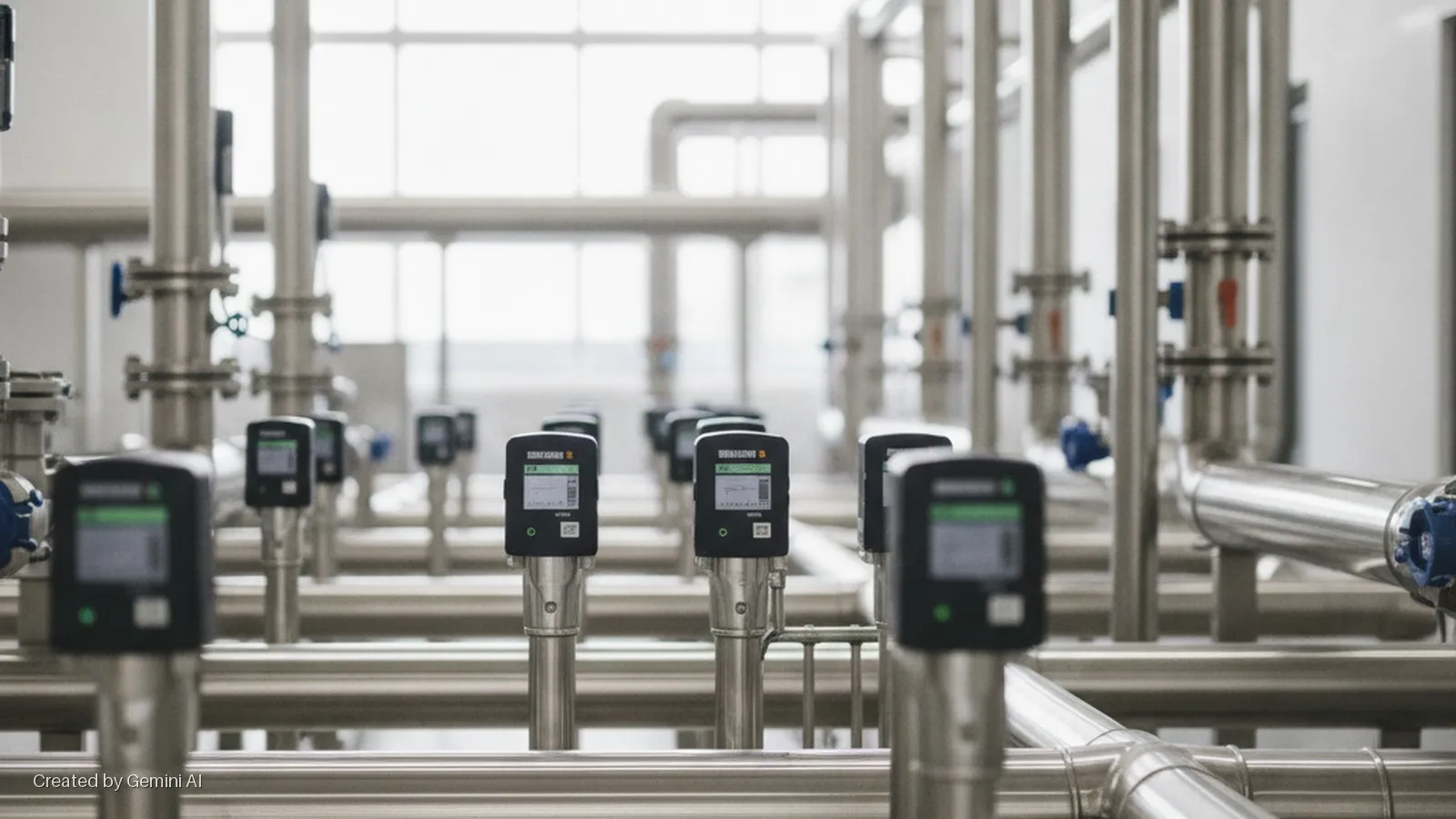
The headline margin improvement, up from 7.5% in the first half of 2025, was propelled primarily by the group's Environment division, which covers connected solutions for water networks, smart grids, HVAC and public lighting. That unit posted revenue of €79.1m, up 12.8%, with an EBITDA margin reaching a "non-normative" 28.7%. Two distinct policy-driven surges drove the spike: a rush by Spanish municipalities to commit infrastructure digitalisation funding ahead of a 30 June 2026 deadline under the PERTE programme, and a wave of equipment replacement in France tied to the planned shutdown of 2G and 3G mobile networks. Neither factor is expected to repeat at the same intensity in the second half, which management has been candid about in its guidance.
Defence recovery underpins electronics rebound
The group's larger Electronics division, generating €156.1m in revenue, posted a slight top-line decline of 1.1% but meaningfully improved its profitability, with EBITDA rising from €1.4m to €2.3m on a margin of 1.5%. The improvement was driven by a "return to strong momentum" in the Aerospace and Defence segment, which offset ongoing softness in automotive and industrial end markets. For cross-sector investors watching European defence spend translate into industrial supply-chain revenues, LACROIX's Electronics unit offers a visible proxy: it manufactures embedded electronics for defence platforms, and its margin trajectory now moves in line with the broader European rearmament cycle.
Free cash flow from continuing operations reached €19.1m, nearly double the €10.1m recorded in the equivalent period of 2025, reflecting tighter working capital management alongside the earnings uplift. Net debt fell 28.6% year on year to €72m, bringing the gearing ratio down to 77% from 88%, a trajectory the group says supports its commitment to a net debt/EBITDA ratio below 2.0x by end-2026.
Convergence of policy capital and infrastructure digitalisation
The LACROIX result sits within a broader European pattern worth tracking. Sovereign and municipal capital is flowing into critical infrastructure at an accelerating pace, driven by the EU's digitalisation mandates, the energy transition and, increasingly, climate-resilience imperatives around water networks. Companies positioned at the intersection of embedded electronics and networked infrastructure, particularly those with exposure to both defence and utilities, are capturing a structural rather than merely cyclical uplift.
LACROIX's 2027 roadmap targets revenue of between €475m and €500m with an EBITDA margin above 8%, numbers the group now approaches from a position of balance-sheet strength it did not have twelve months ago. The strategic pivot away from automotive and North American electronics (the North American subsidiary was disposed of, generating residual impairment charges of €7.9m in the period) and towards Aerospace and Defence, home and building automation systems, and digitalised environment solutions reflects a deliberate repositioning into sectors where European policy is writing the demand curve.
For macro investors, the LACROIX half-year offers a granular view of how mid-cap industrial groups across France and the broader EU are converting infrastructure policy into margin expansion. The risk to the second half is explicitly flagged by management: component sourcing tensions, particularly relevant to the Electronics activity, remain a live constraint. As geopolitical pressures continue to fragment global supply chains for electronic components, the companies best insulated will be those, like LACROIX, that have already reduced their exposure to the most contested end markets.