
Leonardo DRS wins South Korea KDDX destroyer electric drive deal
Leonardo DRS, the Arlington-based defence-technology group listed on Nasdaq, has secured a contract with South Korean industrial conglomerate Doosan Enerbility to supply the electric propulsion system for the Republic of Korea Navy's KDDX next-generation guided-missile destroyer programme. The lead ship is being constructed by Hanwha Ocean, and the class is expected to run to at least six vessels. The contract marks a material step-change in South Korean naval capability: KDDX will be the first fully electric-drive surface combatant in the ROK fleet, and the country's first indigenously designed and built destroyer programme.
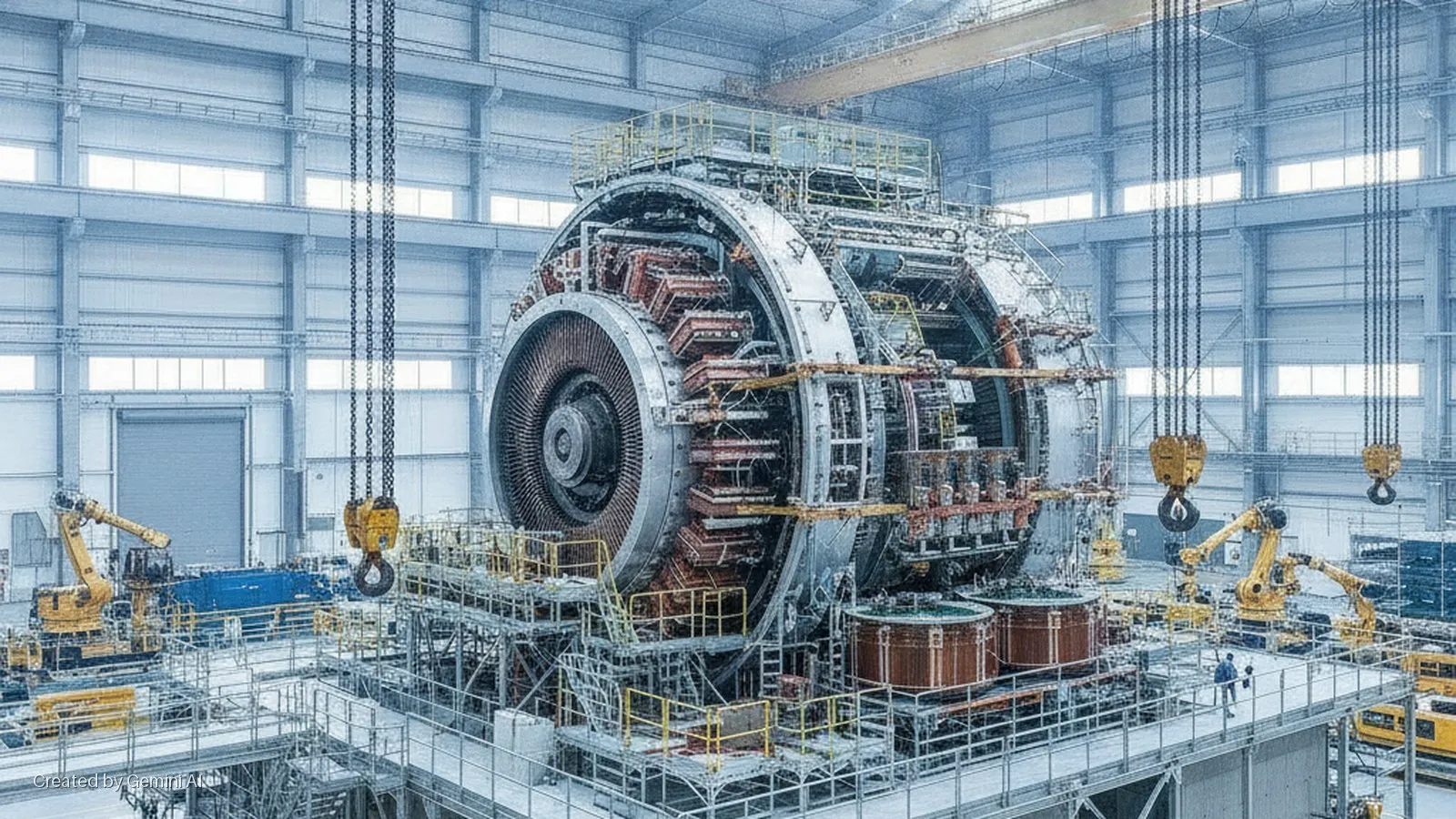
The scope of supply covers Leonardo DRS's 100-Series permanent magnet propulsion motors paired with compact variable-frequency drives, delivering the full integrated power and propulsion chain from prime movers to propellers. The company says the architecture offers high torque density in a reduced footprint, cutting engine-room weight compared with conventional electric machines and freeing internal volume for other ship systems. The technology is already qualified to military shock and vibration standards and has been delivering at scale: DRS supplied hybrid electric drive to 20 anti-submarine warfare frigates across the ROK Navy's FFX Batch II, III and IV programmes, and the same motor platform underpins the US Navy's Columbia-class submarine programme.
Electric drive as a weapons-systems multiplier
The strategic logic of full electric drive extends well beyond fuel efficiency. As Leonardo DRS chief executive John Baylouny noted in the announcement: "Our advanced electric-propulsion technologies are designed to deliver the power capacity, efficiency, reliability and adaptability required for advanced radars, advanced EW systems, directed energy systems, the charging of unmanned vehicles, the launch of drone swarms and other increasingly power-intensive mission capabilities." The framing is significant: electric propulsion is no longer primarily a platform efficiency story. It is the enabling infrastructure for a new generation of power-hungry weapons and sensor payloads, from high-energy laser systems to large-scale uncrewed vehicle operations at sea.
This positions electric drive as a force-multiplier layer sitting beneath the visible hardware of modern naval combat. Navies that lock in electric-drive architectures now are, in effect, future-proofing their hulls for directed-energy and autonomous-systems payloads that are still maturing but will demand vastly more shipboard electrical capacity than diesel-mechanical equivalents can offer.
Indo-Pacific industrial alignment and the defence-supply convergence
The KDDX contract sits within a broader realignment of allied defence-industrial supply chains across the Indo-Pacific. South Korea has emerged as one of the region's most assertive naval shipbuilders, with Hanwha Ocean and HD Hyundai Heavy Industries competing for both domestic and export programmes. The decision to source the propulsion core from a US firm reflects both interoperability priorities within the US-ROK alliance and the commercial maturity of Leonardo DRS's technology relative to domestic alternatives.
For investors tracking defence-technology exposure, the deal illustrates a structural trend: as navies from NATO members to Indo-Pacific allies upgrade surface fleets, the addressable market for integrated electric power and propulsion systems is expanding across multiple procurement cycles simultaneously. Leonardo DRS draws revenue from US Navy programmes and a growing roster of allied customers, creating a degree of portfolio diversification that pure-play domestic contractors cannot match. The KDDX award, layered on top of the FFX frigate track record, also signals that once a propulsion supplier is embedded in a navy's operational culture, incumbent advantage compounds across successive hull classes.
The wider capital implication is that defence-industrial convergence in the Indo-Pacific is increasingly a technology story as much as a geopolitical one. Suppliers capable of delivering certified, interoperable electric-drive systems at scale occupy a narrow field, and the barriers to entry are high. As directed-energy weapons and autonomous naval platforms move from experimental to programme-of-record status across the US and allied fleets, the electric-power infrastructure underpinning them will attract intensified procurement attention and, in time, investor scrutiny of the handful of qualified vendors operating in this space.