
Hub71 launches record 40-startup cohort as Abu Dhabi bets on convergence
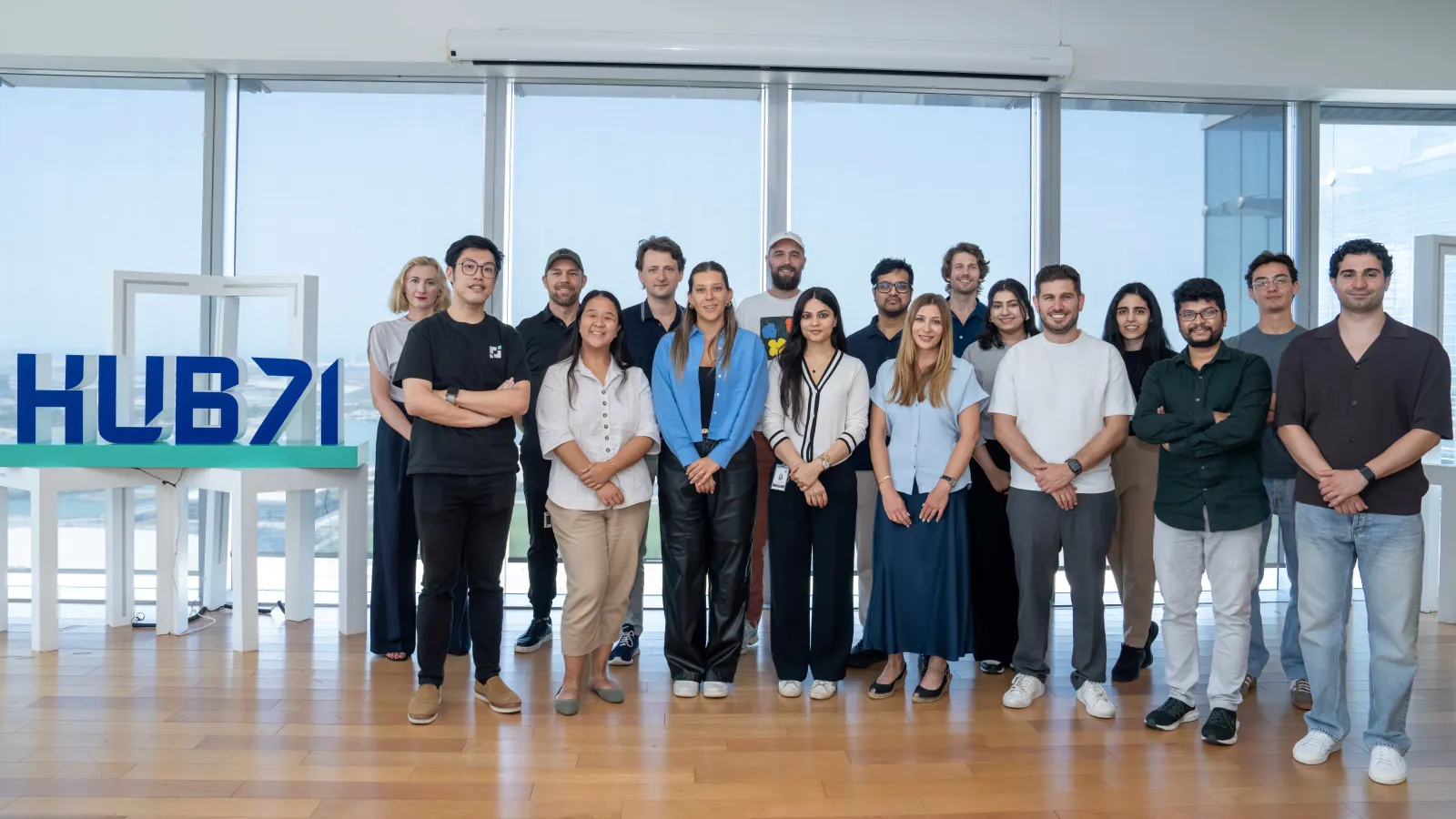
Hub71, Abu Dhabi's state-backed technology accelerator, has admitted 40 startups into its 19th cohort, its largest to date, following a record 2,502 applications from 117 countries. The selected companies collectively arrive with USD 296 million in prior funding, a 29% increase on Cohort 18, and span sectors ranging from cancer therapeutics and cultivated meat to autonomous delivery networks and digital-asset infrastructure. The breadth of that portfolio is not accidental: it maps almost exactly onto Abu Dhabi's sovereign economic diversification priorities, and the cohort composition is a useful barometer of where Gulf capital and regulatory bandwidth are pointing.
With an acceptance rate of just 1.6%, Hub71 is increasingly functioning less like a regional incubator and more like a selective global gateway. Some 88% of admitted founders join from international markets, and 85% were sourced through proactive partner referrals rather than cold applications, a sign that the programme's network effects are compounding. Six startups enter at Series A stage, up from two in the previous cohort, indicating that later-stage capital is beginning to treat the Abu Dhabi ecosystem as a credible proving ground rather than a frontier outpost.
Convergence by design
What makes Cohort 19 structurally significant for cross-sector observers is not the headline number but the deliberate architecture beneath it. Hub71 has organised its specialist tracks, Hub71+ Life Sciences, Hub71+ ClimateTech, Hub71+ Digital Assets, and a new pathway into Abu Dhabi's Smart and Autonomous Vehicles Industry (SAVI) cluster, to mirror the convergence bets the emirate is placing at the sovereign level.
The Life Sciences track saw the sharpest application growth, with submissions nearly doubling from Cohort 18. Among the seven selected companies, SernaBio uses RNA data combined with generative AI to design small-molecule therapies, while Avesta 76 Therapeutics is pursuing a protein-targeting cancer treatment with USD 40 million secured, of which USD 35 million is non-dilutive, a funding structure that carries implications for how biotech and sovereign health bodies in the GCC are co-investing in translational research without pure equity exposure.
The ClimateTech intake features Roslin Technologies, the UK firm developing animal stem cell lines for cultivated meat, and Project Vesta, which is pursuing ocean-based carbon removal via crushed olivine. Both represent bets on biological or geochemical infrastructure that sits well outside the photovoltaic and battery-storage investments that have dominated Gulf sustainability conversations to date.
The Digital Assets track, which includes Amantrue, a Switzerland-based verification network for AI agents and human users alike, signals something more subtle: Abu Dhabi is positioning itself as a jurisdiction where the regulatory perimeter around digital assets, AI identity, and financial compliance converges. That is a governance play as much as a technology one, and it is being watched closely by Singapore and London, both of which are competing for the same category of founder.
The SAVI signal and the capital read-across
The debut SAVI pathway, which attracted more than 100 applications and admitted three startups including autonomous-delivery platform Autolane, is the most strategically legible move in Cohort 19. Abu Dhabi is building physical infrastructure, roads, regulatory sandboxes, logistics corridors, to absorb autonomous vehicle and robotics companies that are struggling to find testing environments in the US and Europe amid tightening liability frameworks. For venture investors tracking the autonomous-mobility space, this represents an alternative regulatory geography that could materially affect which companies reach commercial deployment first.
Ahmad Ali Alwan, Hub71's CEO, noted that founders joining Cohort 19 are "building across increasingly specialised sectors," adding access to the capital, partners and market opportunities needed to "build enduring companies." The framing is deliberately long-horizon: Hub71's ecosystem now comprises 644 startups, and the programme's ambition is to produce companies that operate globally, not merely those that serve the Gulf.
For macro investors watching sovereign-wealth-backed tech ecosystems, the Cohort 19 data points, rising pre-money valuations at entry, later-stage admissions, near-doubling life-sciences demand, suggest that Abu Dhabi is past the experimental phase of tech-ecosystem building and into a consolidation that will increasingly compete with established hubs for the most mobile, capital-efficient founders.