
CSG launches US jet-engine plant for drones via Firecrest JV
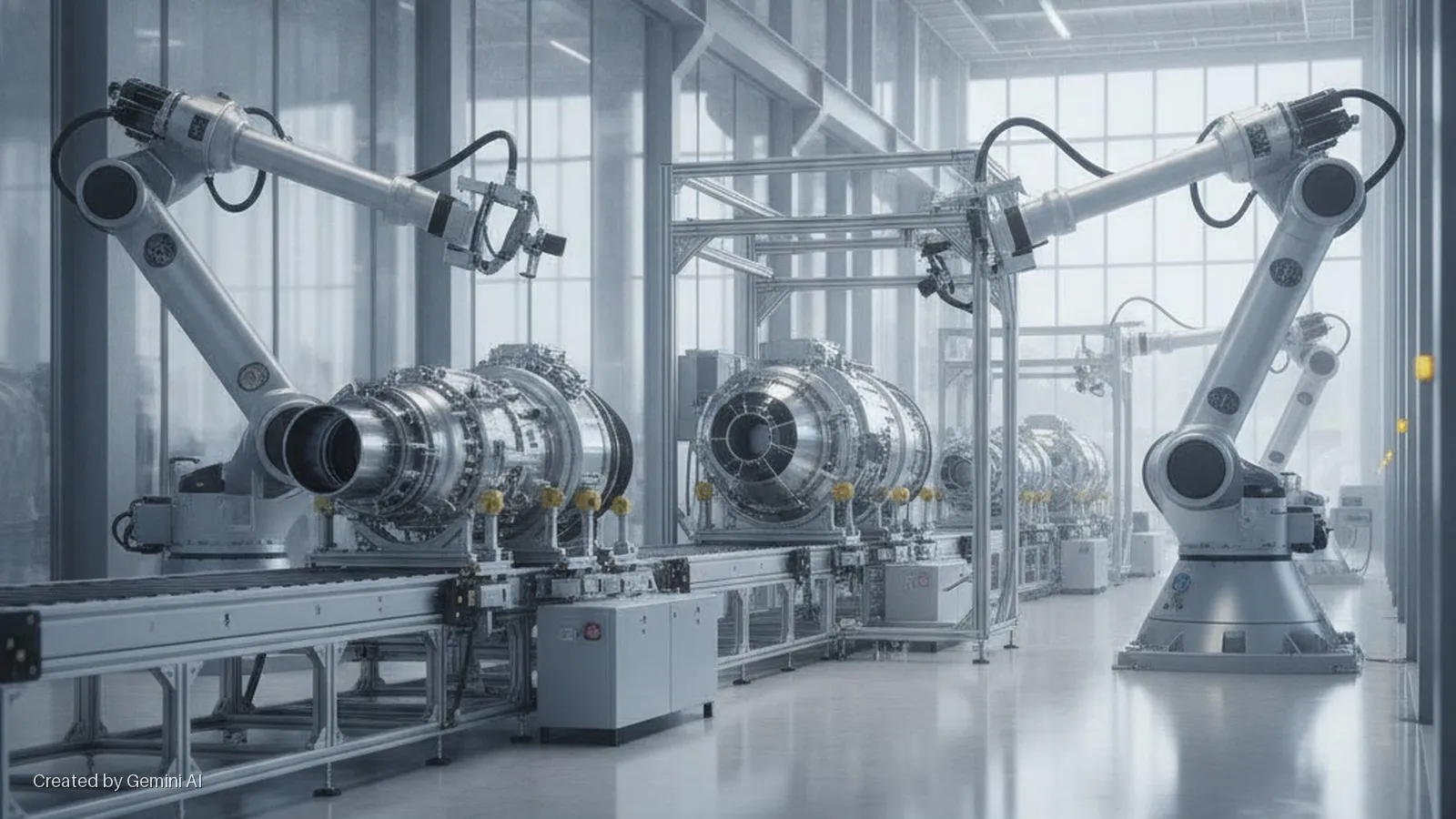
CSG, the Czech-headquartered industrial and technology group, is establishing serial production of jet engines for unmanned aircraft systems (UAS) in Stevens Point, Wisconsin, through a newly formed joint venture called Firecrest Aerospace. The $15m initial investment combines the US operational reach of CSE USA with the propulsion technology developed by CSG's AviaNera Technologies subsidiary, and it signals a deliberate shift: from boutique aerospace manufacturing to automotive-scale industrial output for the defence market.
The move is notable not just as a factory announcement. It represents a calculated bet that the next competitive frontier in defence procurement is not the drone airframe itself, but the propulsion subsystem that determines its range, payload and unit economics. AviaNera, established by CSG in 2025, is building turbojet and turbofan engines for UAS platforms, loitering munitions, guided missiles and target drones, the category of hardware that the war in Ukraine placed at the centre of modern military doctrine.
From artisan aerospace to industrial serial production
The manufacturing philosophy underpinning Firecrest Aerospace is explicitly borrowed from automotive production: high automation, digital process management, automated inspection, and standardised assembly lines designed to scale from hundreds of propulsion units to several thousand engines per year. "We are building production from the outset as a scalable industrial system, not as traditional low-volume aerospace engine manufacturing," said Pavel Čechal, CEO of AviaNera Technologies. That framing is significant: it implies that the addressable market for UAS propulsion is now large enough to justify capital-intensive mass-production infrastructure, not just bespoke engineering contracts.
Initial assembly at Stevens Point Municipal Airport is expected to begin within months, with full-scale production targeted for 2027. Phase one covers assembly, integration and testing for US customers; phase two expands into serial production and in-house product development. The airport location gives direct access to flight-validation infrastructure, compressing the development cycle for new engine variants.
A five-continent supply chain and the geopolitics of propulsion
The Wisconsin plant is one node in an emerging global network. AviaNera's R&D hub sits in Belgrade, via its majority-held subsidiary MUST Solutions; manufacturing and process engineering are being developed in the Czech Republic; further production sites are being planned for India and the United Arab Emirates. The strategic logic is proximity to demand: by producing close to customers in markets where allied governments are expanding UAS programmes, CSG aims to sidestep the supply-chain fragility that has hampered European defence primes during the post-2022 rearmament cycle.
The US element carries additional geopolitical weight. Washington's push to reshore critical defence manufacturing, amplified by NATO burden-sharing pressure and ongoing debates over export-control architecture, creates a receptive policy environment for allied defence suppliers establishing American production capacity. A Wisconsin-based facility supplying US and allied customers with UAS propulsion units positions Firecrest Aerospace squarely within that friend-shoring dynamic, potentially opening pathways to US Department of Defense procurement that would otherwise be closed to a purely European supplier.
For cross-sector investors, the story is as much about capital allocation as it is about hardware. The UAS propulsion segment sits at the intersection of defence procurement expansion, the industrialisation of autonomous systems, and a broader sovereign-manufacturing trend that is attracting both government grants and private capital across NATO member states. CSG's model, combining central technology development with distributed local manufacturing, mirrors the playbook being adopted by larger defence primes and several venture-backed defence-tech challengers. As competition in the UAS market intensifies and unit volumes grow, the companies that control reliable, cost-efficient propulsion supply chains may prove more strategically durable than those competing on airframe design alone.