
NXP UWB chip powers BMW digital key and in-cabin safety
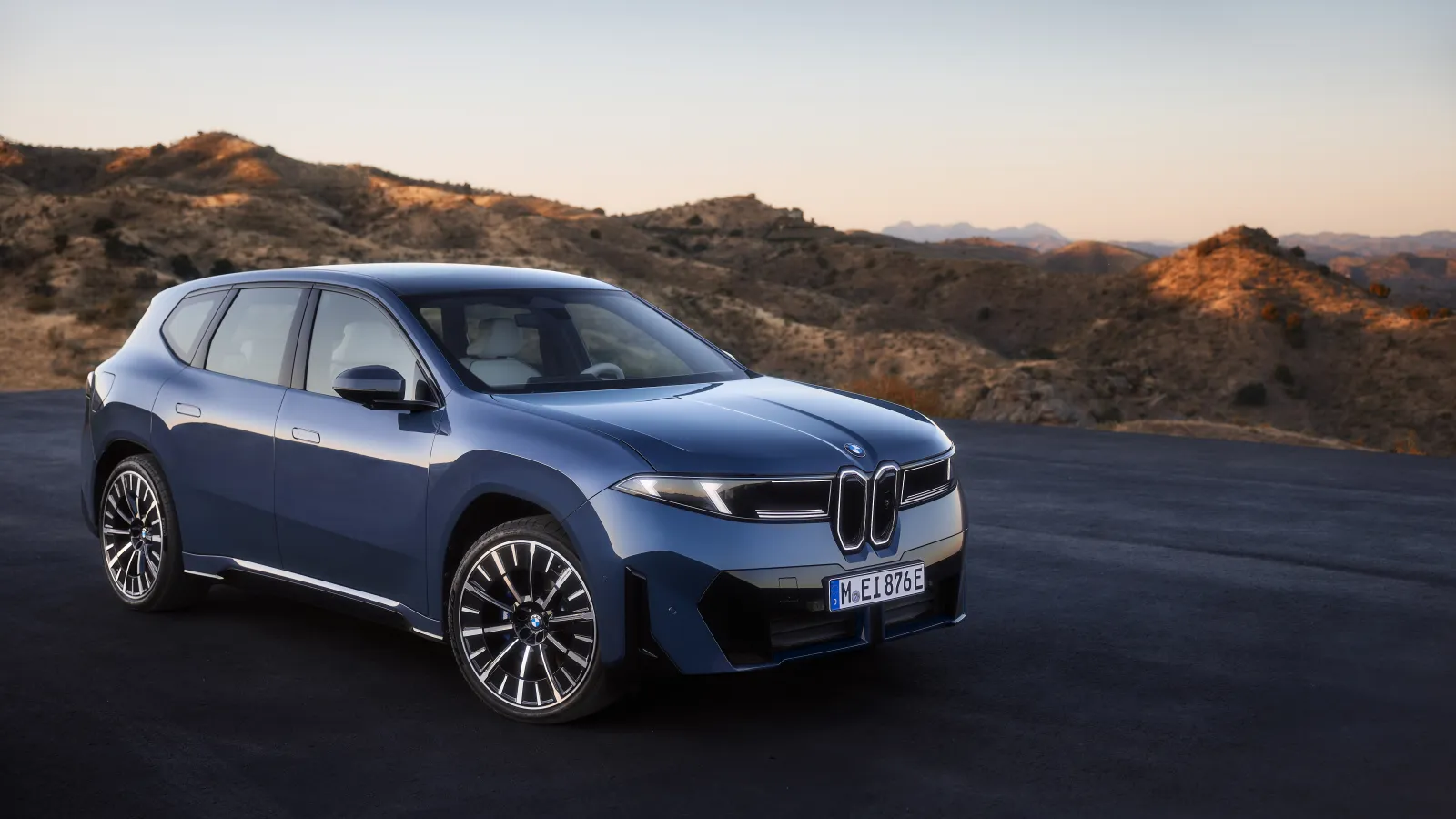
NXP Semiconductors has confirmed that its Trimension NCJ29D6 ultra-wideband (UWB) chip family will be embedded across BMW Group vehicles, beginning with selected 2026 model-year programmes. The deployment marks one of the most high-profile automotive roll-outs of UWB technology to date, combining secure access and in-cabin radar functions on a single monolithic chip, a configuration NXP says is an industry first for automotive-grade UWB.
The move illustrates how the connected-car stack is maturing from a feature-by-feature approach into platform-level architecture. Rather than deploying separate systems for keyless entry, occupant sensing and future add-ons, BMW is standardising on one NXP hardware base that can serve all of them. That platform logic reduces OEM integration cost and, critically, creates a hardware lock-in dynamic that chip suppliers are increasingly racing to establish across the automotive sector.
Digital key as the consumer entry point
BMW's Digital Key Plus, running on the Trimension platform, allows drivers to lock, unlock and personalise their vehicle using a smartphone or smartwatch, with no physical fob required. The system uses UWB's precise distance-ranging capability, accurate to centimetre level, to authenticate the user's proximity and trigger hands-free entry. On approach, the car can activate personalised lighting sequences and welcome routines, features that sit squarely in the premium differentiation battleground where BMW, Mercedes-Benz and Stellantis brands compete.
Markus Staeblein, NXP's senior vice president for secure car access, said the platform is designed to grow: "Digital key and presence detection are just the beginning. OEMs will be able to deliver additional UWB-based features, such as kick sensing, intrusion alert or automatic charging, as they establish the secure hardware platform in their vehicles."
Regulatory pressure as the safety catalyst
Equally significant is the presence-detection application. The Trimension NCJ29D6 uses short-range radar to identify subtle motion patterns inside a parked cabin, flagging to vehicle users when a person or animal may have been left behind. The release notes that the technology is positioned to address "potentially emerging regulatory requirements" and forthcoming Euro NCAP and China NCAP safety protocols targeting child-in-vehicle fatalities.
That regulatory vector matters for investors and OEM procurement teams. NCAP ratings are a primary marketing lever for European and Chinese vehicle sales; any technology that moves the needle on a safety protocol score commands a structural pull-through in OEM supply chains, regardless of consumer-facing demand. NXP's ability to bundle access convenience and safety compliance into one chip system is therefore a meaningful commercial argument, not merely a technical one.
Convergence read-across: IoT, semiconductors and the vehicle-as-platform
The NXP-BMW deployment is a visible node in a broader convergence between automotive electronics and the wider IoT connectivity stack. UWB was already established in consumer devices, Apple's AirTag, Samsung's SmartThings network and select Android flagship phones all use it, and automotive is now the sector bringing UWB to scale volumes and safety-grade certification standards. That cross-pollination runs both ways: automotive-grade UWB hardening raises the bar for industrial IoT and logistics-tracking applications, where asset location accuracy and secure ranging are equally prized.
For capital allocators surveying the automotive semiconductor landscape, the story sits within a multi-year re-rating of embedded security and sensing silicon. The automotive chip market is expanding well beyond powertrain electrification into connectivity, over-the-air update infrastructure and passive safety sensing. NXP, with 2025 revenues of $12.27 billion, competes in this space against Broadcom, STMicroelectronics and Qualcomm, all of which are pursuing OEM platform deals with comparable bundled-feature logic. The winner in each OEM's design cycle tends to hold that position for a vehicle generation, typically five to seven years, giving these design wins an outsized long-term revenue profile relative to their announcement size.
The BMW deployment signals that the platform race in automotive UWB is moving from prototype to production. The next data point to watch is whether rival OEMs accelerate their own UWB design-win announcements in response.