
Fengate maps $12bn in capital across four converging sectors
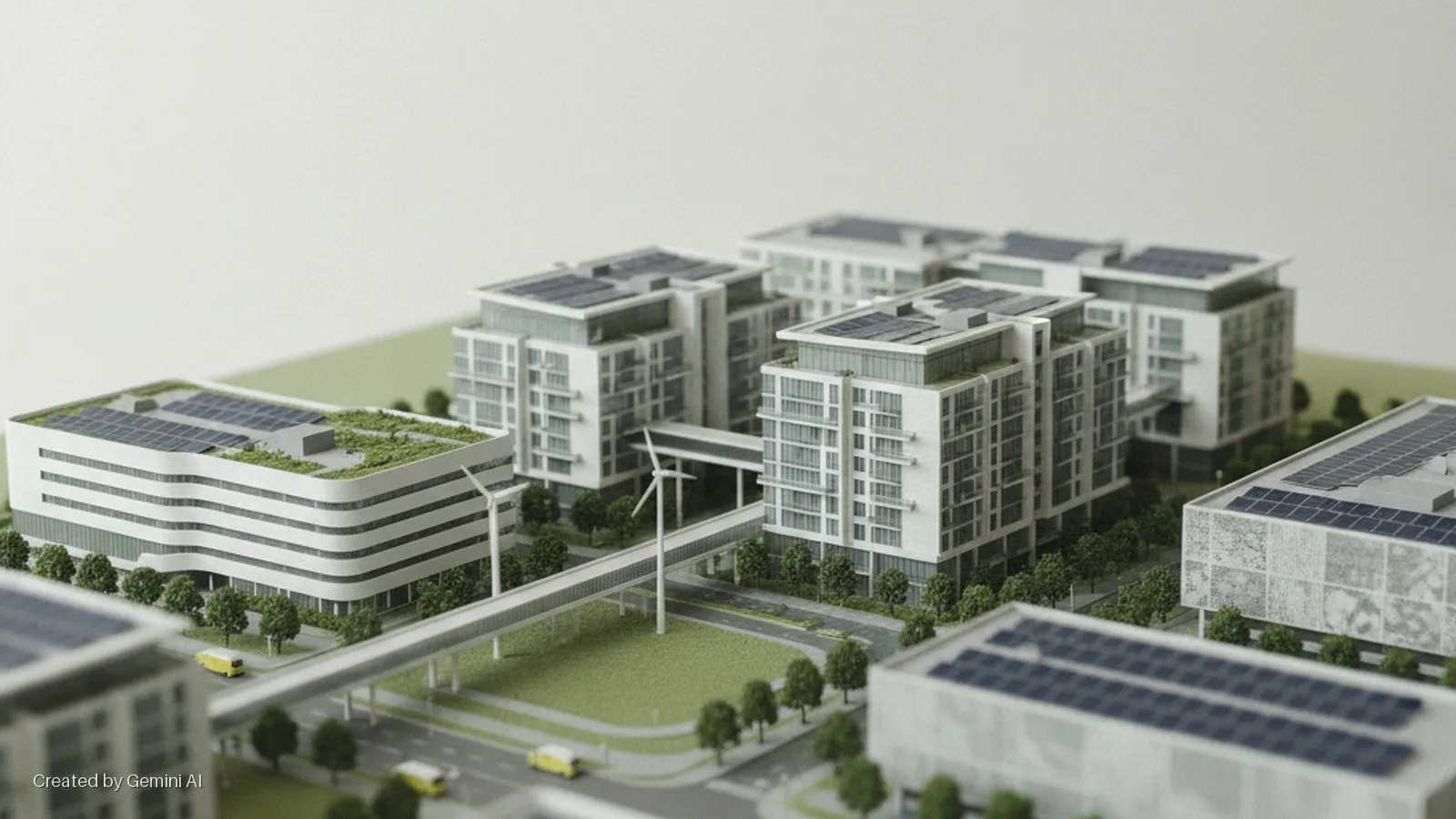
Fengate Asset Management, the Toronto-based alternative investment manager with more than $12 billion in capital commitments, has published its 2025 Sustainability Report, detailing how the firm is deploying capital simultaneously across housing, healthcare, digital infrastructure, and energy transition assets in Canada and the United States. The release is less a conventional ESG disclosure and more a cross-sector capital map: it shows how a single manager is placing bets across four verticals that, taken together, represent some of the most structurally significant infrastructure needs of the next decade.
The breadth is notable. Where most infrastructure-focused GPs anchor to one or two verticals, Fengate is actively bridging all four, a strategic posture that reflects a broader shift in institutional capital allocation, as pension funds and long-duration investors seek assets that hedge against inflation, demographic pressure, and the energy transition simultaneously.
Housing and healthcare: the demographic infrastructure play
On the housing side, Fengate and the LiUNA Pension Fund of Central and Eastern Canada have broken ground on five residential projects, including The Dennis in Toronto's Mount Dennis neighbourhood. The transit-oriented development will add more than 448 rental homes, of which 89 are designated affordable, and is among the first to advance under the City of Toronto's Purpose-Built Rental Housing Incentives programme. This reflects a widening pattern across Canadian institutional capital: pension-linked managers are increasingly stepping into supply gaps that private developers have vacated as interest rates compressed margins.
The healthcare commitment is larger in physical scale. Fengate is a participant in the Peter Gilgan Mississauga Hospital and Shah Family Hospital for Women and Children, described as the largest hospital project in Canadian history. The 2.8 million square-foot facility is projected to deliver more than 950 patient beds and generate over 2,800 permanent healthcare jobs. For an infrastructure manager, a project of this size carries long-dated, government-backed revenue characteristics that make it structurally attractive in a higher-for-longer rate environment.
Digital infrastructure and energy: the convergence pressure point
The convergence angle sharpens when digital infrastructure and energy transition are placed alongside each other. Fengate's report does not break out its digital infrastructure assets in granular detail, but the pairing is telling. Data centres, the backbone of the current AI compute buildout, are now the single largest source of new electricity demand across North America. Any manager holding both digital infrastructure assets and renewable energy capacity is, whether by design or consequence, sitting at the intersection of those two demand curves.
Fengate's energy transition portfolio generated more than 2.2 million MWh of renewable energy in the period, with over 749 MW of installed capacity and roughly 530,000 tonnes of CO2-equivalent in avoided emissions. That scale of generation is not incidental to the digital infrastructure story: hyperscalers and co-location operators are under intensifying pressure from corporate power-purchase agreement commitments and emerging regulatory disclosure requirements to source verifiable clean power. Infrastructure managers with both renewable generation and digital assets on the same platform are increasingly well-positioned to structure those supply relationships internally.
The macro read-across here is significant for cross-sector capital allocators. Sovereign wealth funds and large pension mandates are actively seeking managers who can bundle these exposure types under a single governance framework, reducing the transaction costs and due-diligence overhead of assembling them piecemeal. Fengate's report, aligned to UNPRI, GRESB, TNFD Forum, ILPA, and SFDR-adjacent disclosure practices, is partly a signal to that institutional audience.
Lou Serafini, the firm's President and CEO, framed the report in terms of long-term value creation rather than regulatory compliance: "Responsible investing remains central to Fengate's strategy and to the way we create long-term value."
The broader question for investors watching this space is whether mid-sized alternative managers like Fengate can sustain genuine cross-vertical expertise, or whether the four-sector spread eventually demands scale that only the largest infrastructure GPs can provide. The next data point will be how Fengate's capital raising evolves as LPs themselves consolidate GP relationships across fewer, larger mandates.