
GE Aerospace sets Farnborough records as hybrid electric hits 30,000ft
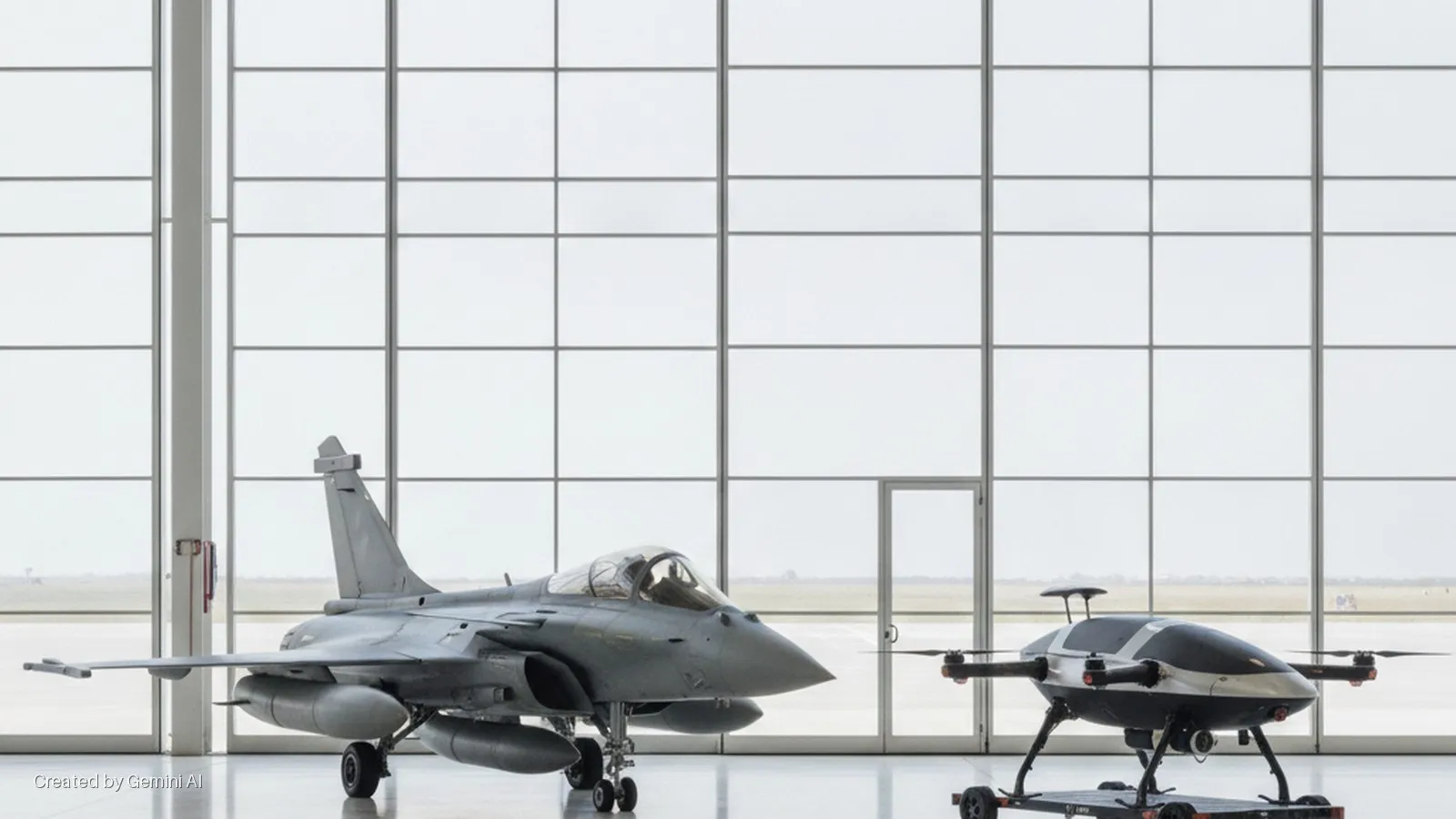
GE Aerospace closed the 2026 Farnborough International Airshow with approximately 1,800 engine commitments, dual-agency durability certifications, and a milestone that propulsion engineers have been targeting for years: the first hybrid electric flight above 30,000 feet, the cruising altitude of commercial passenger aircraft.
The order haul is headlined by a memorandum of understanding between CFM International (the 50/50 GE Aerospace and Safran Aircraft Engines joint venture) and Indian low-cost carrier IndiGo for more than 1,000 LEAP-1A engines to power 510 Airbus A320neo family aircraft. CFM describes it as the largest single order ever placed for the LEAP engine. On the widebody side, Philippine Airlines and lessor AerCap each selected GEnx-1B engines for Boeing 787 Dreamliners, adding to a programme that passed 50 million flight hours in just over 14 years, the fastest rate of any GE Aerospace commercial widebody engine.
Durability and Certification
The US Federal Aviation Administration and the European Union Aviation Safety Agency jointly certified a LEAP-1B high-pressure turbine durability kit designed to double time-on-wing in hot and harsh operating environments. An initial engine-level certification for the LEAP-1B reverse bleed system was also secured, cutting on-wing fuel nozzle replacements and reducing maintenance burden for operators. For airlines managing tight turnaround economics, longer intervals between shop visits translate directly into available seat miles.
The CFM RISE (Revolutionary Innovation for Sustainable Engines) open-fan technology demonstration has now completed approximately 500 test campaigns and more than 3,000 endurance cycles. Airbus and CFM also revealed the livery for the A380 flight-test aircraft that will support open-fan demonstration flying later this decade, a symbolic step for a programme that represents one of the largest bets in commercial aviation on next-generation fuel efficiency.
Hybrid Electric and Defence Convergence
The most strategically significant announcement sits at the intersection of aerospace and defence technology. In collaboration with NASA, BETA Technologies and Boeing, GE Aerospace completed the first hybrid electric flight above 30,000 feet. Alongside this, GE Aerospace and BETA unveiled the MV250, an autonomous hybrid-electric VTOL aircraft designed for contested military logistics missions. The MV250 uses a hybrid-electric turbogenerator to extend operational range in environments where conventional rotorcraft logistics are vulnerable. The defence application is telling: before hybrid electric propulsion reaches commercial airline fleets, its earliest scaled deployments are likely to come through military procurement, where mission-specific range and resilience requirements justify cost premiums that commercial operators cannot yet absorb.
This dual-track development path has real implications for capital allocation in the broader aerospace and defence ecosystem. Prime contractors and sovereign procurement agencies evaluating next-generation vertical-lift platforms will now weigh hybrid-electric propulsion not as a future option but as a demonstrated technology. The MV250 announcement, combined with GE Aerospace's separate integration testing of the Axisymmetric Vectoring Exhaust Nozzle on the F110 engine for Shield AI's X-BAT aircraft, signals that the boundary between commercial propulsion R&D and defence-technology development is thinning. R&D costs borne on the commercial side flow into military applications, and vice versa, creating a cross-subsidisation dynamic that specialist aerospace investors will need to model explicitly.
For cross-sector strategists, the Farnborough scorecard points in two directions at once. The record LEAP order from IndiGo reflects continued robust demand for narrowbody capacity across South and Southeast Asia, a regional aviation growth story that feeds through to aircraft lessors, MRO networks and airport infrastructure. Simultaneously, the hybrid-electric milestones position GE Aerospace at the centre of a longer-cycle transition in propulsion technology where the near-term customers are defence ministries and the longer-term prize is decarbonised commercial aviation. The open-fan programme and the 30,000-foot hybrid flight are, in that context, less a product announcement and more a statement about where the next decade of propulsion capital will flow.