
Abu Dhabi names three Oncology Centres of Excellence for breast care
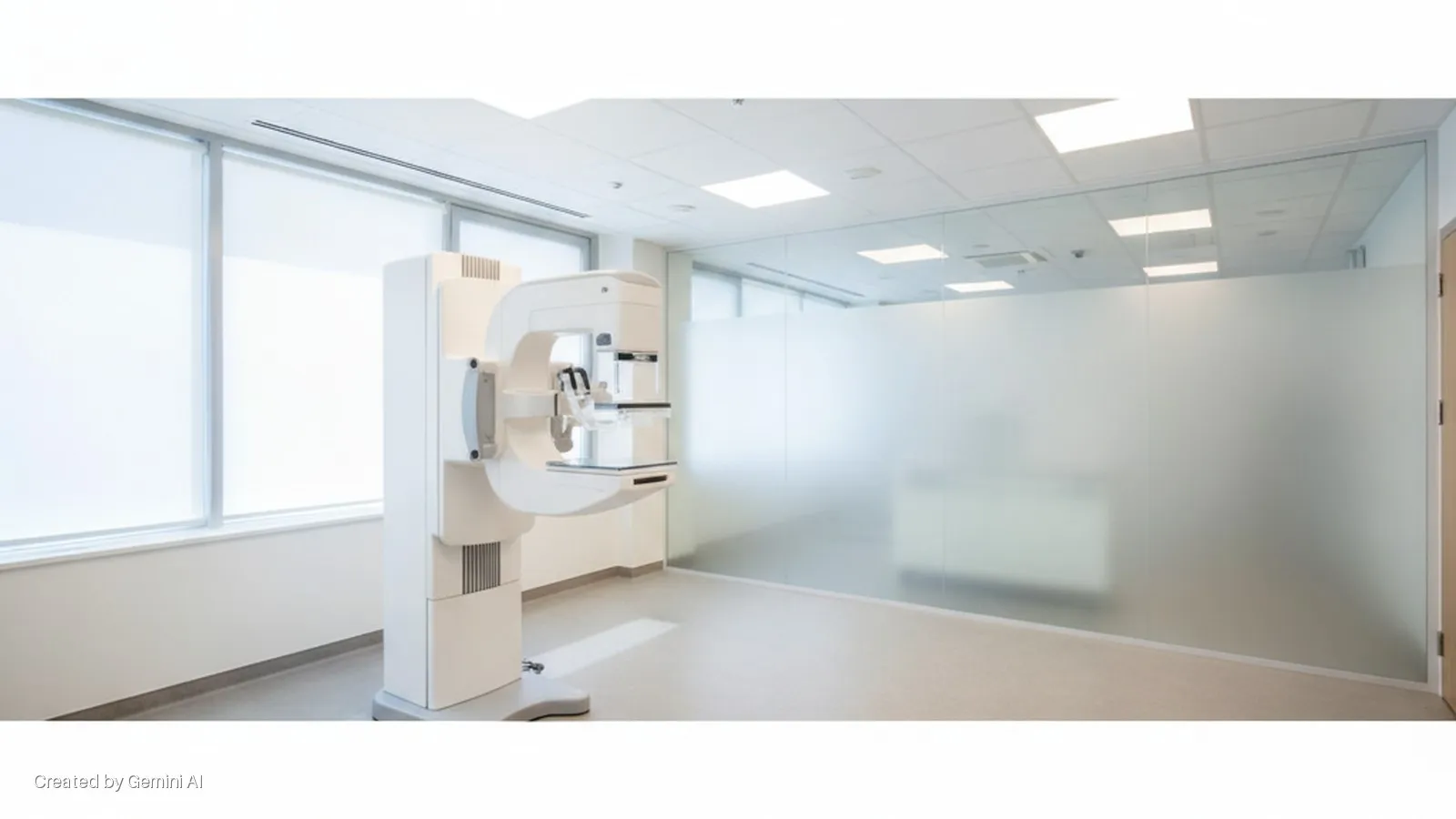
The Department of Health – Abu Dhabi (DoH) has formally designated three hospitals as Oncology Centres of Excellence (CoEs) for breast cancer: Burjeel Cancer Institute at Burjeel Medical City, Cleveland Clinic Abu Dhabi, and SEHA Tawam Hospital. The move is part of a broader strategy to position Abu Dhabi as a globally competitive hub for specialised clinical care, with the CoE framework setting minimum thresholds across clinical outcomes, patient safety, workforce accreditation, and research engagement.
The designations arrive against a backdrop of sharply rising early-detection activity in the emirate. The DoH reports that breast cancer screening rates in Abu Dhabi increased by 85% over the past year. Whether that figure reflects a population-level behaviour shift, expanded screening infrastructure, or targeted outreach campaigns is not specified in the release, but the scale of the movement suggests institutional investment in prevention has been deliberately accelerated ahead of this formal recognition tier.
What sets each centre apart
Each of the three facilities brings a differentiated clinical profile to the CoE designation. Burjeel Cancer Institute leads on diagnostic speed: its One-Step Breast Clinic bundles consultation, imaging, biopsy, pathology review, and treatment planning within 24 hours. It also operates the GCC region's only NOVALIS-accredited radiation oncology programme and runs a UAE-wide mobile mammography unit extending screening beyond hospital walls.
Cleveland Clinic Abu Dhabi's designation rests on high-volume complex case management and surgical depth, including robotic and endoscopic breast surgery, advanced microsurgical reconstruction, and what the release describes as the UAE's only AI-powered adaptive radiation therapy system with real-time daily replanning. The integration of AI into radiation dosimetry, where treatment plans are recalculated daily based on anatomical changes, represents a meaningful clinical application of machine-learning infrastructure, not merely a marketing adjective. SEHA Tawam Hospital, part of the PureHealth Group, brings the longest institutional pedigree: it was the first UAE facility to achieve international accreditation as a breast cancer centre through the US-based National Accreditation Programme for Breast Centres (NAPBC), and it functions as a national and regional tertiary referral hub for complex cases.
The convergence angle: healthcare hubs as geopolitical assets
The DoH's CoE framework is worth reading in a wider capital-allocation context. Gulf states have over the past three years been systematically converting sovereign spending into internationally recognised clinical centres, partly to reduce medical tourism outflows (UAE residents historically travelling to Germany, the UK, or Thailand for complex oncology) and partly to attract inbound medical tourism from the broader MENA and South Asian diaspora. Abu Dhabi's strategy mirrors moves by Saudi Arabia under Vision 2030, which has directed Public Investment Fund capital into hospital partnerships with Mayo Clinic and others.
For cross-sector investors, the more interesting signal is the infrastructure stack sitting beneath these designations. Advanced radiation oncology, AI-guided imaging, and genomic testing (Cleveland Clinic's in-house HER-2 FISH testing is noted) require the same compute, data-governance, and cold-chain logistics capabilities now being built into the region's broader technology corridors. The convergence of healthcare accreditation with digital infrastructure buildout is increasingly a single capital thesis in the GCC, not two separate ones. As sovereign wealth funds look to anchor economic diversification, internationally recognised clinical centres serve as both a public-health asset and an anchor tenant for the data, logistics, and talent ecosystems growing around them.
Dr. Stephen Grobmyer, Chair of the Cancer Institute at Cleveland Clinic Abu Dhabi, framed the designation in terms of continued expansion: "We remain committed to delivering highly specialised, personalised care for patients with complex conditions, while expanding access to the latest diagnostic and treatment technologies."
Whether Abu Dhabi's CoE model becomes a template replicated across other clinical specialties, and whether it attracts the cross-border patient volumes needed to sustain its research ambitions, will be the next test of the emirate's healthcare positioning strategy.