
BermudAir brings E-Freighter to the Americas in e-commerce cargo push
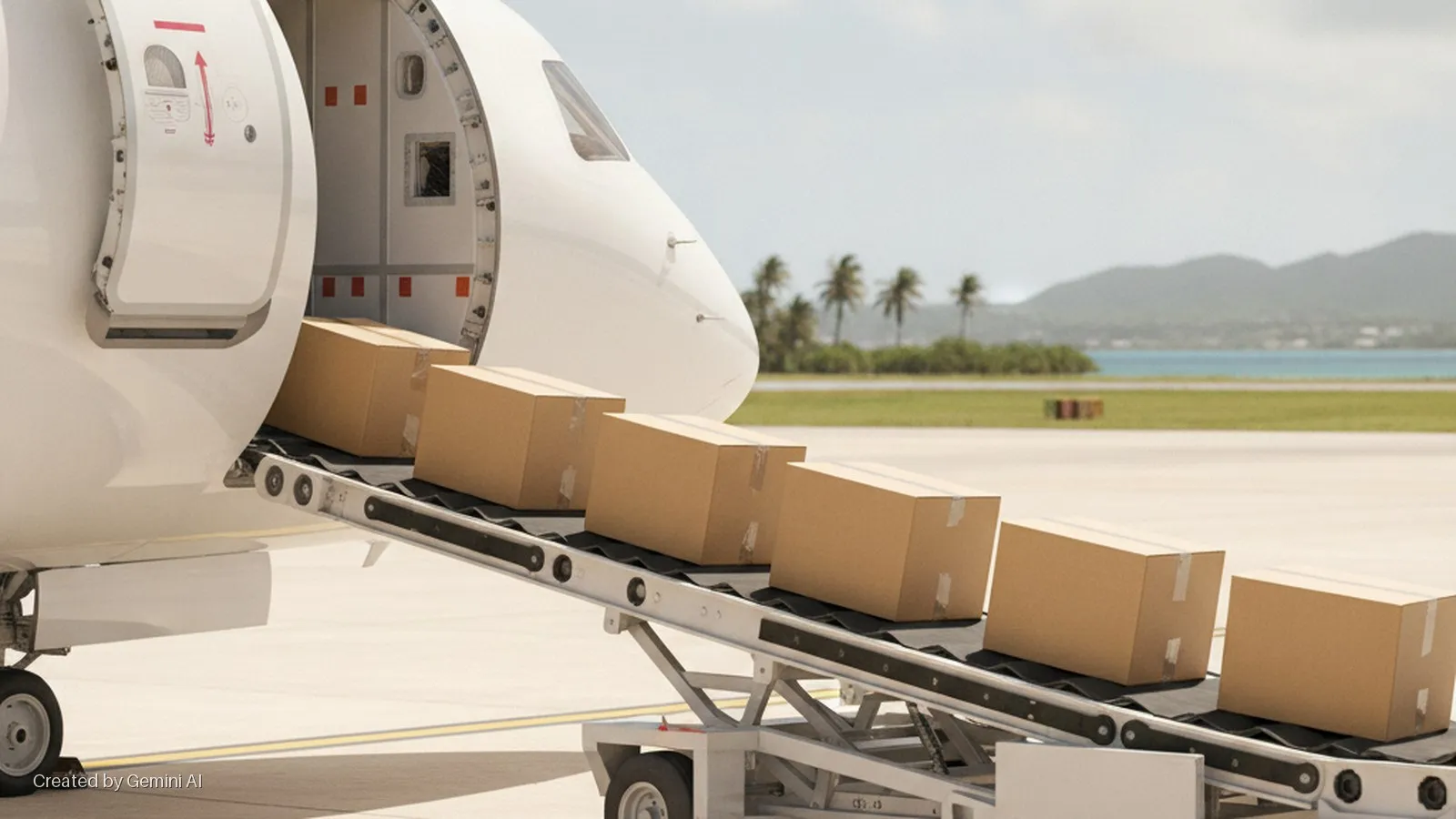
BermudAir, Bermuda's boutique regional carrier, has become the second operator worldwide of Embraer's E190F converted freighter, adding a dedicated cargo aircraft to a passenger network that already spans ten destinations across the Caribbean, the United States and Canada. The aircraft, leased from Florida-based aviation asset manager Regional One, is the first E-Freighter to enter service in the Americas, a geographic milestone that signals the platform's readiness to move beyond its initial proving grounds.
The move is not simply an airline adding a new airframe. It reflects a broader structural shift in how smaller island-economy carriers are monetising their networks: passenger-first operators are layering cargo revenue onto existing route infrastructure, chasing the fast-growing express freight market without the capital expenditure of building a standalone cargo division.
Filling the gap between turboprops and narrowbodies
The E190F is positioned explicitly to address a capacity gap in the regional cargo market. Embraer says the aircraft offers more than 100 cubic metres of total cargo volume and up to 13.5 tonnes of payload, while delivering 30% lower operating costs than classic narrowbody freighters of comparable capacity. Against large cargo turboprops, the company says the jet offers more than three times the range and 35% additional volume. Embraer describes it as the quietest and greenest jet freighter currently available, though those claims come from the manufacturer's own materials and should be read as positioning rather than independently verified benchmarks.
Regional One holds five firm orders for the E190F. Two converted aircraft had already entered service before this announcement, meaning BermudAir receives an aircraft with at least some operational track record behind it. Adam Scott, Founder and CEO of BermudAir, framed the addition as a logical extension of an already-established network: "We've built a reliable, right-sized operation connecting Bermuda and the Caribbean to North America, and the E190F lets us put that same network to work moving express cargo, supporting local businesses, e-commerce and time-sensitive freight across the islands we serve."
Convergence of island e-commerce and air-cargo infrastructure
The convergence angle here is worth unpacking for the cross-sector strategist. Caribbean island economies are among the most structurally dependent on air freight globally: limited road and sea alternatives, high import ratios, and a consumer base increasingly plugged into North American e-commerce platforms. The growth of cross-border e-commerce logistics into smaller island markets has historically been constrained by a lack of right-sized aircraft. Widebody freighters are economically inefficient on thin island routes; large turboprops lack the range and volume. The E190F sits precisely in that gap.
For capital allocators watching the logistics and transportation sector, this deal illustrates a pattern emerging across small and mid-sized carriers: the passenger network as a cargo infrastructure asset. Airlines with established slot rights, ground handling, and customs relationships in high-yield island markets are increasingly attractive to express logistics operators and e-commerce fulfilment businesses seeking last-mile air access. BermudAir reports delivering approximately $149 million in annual economic impact to Bermuda and supporting more than 1,100 jobs, figures that underscore the airline's systemic importance to the island's import-dependent economy.
The broader question for the air cargo sector is whether the E190F conversion programme can build sufficient operator density to establish a competitive secondary market for the type. Regional One's role as both lessor and asset manager suggests it is positioning to create exactly that liquidity: five firm orders, two aircraft delivered, and now a first-in-region operator generating operational data across Caribbean routes. If BermudAir's cargo yields prove compelling, the model becomes a template for other boutique island carriers across the Pacific and Indian Ocean territories where the same structural gap exists. Embraer's ambition to expand the global operator base, as stated by Arjan Meijer, President and CEO of Embraer Commercial Aviation, will depend on how quickly that data materialises.