
ASUS Googlebook 14 bets on Gemini to reframe the AI PC race
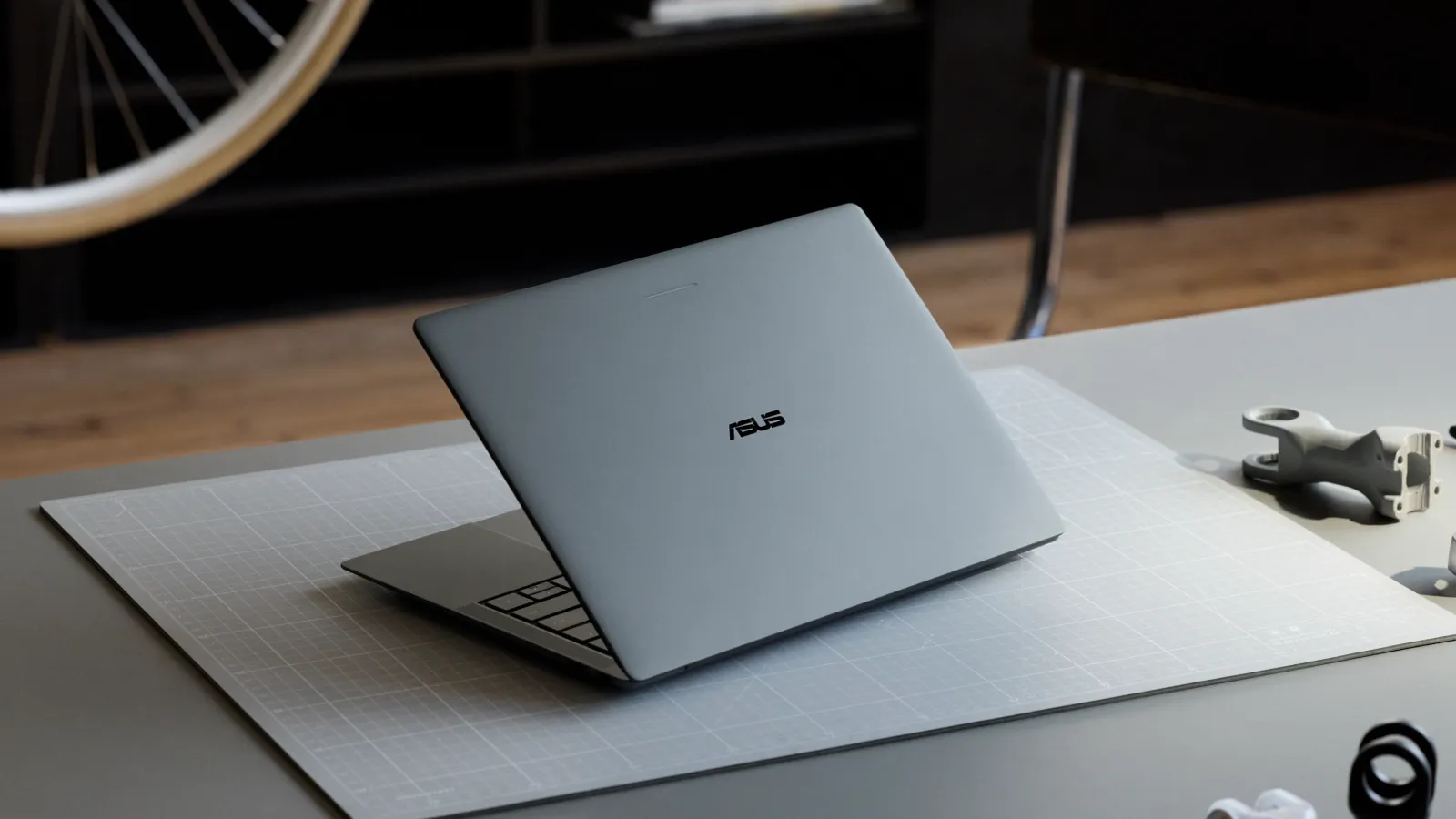
ASUS has launched the Googlebook 14 in Canada, positioning it as the first laptop from the Taiwanese manufacturer built specifically around Google's Gemini Intelligence platform. The move places ASUS squarely in the middle of an intensifying platform battle between Google and Microsoft for the AI-native PC category, a contest whose outcome will shape enterprise software spend, cloud subscription revenue, and hardware margin structures well into the next decade.
The device goes on pre-order across Canada on 21 September 2026, priced from C$1,799 (roughly US$1,330), with in-store availability from 4 October. It ships with 12 months of Google AI Pro, which the company values at approximately C$240 and which bundles expanded Gemini access, Google Flow, Gemini Notebook, and 5TB of cloud storage.
Gemini as operating-layer, not feature
The strategic significance here is less about the hardware specifications and more about where Google is placing Gemini in the stack. On the Googlebook 14, Gemini is not a chatbot panel bolted alongside existing apps; it is positioned as a persistent, proactive operating layer. A feature called Magic Pointer activates Gemini by wiggling the cursor, allowing users to query, compare, or generate content from anything visible on screen. Proactive suggestions surface calendar information, email context, and recommended actions without explicit prompting.
This mirrors Microsoft's approach with Copilot on Windows 11 devices, where the AI assistant is woven into the shell rather than siloed in a single application. The difference is ecosystem lock-in: the Googlebook 14 pairs tightly with Android devices running Android 17 or above, allowing users to hand tasks between phone and laptop and cast phone apps directly to the larger screen. For organisations already standardised on Google Workspace, this cross-device continuity is a genuine workflow proposition, not a marketing embellishment.
On the hardware side, the device is built around Intel's Core Ultra Series 3 processor (up to a Core Ultra 7 355 with an NPU rated at 49 TOPS), 16GB of LPDDR5X memory, and a 512GB PCIe 4.0 SSD, all housed in a 0.99kg magnesium-aluminium chassis. The 14-inch 3K OLED touchscreen runs at 120Hz with 1,000 nits peak HDR brightness. Battery life is rated at 18 hours under ASUS's internal test conditions, a figure that should be read with the usual caveat that real-world mixed-workload numbers will be lower.
The platform war beneath the product launch
For cross-sector strategists, the Googlebook 14 is less interesting as a device than as a signal. Google is deploying Gemini as the connective tissue between its cloud infrastructure (Google Cloud, Workspace, Drive) and the endpoint hardware market, using OEM partnerships with ASUS to accelerate distribution without carrying hardware margin risk itself. This is structurally analogous to Microsoft's approach with the Surface line and Copilot+ programme, though Microsoft retains first-party hardware ambitions that Google has historically avoided.
The capital implications ripple outward. Device manufacturers that commit to a single AI platform face concentration risk if that platform's model performance or enterprise adoption falters. Conversely, enterprises evaluating PC refresh cycles through 2027 and 2028 are now making a genuine platform choice, not merely a hardware one. That decision will influence cloud seat counts, AI subscription revenue, and IT procurement budgets in ways that are difficult to unwind once standardised.
Google's bundling of AI Pro subscriptions with hardware also reflects a broader industry shift: AI capability is being subsidised at the point of sale to accelerate subscriber acquisition, with the expectation that conversion to paid tiers will follow once trial periods expire. Whether that conversion dynamic holds at scale remains untested. The Canadian launch, covering a relatively modest addressable market, may serve as a controlled read on consumer and SME uptake before wider rollouts.
The Googlebook 14 is a credible ultraportable. But its real function is as a beachhead in a platform contest that will determine where enterprise AI compute spend lands over the next hardware cycle.