
Alfred raises £5m to bundle UK household services on wholesale model
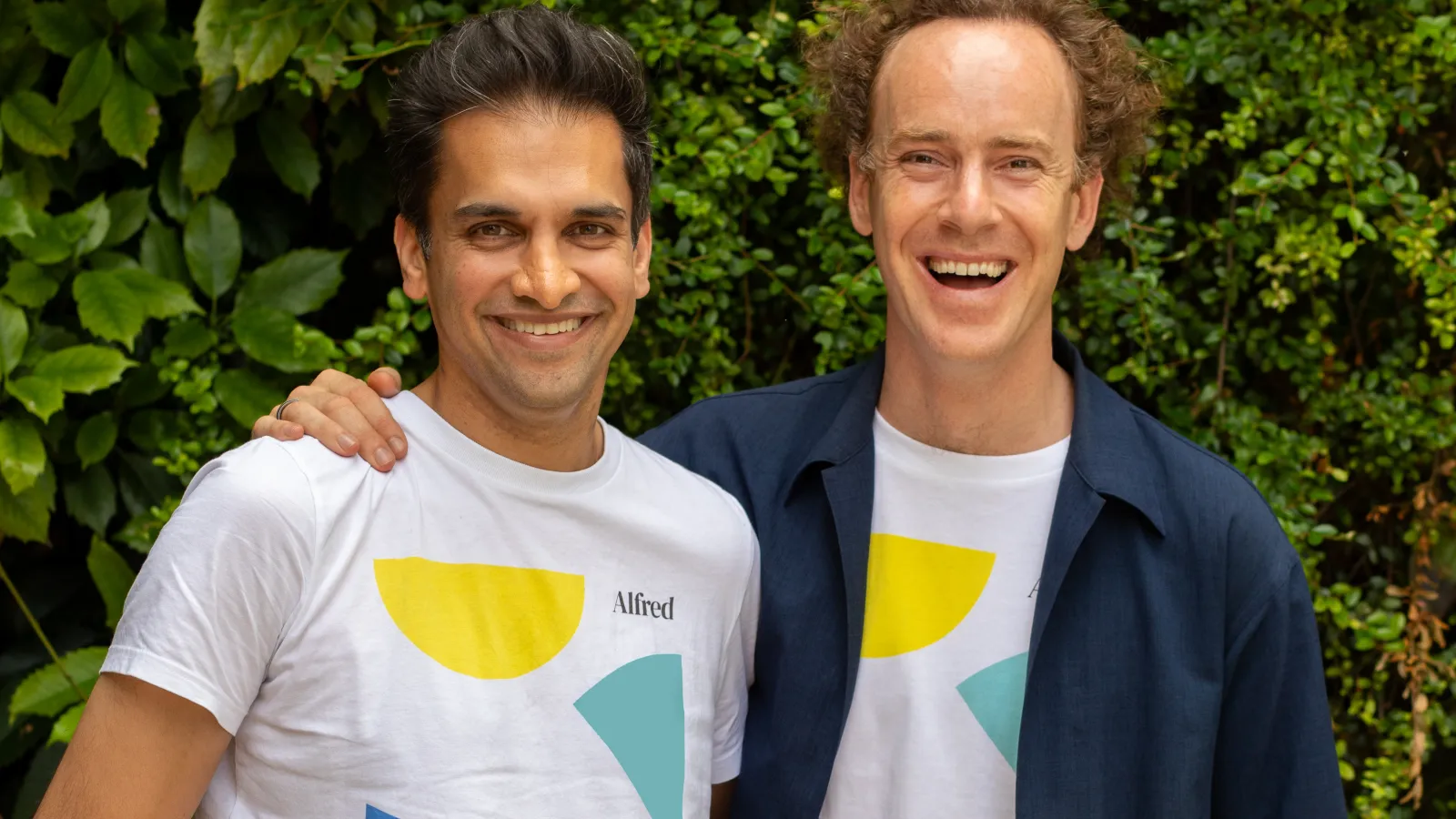
Alfred, a London-based AI-native services company, has closed a £5 million pre-seed round at a £27.5 million post-money valuation to bring energy, broadband, mobile and insurance under a single annual membership priced at £195. Backers include Liberty Global, Nick Hanauer (the first outside investor in Amazon.com), and golfer Justin Rose. The raise marks a rare attempt to dismantle the fragmentation of the UK regulated household services market, a sector the company estimates is worth £180 billion a year, by using generative AI to compress the operational overhead that has historically made bundling at scale impractical.
The model is deliberately modelled on Costco. Alfred negotiates wholesale rates directly with suppliers and passes them to members without adding a service margin; revenue comes solely from the membership fee. The company says higher-usage households taking all four services could save up to £1,000 a year against standard out-of-contract rates from major providers, with very high-usage households potentially saving over £2,000 annually. Both figures are illustrative estimates based on specific household profiles and exclude the membership fee itself; actual savings will vary, and the company acknowledges many households may save less or nothing.
AI as operational infrastructure, not a feature
What makes Alfred structurally different from earlier bundled-services plays, BT's attempt to cross-sell energy in the early 2010s, or the ill-fated domestic super-apps of the insurance aggregator era, is the explicit use of generative AI to run the customer operations layer. Tom Inskip, founder and CEO, frames the technology as a genuine business-model enabler rather than a marketing adjective: "In the same way supermarkets needed refrigeration and Amazon.com needed the internet, Alfred would not be possible pre generative AI. For the first time, a small team with the right technology can take on the incumbents across four regulated industries."
Alfred is working closely with Amazon Web Services on its AI stack, and the company is regulated across three separate UK frameworks: Ofgem for energy, Ofcom for its MVNO mobile licence, and the FCA for insurance broking. That triple regulatory footprint is itself a meaningful moat, or barrier, depending on which side of the table you sit. The insurance panel includes Aviva, AXA and Allianz, and broadband is delivered via BT Openreach through Vodafone infrastructure.
The convergence read-across: fintech's subscription model meets utility infrastructure
Alfred's round is small by late-stage fintech standards, but its structural logic sits firmly in the convergence playbook. The company is applying subscription economics, a model proved out in software and streaming, to regulated infrastructure services that have not historically rewarded bundlers. That is the same bet challenger banks made against incumbent current accounts, and the same logic that underlies embedded insurance plays from fintechs such as Zego and Brolly.
The Liberty Global participation is particularly worth tracking. The cable-and-broadband conglomerate has long held a strategic interest in the intersection of connectivity infrastructure and household services, its M&A history runs from Virgin Media to Dutch and Swiss telco assets. Backing Alfred suggests Liberty is watching whether AI-enabled service aggregation can do to regulated household utilities what streaming did to pay-TV bundles.
For macro investors, the broader question is capital efficiency: if a small AI-native team can replicate the customer-service infrastructure of a major utility at a fraction of the cost, the margin structure of the incumbent energy retailers, MVNOs and insurance intermediaries comes under structural pressure. Ofgem and the FCA will be watching whether wholesale pass-through models stress-test the consumer protection frameworks built for a world of traditional intermediaries. Alfred is currently in waitlist mode ahead of full launch; how it scales through the regulatory scrutiny of all three bodies simultaneously will be the real test of whether the convergence thesis holds.