
SKYX and Deako target 60,000 smart home units in US builder push
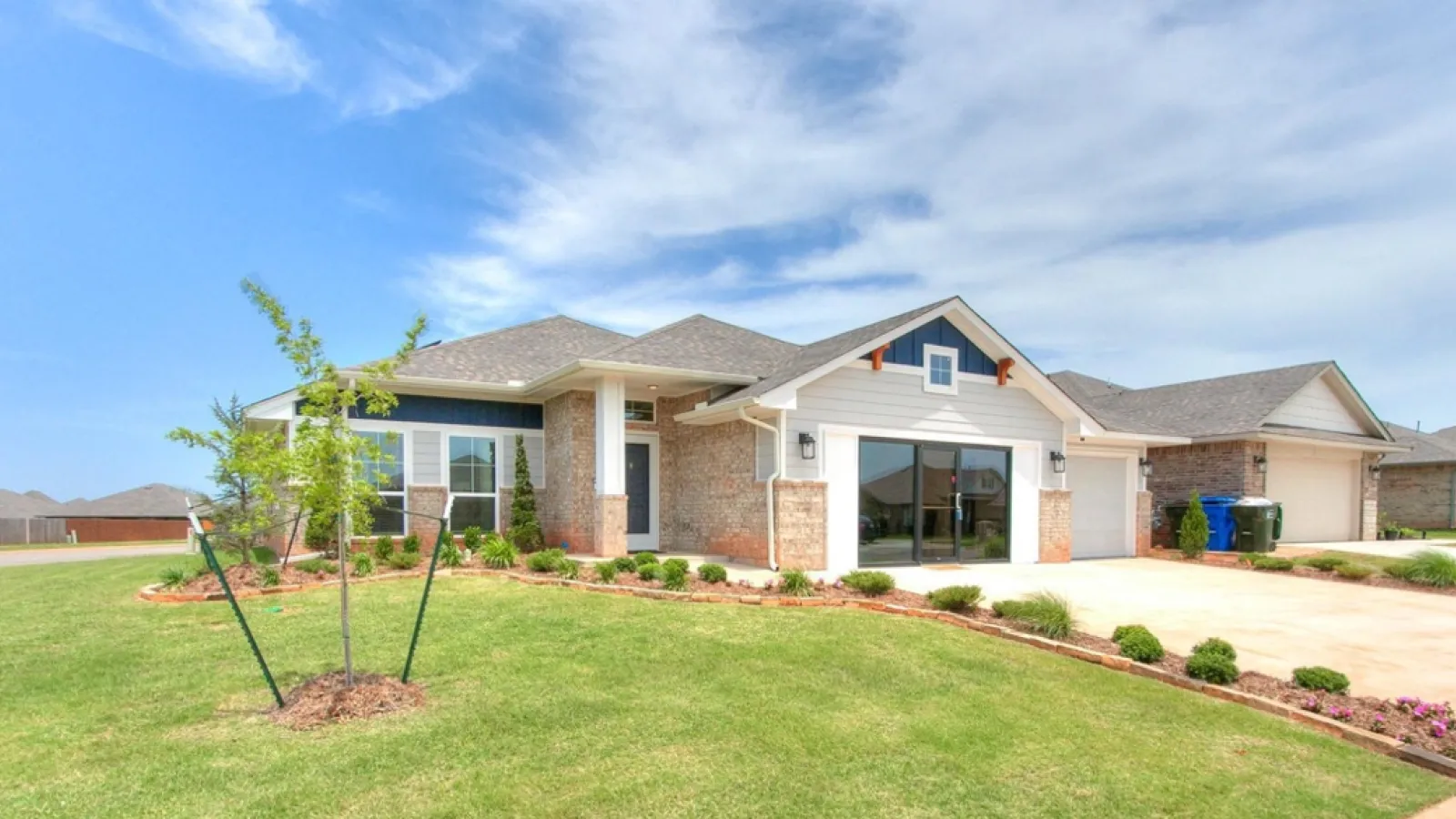
SKYX Platforms (NASDAQ: SKYX) and its smart lighting subsidiary Deako have agreed to supply an expected 60,000 units of connected home technology to Oklahoma and Texas homebuilder Home Creations across more than 700 properties over the next twelve months. The deal extends a post-merger push that has already placed over 140,000 units across more than 1,700 homes, and sits inside a combined pipeline the company estimates at over four million units priced at roughly $50 per product.
The announcement is less about a single homebuilder relationship and more about the logic of embedding smart infrastructure at the point of construction rather than as a consumer retrofit. Home Creations' Oklahoma City homes already carry a HERS (Home Energy Rating System) certification and are described as nearly 53% more energy-efficient than a typical new build. Deako's plug-and-play lighting forms part of that baseline package alongside smart thermostats, locks, and app-controlled garage access. The builder integration model, where smart systems ship as a standard rather than an optional upgrade, is the commercial hypothesis SKYX and Deako are now testing at scale.
From component supplier to platform play
Deako brings meaningful commercial weight to the merger. The company reports more than 32 million units shipped, over $26 million in 2025 revenue, and relationships with more than 50 US homebuilders, including volume giants D.R. Horton and Toll Brothers. SKYX adds a patent portfolio of more than 120 granted and pending applications, 60 lighting and home décor e-commerce properties, and ambitions to extend the platform into hotel and commercial segments.
The combined entity is making two structural arguments to investors. First, the merger is expected to reduce annual cash expenses by more than $6 million, a meaningful figure given SKYX's disclosure of going-concern risks in its SEC filings. Second, the company projects that a full combined product line, covering lighting, safety, and broader connected-home hardware, could increase future revenue per home by up to five times versus the current Deako-only position. Both figures are forward-looking and carry the usual execution caveats.
The convergence angle: smart real estate as infrastructure
The broader significance for cross-sector strategists is the redefinition of residential real estate as a software-enabled infrastructure asset. Homebuilders have historically sold physical structures; the Deako integration model reframes them as distribution channels for recurring connected-home platforms. That shift has implications beyond the US residential market.
In the Gulf and broader emerging-market housebuilding booms, where governments are constructing entire new cities rather than retrofitting existing stock, the economics of embedding smart systems at the design stage are even more compelling. The platform approach SKYX and Deako are piloting in Oklahoma and Texas is therefore a template that sovereign-backed property developers and their technology procurement teams will be watching. Meanwhile, energy-efficiency certification schemes such as HERS in the US, and their equivalents in the EU and GCC, are increasingly linking homebuilder financing costs to performance ratings, which adds a regulatory tailwind to the embedded-smart-home model.
The capital landscape for smart-home infrastructure remains fragmented, with players ranging from consumer electronics giants (Google Nest, Amazon Alexa ecosystems) to specialist builder-tech firms. SKYX is betting that the builder channel, rather than direct-to-consumer retail, is the defensible route to scale. At a $50 average unit price across a four-million-unit pipeline, that is a theoretical revenue ceiling of around $200 million. Whether the pipeline converts at that pace will depend as much on homebuilder sentiment in a rate-sensitive US housing market as on the technology itself.
Derek Richardson, Founder and CEO of Deako, said the partnership with Home Creations reflects a "natural fit" given the builder's focus on "energy efficiency, connected living, and thoughtfully designed communities."