
Blackstone and Pimco chase Gulf's multibillion infrastructure wave
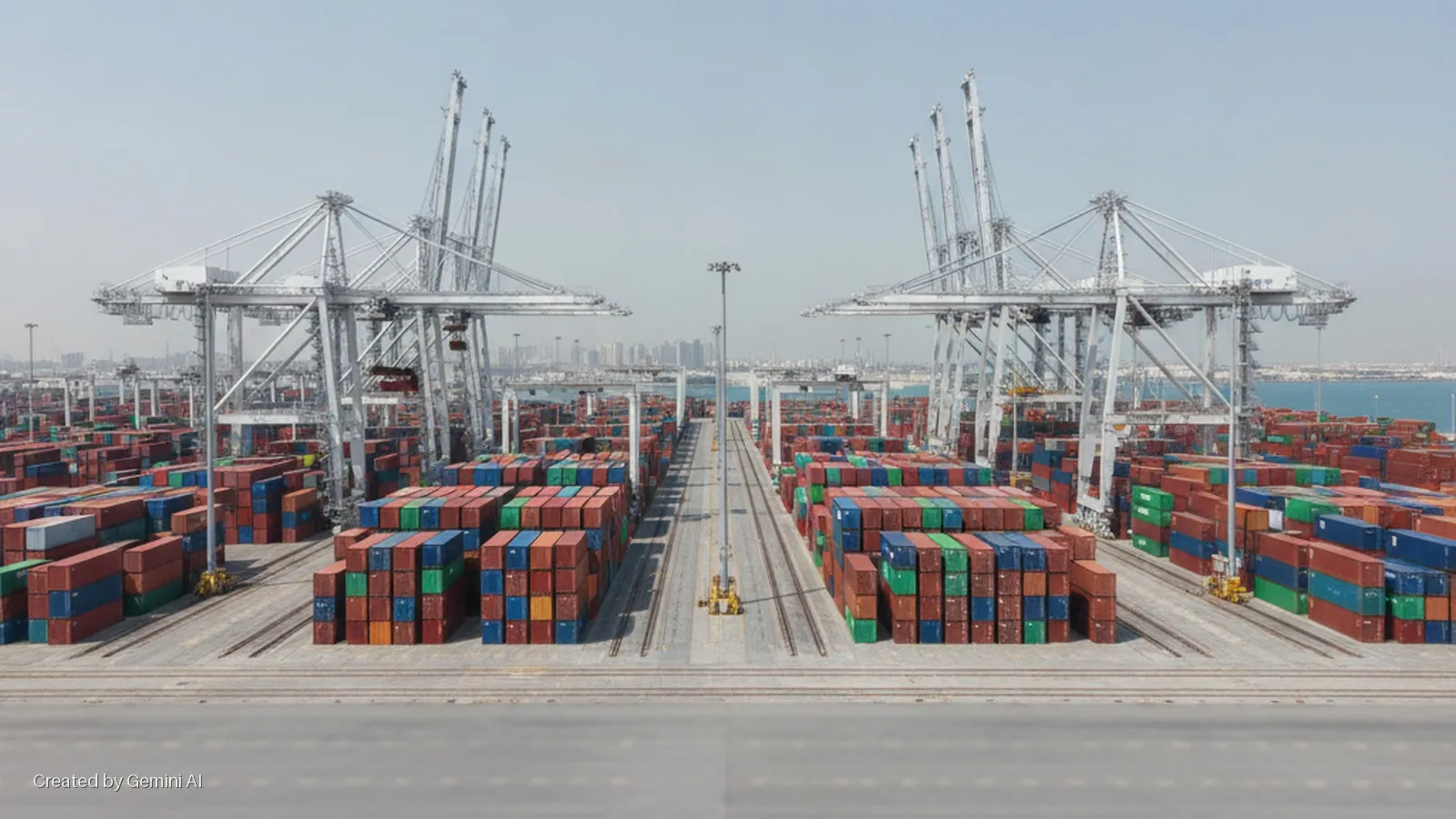
Blackstone and Pacific Investment Management Company (Pimco) are accelerating capital deployment into the Middle East, targeting a generational infrastructure buildout that spans digital infrastructure, logistics, energy rerouting and AI, sectors that Gulf governments are, for the first time, opening systematically to outside investors.
Speaking at Bloomberg Invest Dubai on 12 November, Blackstone Private Wealth Global Chief Operating Officer Farhad Karim said the firm had deployed more capital into the region over the past year than at any prior point in its history. Pimco Managing Director Christian Stracke characterised the financing opportunity as "massive", arguing that the scale of regional capital expenditure needs cannot be met by local banks and traditional government-linked funding alone.
A structural shift in Gulf capital architecture
The backdrop is consequential. The ongoing Iran conflict has exposed the Gulf's dependence on the Strait of Hormuz, accelerating plans to diversify energy export routes and harden shipping infrastructure. The UAE is expanding port capacity on its eastern coast, including at Fujairah, projects expected to run to billions of dollars. First Abu Dhabi Bank is raising up to 15 billion dirhams (approximately $4.1bn) in what would be the country's largest rights issue, partly to support this infrastructure push.
UAE Investment Minister Mohamed Hassan Alsuwaidi framed the shift explicitly: a country that sits atop more than $2 trillion in sovereign wealth management is not capital-constrained; it is strategically opening project pipelines to third-party private capital that would previously have been financed entirely by the state. "I see opportunity to attract third party capital in ways we haven't in the past," he said. That is a material policy signal for cross-sector investors. Office and warehouse real estate, logistics networks, AI infrastructure and robotics were all cited by Alsuwaidi as priority verticals with structural supply shortages.
The convergence read-across
For cross-sector capital allocators, the Gulf story is not simply a regional infrastructure trade. It is a live demonstration of how geopolitical disruption is restructuring global asset allocation at the same moment that AI infrastructure demand is creating a new category of long-duration real assets. Data centres, submarine cable routes, AI compute clusters and logistics hubs share the same land, power and connectivity dependencies, meaning a single Gulf infrastructure project increasingly spans multiple sectors simultaneously.
This convergence is precisely what firms like Blackstone and Pimco are pricing in. Karim's public singling out of "data infrastructure, logistics and other physical assets" in a single breath reflects a portfolio construction logic that blurs the boundaries between digital and physical infrastructure. The same logic is driving sovereign wealth reallocation globally: Abu Dhabi Investment Authority, Mubadala and the Public Investment Fund of Saudi Arabia have each been repositioning away from pure financial-asset portfolios toward hard-asset, operationally complex investment vehicles in which private capital managers hold structural advantages.
The risk calculus is not trivial. Conflict-elevated risk premiums are real, and global cost of capital remains high by post-2008 standards. Governments across the Gulf will need to demonstrate risk-adjusted returns that justify sovereign credit guarantees. Alsuwaidi indicated the UAE's investment-grade credit standing would serve as the anchor. "If you can make a long term, high single or low double for the long term with high certainty, I'd take that any day," he said.
The next observable signals will be whether the Fujairah port expansion and UAE AI infrastructure programmes generate formal project-finance mandates that bring international banks alongside the private capital managers now circling. If they do, the Gulf buildout could crystallise as the defining cross-sector capital deployment story of the late 2020s, one with direct implications for logistics pricing, digital infrastructure capacity and energy security architecture well beyond the region.