
SKYX and Deako to fit 1,000 Maronda homes with smart-home tech
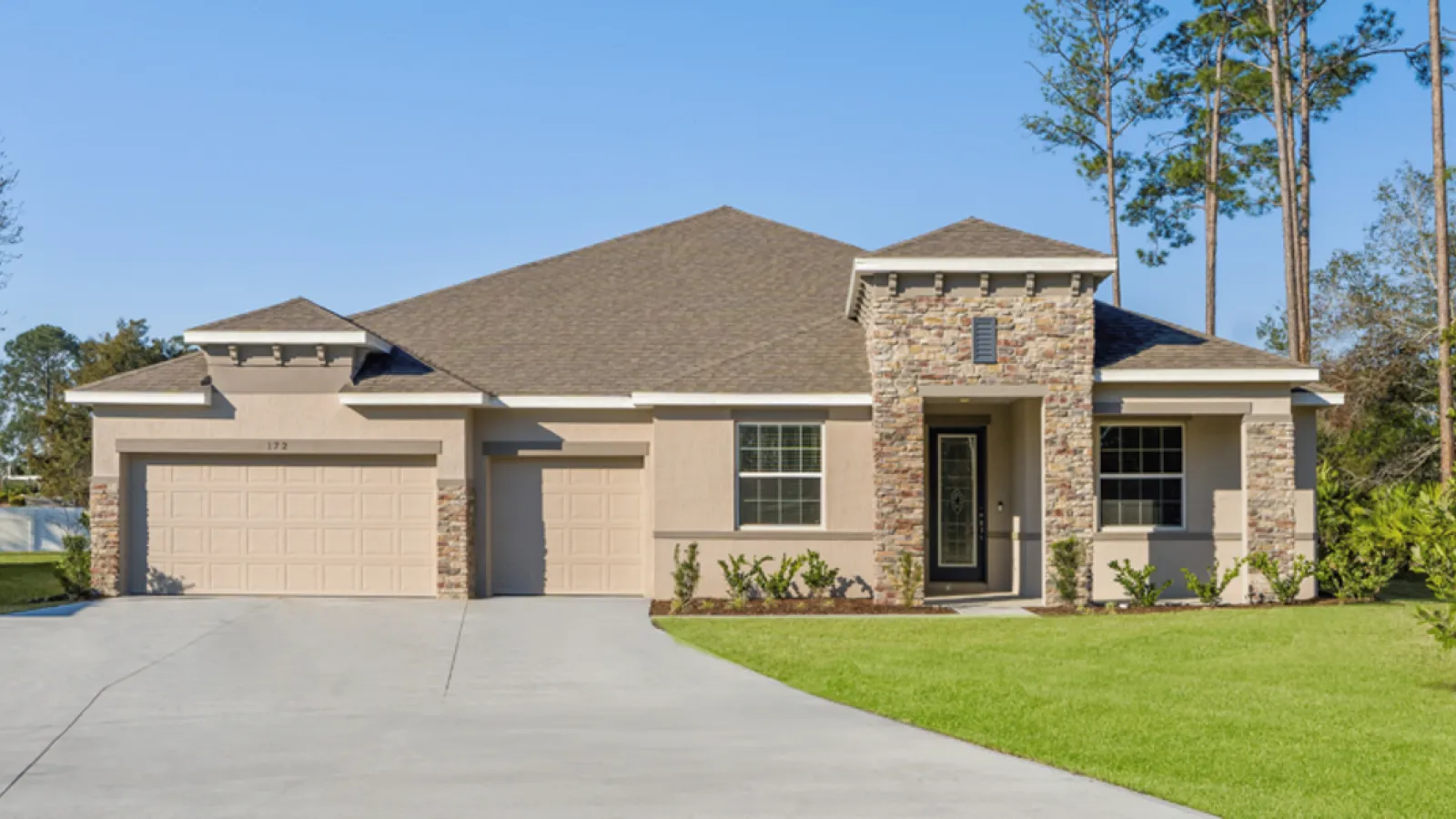
SKYX Platforms Corp and its subsidiary Deako have agreed to supply more than 80,000 units of plug-and-play smart-home hardware to over 1,000 new homes being built by Maronda Homes across Ohio, Georgia, Maryland, and Pennsylvania. Deliveries are expected to run through 2027, representing one of the larger volume commitments SKYX has secured for its platform since its NASDAQ listing.
The deal is structured as a builder-integration programme rather than an aftermarket retrofit: Deako's modular smart-lighting and electrical-control system is built into each home at construction, giving Maronda a standardised "smart home foundation" it can offer across its communities. Maronda, a private family-owned builder founded in 1972, has completed more than 70,000 homes across eleven US states. The company already offers a Certified Energy Efficient package alongside its electrical and smart-home options, though features vary by market and community.
Plugging smart-home tech into the new-build pipeline
The structural interest in this deal for cross-sector observers is less the unit count and more the distribution model. Residential construction is one of the last major consumer-facing verticals where connected-device adoption has been driven almost entirely by retrofitting, homeowners buying smart speakers, thermostats, or lighting controllers after moving in. By embedding Deako's system at the point of build, SKYX is attempting to shift that dynamic, positioning its platform as infrastructure rather than optional accessory.
Derek Richardson, Founder and CEO of Deako, described the logic plainly: "Every new Maronda home in these communities starts with a smart home foundation that is simple for the builder to deliver and easy for the homeowner to grow. It gives us a model we can repeat with builders across the country."
The ambition to replicate the model nationally is significant. US housing starts, though volatile, run at roughly one million units annually. If builder-integrated smart-home specification becomes a standard offering rather than a premium add-on, the addressable surface for platforms like SKYX's shifts from the aftermarket to the supply chain, a structural repositioning that competes more directly with electrical-component manufacturers than with consumer-electronics brands.
The convergence angle: real estate meets the connected-device stack
For macro investors, the more consequential question is whether the new-build channel becomes the dominant route for IoT adoption in the home. The property sector has historically been slow to embed technology at the construction stage, but that is shifting. Several trends are converging: tighter energy-efficiency regulation (Maronda's own Energy Efficient package signals builder awareness of that pressure), rising buyer expectations for connected living, and the declining cost of IoT hardware that makes per-unit economics viable for volume builders.
SKYX holds over 120 US and global patents across its platform, including AI-adjacent capabilities the company points to in its positioning, though the Maronda deal itself is focused on plug-and-play hardware delivery rather than any AI-specific functionality. The company also operates more than 60 lighting and home-décor e-commerce sites, giving it a direct-to-consumer data layer alongside its builder channel, a combination that, if integrated, could eventually support personalisation or predictive maintenance services layered on top of the hardware install base.
The capital picture around smart-home infrastructure remains fragmented. Venture interest has cooled since the peak of the connected-home investment cycle in the early 2020s, and several early leaders in the space have either consolidated or exited. That environment arguably favours players with builder-channel distribution agreements over those relying on retail pull-through, which is precisely the bet SKYX is making. Whether the Maronda programme converts into further builder partnerships at scale, and whether the economics sustain across a longer delivery window, will be the metrics worth watching into 2027.