
Leonardo DRS wins Army DUTCH contract for next-gen thermal IR sensing
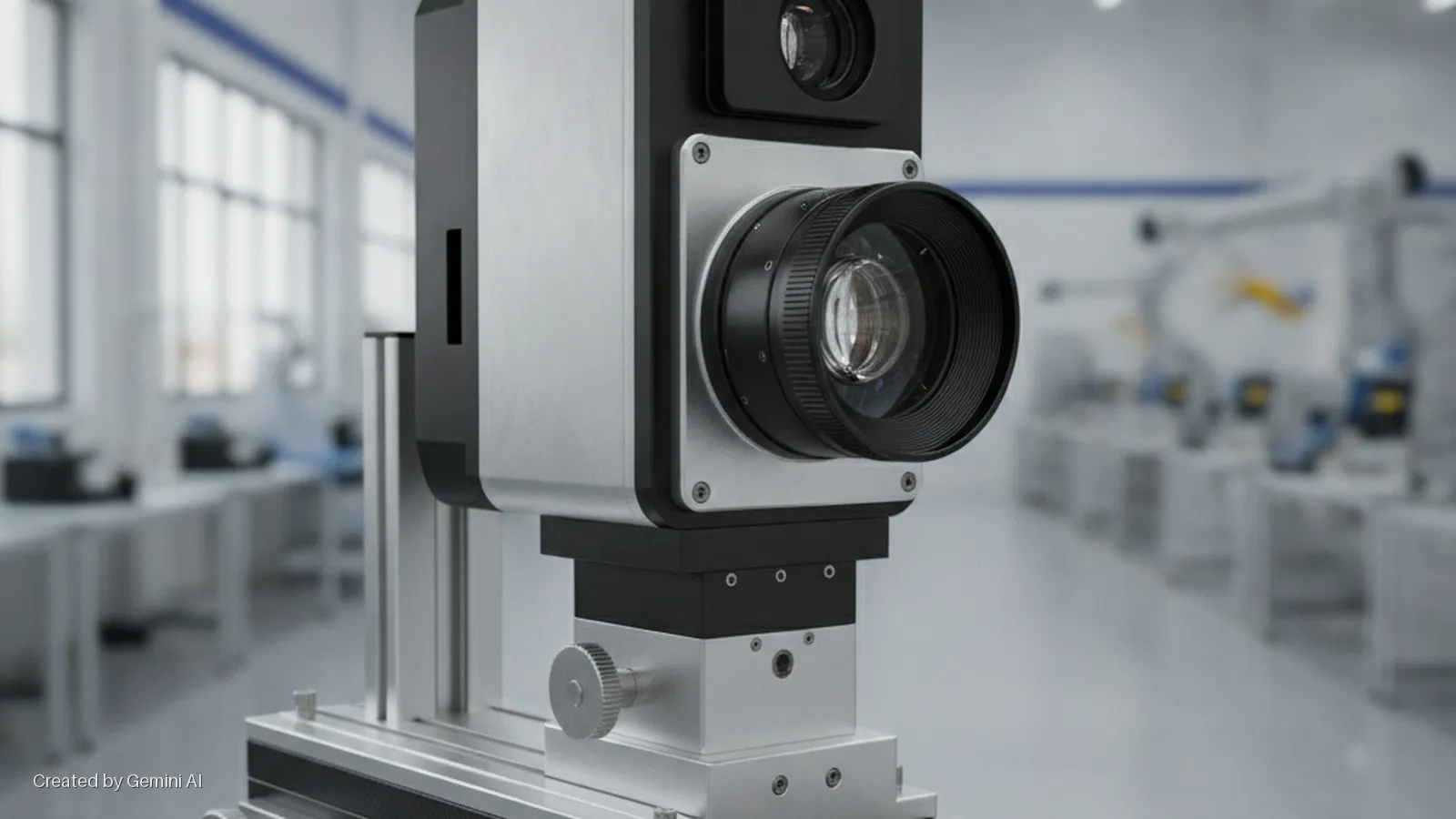
Leonardo DRS, the Nasdaq-listed defence technology specialist, has been selected by the US Army's DEVCOM C5ISR Center to advance next-generation uncooled thermal infrared sensing under the Delivering Unmatched Thermal Capability Hastened initiative, known as DUTCH. The contract, supported by the Office of the Assistant Secretary of War for Critical Technologies, tasks DRS with demonstrating high-definition, high-frame-rate uncooled thermal camera cores designed for rapid integration across a broad range of military platforms and operational environments.
Uncooled thermal imaging, so called because the detector operates at ambient temperature rather than requiring cryogenic cooling, offers significant size, weight, power and cost advantages over its cooled counterparts. That SWaP-C profile makes it particularly attractive for volume deployment on smaller, cost-constrained platforms where a bulky cooling apparatus is prohibitive.
Platforms and the proliferation of thermal sensing
The potential application list under the DUTCH award is notably broad. DRS has highlighted unmanned aerial systems, counter-UAS, missile and rocket seekers, weapon sights, night-vision systems, ground-vehicle sensing and targeting, and unmanned surface vessels. That range signals something important: the US Army is not procuring a bespoke sensor for a single programme, but accelerating a technology that can propagate horizontally across the force. Jerry Hathaway, senior vice president and general manager of DRS's Electro-Optical and Infrared Systems unit, said the selection "reflects the depth of our uncooled IR technology portfolio, our understanding of operational needs and our ability to transition advanced sensing capabilities into scalable production."
To underpin that scalable delivery, DRS maintains dual-site camera assembly and test facilities in Dallas, Texas, and Melbourne, Florida. The company says it is also broadening its supply base across key components, a deliberate hedge against the single-supplier concentration risk that has disrupted other defence electronics programmes in recent years.
The convergence angle: counter-drone demand meets industrial scale
The DUTCH initiative arrives at a moment when the operational tempo around uncrewed systems is reshaping procurement priorities across NATO and allied forces. Conflict in Ukraine and the Middle East has compressed the timeline between sensing-technology concept and battlefield requirement, and Western defence ministries are pressing their industrial bases to move from laboratory demonstration to production-scale delivery far faster than legacy acquisition cycles permit.
That pressure is directly relevant here. Uncooled thermal imaging is a foundational enabler for counter-UAS, the fastest-growing sub-segment of defence electronics procurement. As drone swarms become a routine operational threat, the demand signal for affordable, high-performance IR sensors that can be integrated into short-range air-defence systems, vehicle-mounted interceptors, and autonomous ground platforms is expanding sharply. DRS's positioning as a dual-site, supply-chain-resilient producer of camera cores places it at an industrial chokepoint for this demand.
For investors tracking the defence electronics space, the broader read-across is to a cluster of programme awards flowing from the US Army's modernisation agenda: next-generation night vision, autonomous ground vehicles, and the ongoing expansion of the uncrewed surface vessel fleet all depend on the same core sensor stack. A contract win at the component level, such as this one, can propagate into multiple platform programmes simultaneously, giving component suppliers outsized leverage relative to their position in any single system. The question for DRS is whether its dual-site manufacturing footprint and supply-chain investment can keep pace with the acceleration the DUTCH initiative is specifically designed to hasten.