
RYET and Changan target Saudi NEV talent gap with joint institute
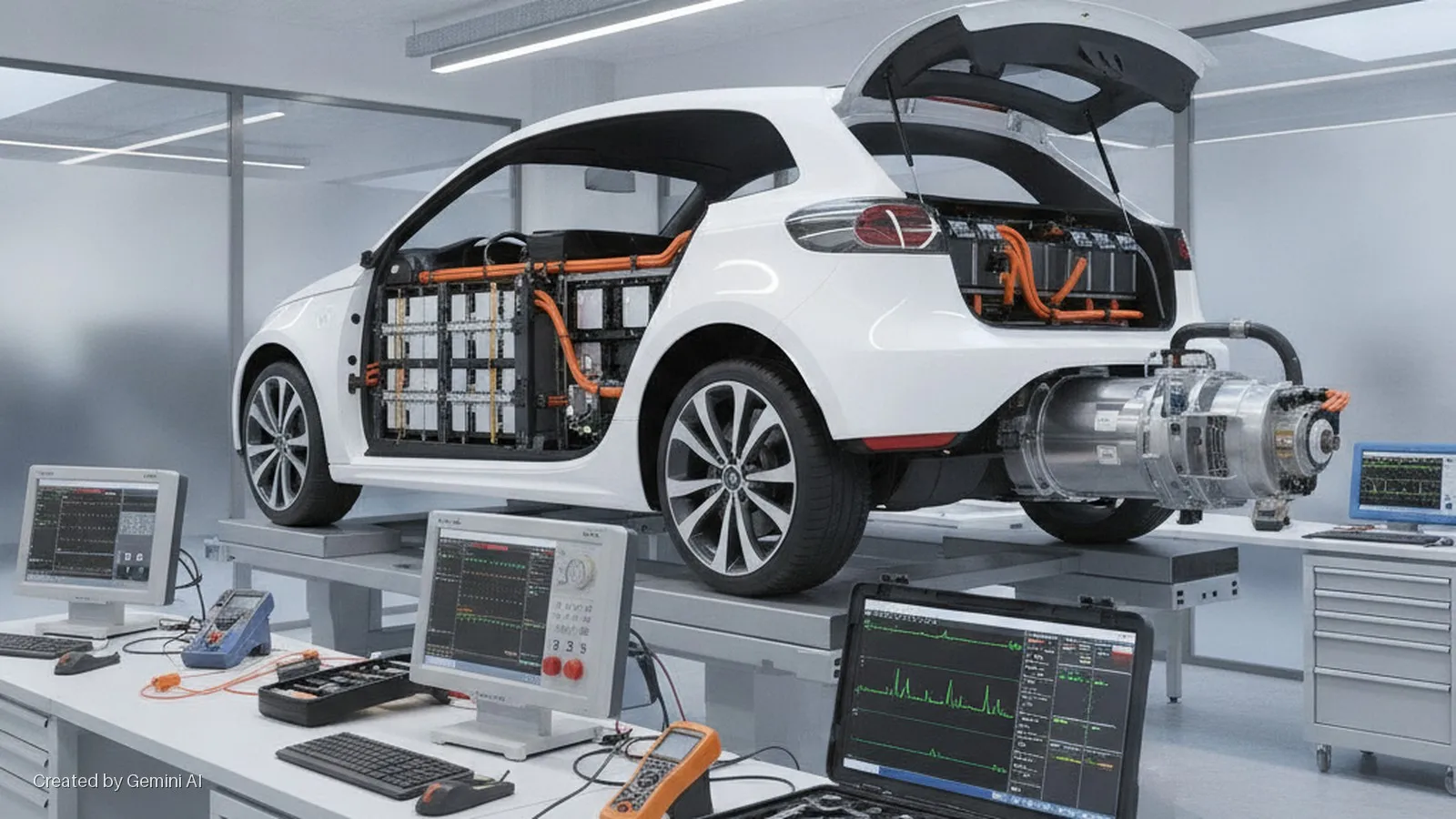
Ruanyun Edai Technology (NASDAQ: RYET), a Malaysia-headquartered education technology company, has signed a memorandum of understanding with Chongqing Anyi Automobile Technical Service (Changan Anyi) and Saudi commercialisation platform Intersect Holding to establish an automotive and new energy vehicle (NEV) institute in Saudi Arabia. The proposed institution would combine four-year undergraduate degrees with two-year applied diploma programmes covering battery systems, electronic diagnostics and intelligent vehicle maintenance, skills that are becoming central to any country attempting a serious EV transition.
The three-way structure reflects the distinct leverage each party brings. Changan Anyi, authorised to operate internationally by Chongqing Changan Automobile, contributes curriculum design, laboratory planning and instructor development. Intersect, in which Wadi Makkah Technology Company (the investment arm of Umm Al-Qura University) holds a stake, handles Saudi institutional engagement and regulatory navigation. RYET organises the Chinese teaching resources and commercial architecture, folding the project into its planned Formind international education brand, which it is building through entities in Malaysia and Saudi Arabia.
China's automotive export playbook adds an education layer
The announcement illustrates an under-examined dimension of China's global automotive expansion. Changan Automobile sold 2.913 million vehicles in 2025, of which more than 1.11 million were NEVs and 637,000 went to overseas markets. As Chinese automakers accelerate their penetration of Gulf markets under brands including DEEPAL and AVATR, they face a local-service bottleneck: technicians trained on internal-combustion vehicles are poorly equipped to diagnose battery management systems or high-voltage architectures. Embedding curriculum in a Saudi university context is one way to pre-build the aftermarket workforce that makes long-term market presence viable.
That logic applies across the GCC, not just Saudi Arabia. The region is attempting simultaneous transitions in energy supply and surface transport, and the two are converging on the same infrastructure gap: a shortage of engineers and technicians who can work across power electronics, battery chemistry and vehicle software. Saudi Arabia had more than 15.8 million registered vehicles at the end of 2024, a 6.9% year-on-year increase, according to the General Authority for Statistics. The Public Investment Fund-backed EVIQ programme has announced a target of more than 5,000 fast-charger locations across the Kingdom by 2030. That infrastructure buildout requires not just installation workers, but a persistent maintenance and diagnostics workforce.
Edtech meets industrial policy in a capital-light structure
For cross-sector investors, the more interesting structural question is whether this model, Chinese OEM expertise, routed through an edtech vehicle listed on NASDAQ, delivered via a Saudi university partnership, is replicable across other industrial verticals where the Gulf is simultaneously importing technology and trying to localise capability. Vision 2030's Saudisation targets create a structural incentive for exactly this kind of arrangement: foreign companies that can demonstrate local workforce development, rather than pure technology import, gain a stronger positioning in procurement and licensing conversations.
RYET is a small-cap edtech business transitioning its identity toward the Formind brand, and the MOU carries the caveats typical of an early-stage international expansion: definitive agreements, university participation, degree-awarding arrangements and commercial terms all remain unresolved. Umm Al-Qura University is not a signatory to the current MOU. CEO Maggie Fu described the ambition as leading "the international development and delivery of specialized vocational education," framing NEVs as "an increasingly important field for applying AI." That positioning, linking vehicle intelligence to the company's AI assessment heritage, is notable, though the operational distance between smart homework software and high-voltage battery diagnostics is considerable.
The 12-month development framework gives the collaboration a near-term milestone against which progress can be measured. Whether it produces a functioning institute or remains a framework agreement will depend on factors, regulatory approvals, instructor availability, funding terms, that the press release candidly flags as unresolved. For the broader convergence story, however, the structural template is already visible: China's industrial export strategy is quietly acquiring an education component, and Gulf sovereign-adjacent institutions are providing the local anchor.