
AI and electrification to redraw automotive value chain by 2030
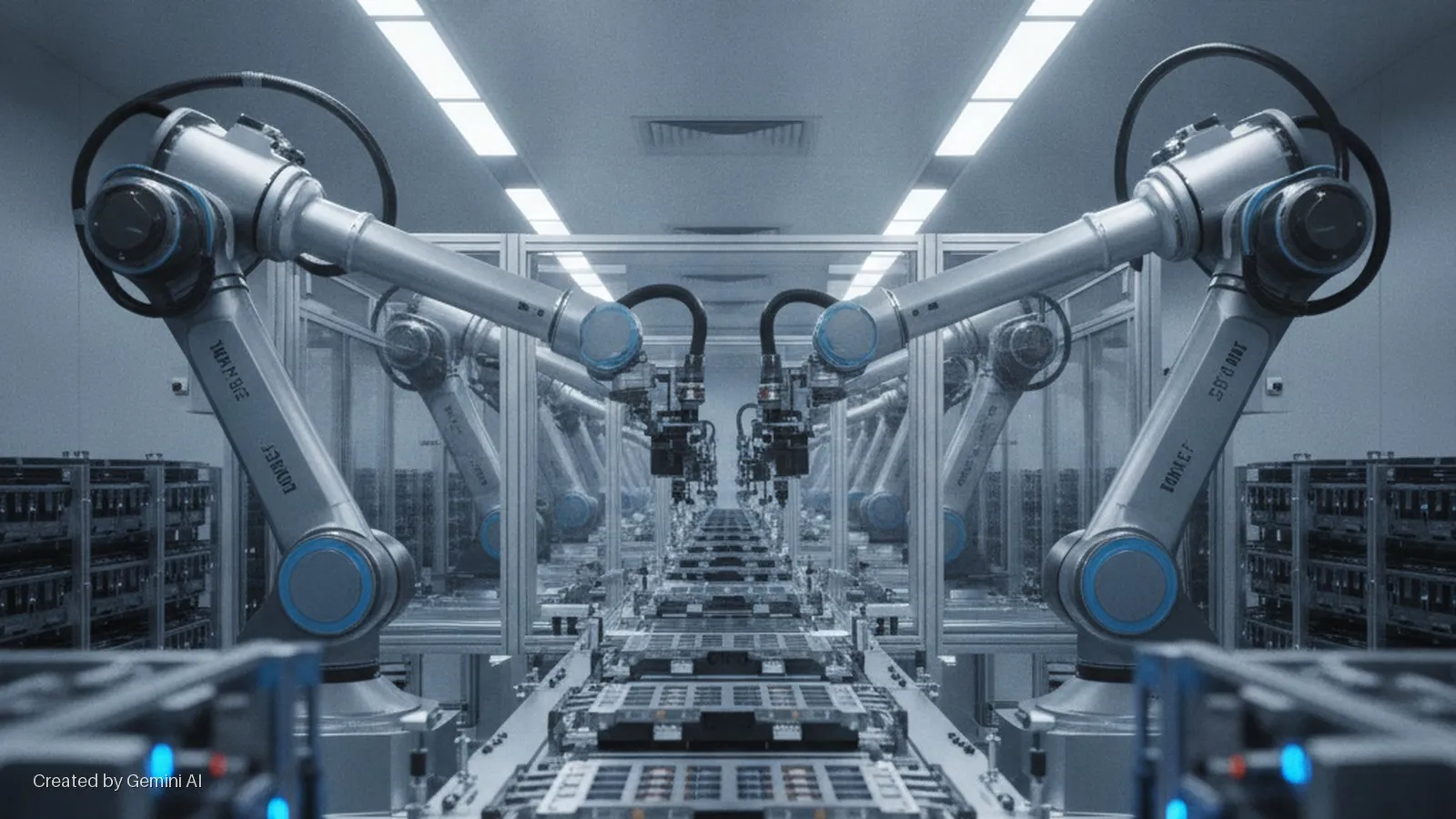
The automotive industry is approaching a structural inflection point, according to PwC's inaugural Global Automotive Outlook, based on a survey of 720 executives across 33 countries. The proportion of companies deploying AI and advanced technologies across their value chains is projected to rise from 47% today to 72% by 2030, as competitive pressure from technology and energy sector entrants forces traditional manufacturers to reconsider their identities from the ground up.
More than half of respondents (51%) rank AI as the single most important technology for achieving strategic goals, ahead of battery and electric powertrain development (41%) and in-vehicle software connectivity (39%). Harald Wimmer, PwC's Global Automotive Leader, put the challenge plainly: "The vehicle is no longer defined by the steel that leaves the factory, it is increasingly being defined by software, digital services and data analytics."
Boundaries dissolve between industries
The competitive threat is already arriving from outside the traditional sector. Nearly half of executives (46%) identify new entrants from adjacent industries, particularly technology and energy companies, as a principal source of competition over the next five years. That framing matters: it is not merely a question of rival car brands, but of software platforms, charging infrastructure operators, and mobility-as-a-service providers competing for the same customer relationships.
PwC's research identifies a cohort of "future-fit" companies in the top performance quintile whose strategic posture differs sharply from the rest. Eighty per cent of this group report a high tolerance for strategic risk-taking, against 49% of other respondents. Future-fit firms are also far more likely to have developed software engineering and AI capabilities (71% vs. 45%) and to be expanding into offerings beyond the vehicle itself (72% vs. 45%). Almost two-thirds of all respondents (64%) are pursuing ecosystem participation as their primary strategic move, a figure that climbs to 80% among the future-fit cohort.
The capital allocation tension underlying all of this is stark. While 76% of executives say they direct investment towards the highest-return initiatives, just 12% say their manufacturing and operations spending is primarily aimed at growth and market share. The rest are funding productivity and efficiency, reinforcing existing structures rather than building the next ones. Talent gaps compound the problem: 51% cite shortages of skilled workers and 45% point to current workforce capabilities as key barriers, with AI and software engineering topping the list of critical missing skills.
Electrification accelerates; growth shifts east
On the product side, battery electric vehicles are expected to grow from 18% of production volume to 30% within five years, while internal combustion engine vehicles fall from 60% to 41%. The transition is more aggressive in China, where BEV share is forecast to reach 40% (from 29%) and ICE to contract to 29% (from 43%), reflecting the competitive pressure from Chinese OEMs that is already reshaping global pricing benchmarks.
Geographically, the growth map is being redrawn. Western Europe's status as a top-three growth market has already declined sharply, cited by just 26% of respondents compared with 44% previously. South Asia and Southeast Asia are emerging as the primary growth poles, with citation rates rising from 24% to 45% and from 31% to 44% respectively. Meanwhile, the customer base itself is transforming: automotive companies expect 33% of revenue within five years to come from new buyers such as commercial fleet operators, mobility service providers, and governments, up from 21% today.
For cross-sector investors, the read-across is significant. The convergence of AI capability, software-defined vehicles, and emerging-market electrification creates capital allocation questions that span automotive OEM equity, semiconductor supply chains, energy infrastructure, and sovereign mobility strategies simultaneously. Incumbents that remain anchored to legacy governance structures risk being outmanoeuvred not just by rival carmakers, but by technology platforms and energy companies that have already learned to operate in this multi-sector terrain. The 2030 horizon PwC sets out is close enough to be a board-level concern today.