
Unusual Machines puts $30m into Powerus to anchor US drone supply chain
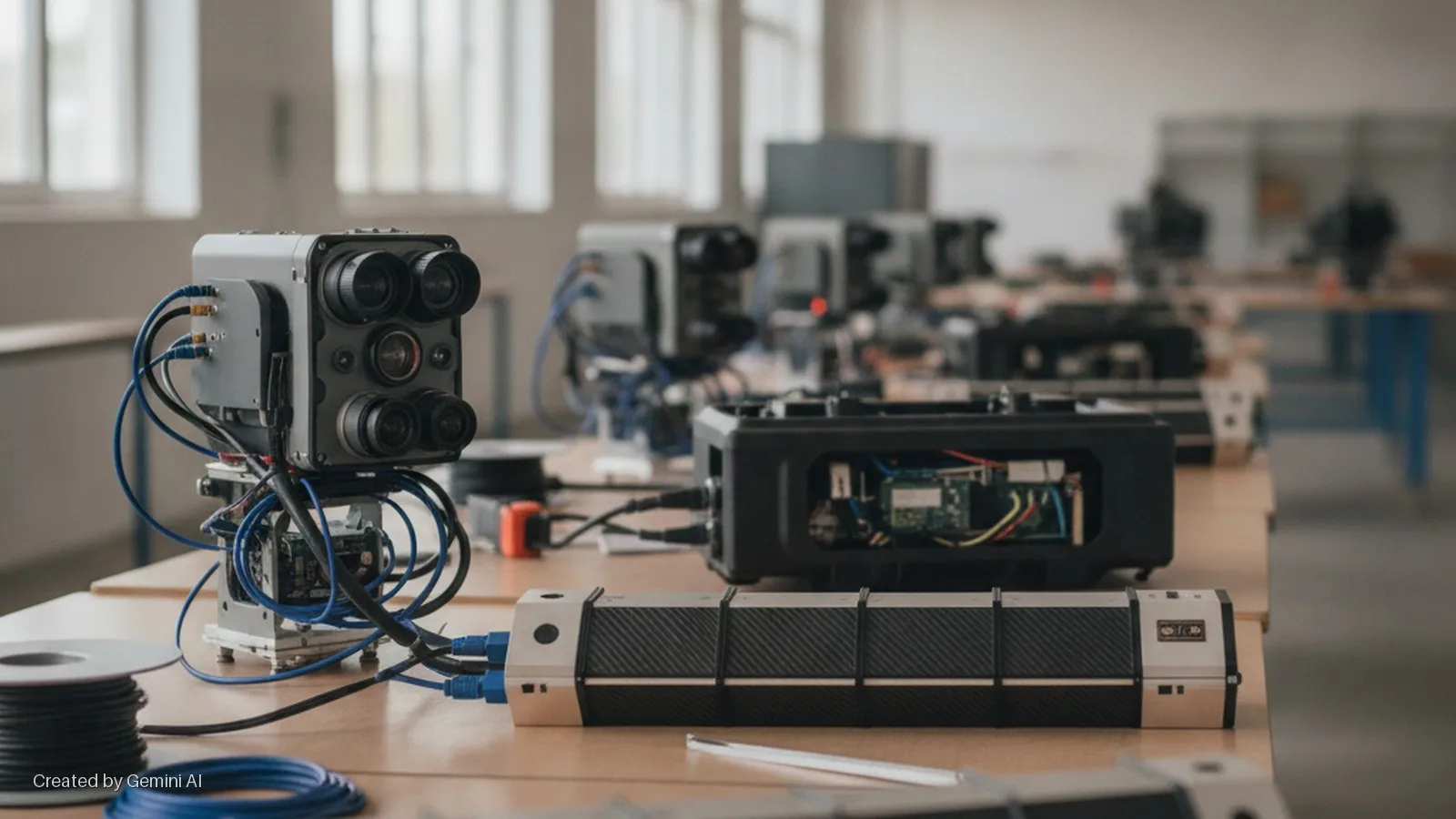
Unusual Machines (NYSE American: UMAC), a Florida-based manufacturer of NDAA-compliant drone components, has made a $30 million strategic equity investment in Autonomous Power Corporation, trading as Powerus, which builds autonomous and counter-drone systems for defence and high-risk commercial environments. The deal formalises a supplier-customer relationship already in place and signals a broader pattern of vertical consolidation inside the emerging US domestic drone-manufacturing stack.
Powerus produces heavy-lift autonomous platforms, autonomous maritime systems, and counter-UAS (uncrewed aerial systems) capabilities. Unusual Machines, which already supplied Powerus with drone components and hardware, now becomes a strategic investor as well as a parts supplier. The two companies are careful to note that no minimum purchase obligations exist between them, but the alignment of incentives is structural: as Powerus scales production, demand for US-made NDAA-compliant components rises, and Unusual Machines is explicitly positioning itself as a dominant Tier-1 supplier to what Fact.MR estimates is a global drone accessories market heading towards $115 billion by 2032, up from $17.5 billion today.
Defence autonomy as an industrial policy bet
The deal sits squarely within the reshoring logic that has defined US defence-industrial policy since the passage of the National Defence Authorisation Act provisions restricting Chinese-origin drone components. NDAA compliance has become a commercial moat for domestic suppliers, transforming a regulatory constraint into a procurement advantage. Powerus is simultaneously advancing a proposed business combination with Aureus Greenway Holdings (Nasdaq: PUSA), a merger that has not yet closed and remains subject to standard regulatory and SEC-filing conditions. If completed, the combined entity would be a publicly listed, vertically oriented autonomous-systems platform with a named institutional supplier on its cap table.
"The threats our customers face are evolving fast, and meeting them takes a supply chain that's built here, holds up under pressure and can scale," said Brett Velicovich, co-founder of Powerus. "Having them as a strategic investor lets us move faster on domestic manufacturing and put proven systems where they're needed most."
Allan Evans, CEO of Unusual Machines, framed the logic from the supplier side: Powerus needs "trusted domestic suppliers and working capital to go fast," and the investment reflects confidence in the long-term relationship as part of a resilient US drone and counter-drone supply chain.
Cross-sector read-across: capital, autonomy and the defence-AI convergence
The Unusual Machines-Powerus deal is a small-cap transaction by the standards of US defence procurement, but it illustrates a structural shift with implications well beyond the drone sector. Defence-autonomy investment is increasingly attracting capital that would previously have tracked pure-play software or semiconductor names. The convergence of AI inference hardware (which powers real-time autonomous flight and counter-UAS targeting), advanced materials for airframes, and sovereign-mandate procurement creates a supply-chain architecture that looks more like a semiconductor foundry ecosystem than a traditional defence prime contractor model.
For cross-sector investors, the relevant signal is the deliberate verticality of the bet. Unusual Machines is not simply a component vendor making a financial return play; it is staking capital to ensure its own revenue base scales as Powerus grows. This mirrors the strategic equity logic used in semiconductor tooling (where equipment suppliers take anchor positions in fab buildouts) and in bioprocessing (where consumables companies invest in their largest bioreactor customers). The pattern suggests that in capital-constrained, regulation-gated markets, supplier-investor hybrids are becoming a preferred structure for accelerating domestic industrial capacity without relying on sovereign-wealth or prime-contractor balance sheets.
The broader question for defence-autonomy watchers is whether this kind of vertically aligned, publicly listed, NDAA-anchored stack can attract the institutional capital flows that would let it compete with the scale economics of larger primes. With the Aureus Greenway merger pending and Unusual Machines now a named equity holder, the next test is whether the combined entity can convert regulatory protection into durable market share before the next NDAA cycle redraws the compliance landscape again.