
ParaZero wins second C-UAS order from Tier-1 defence firm
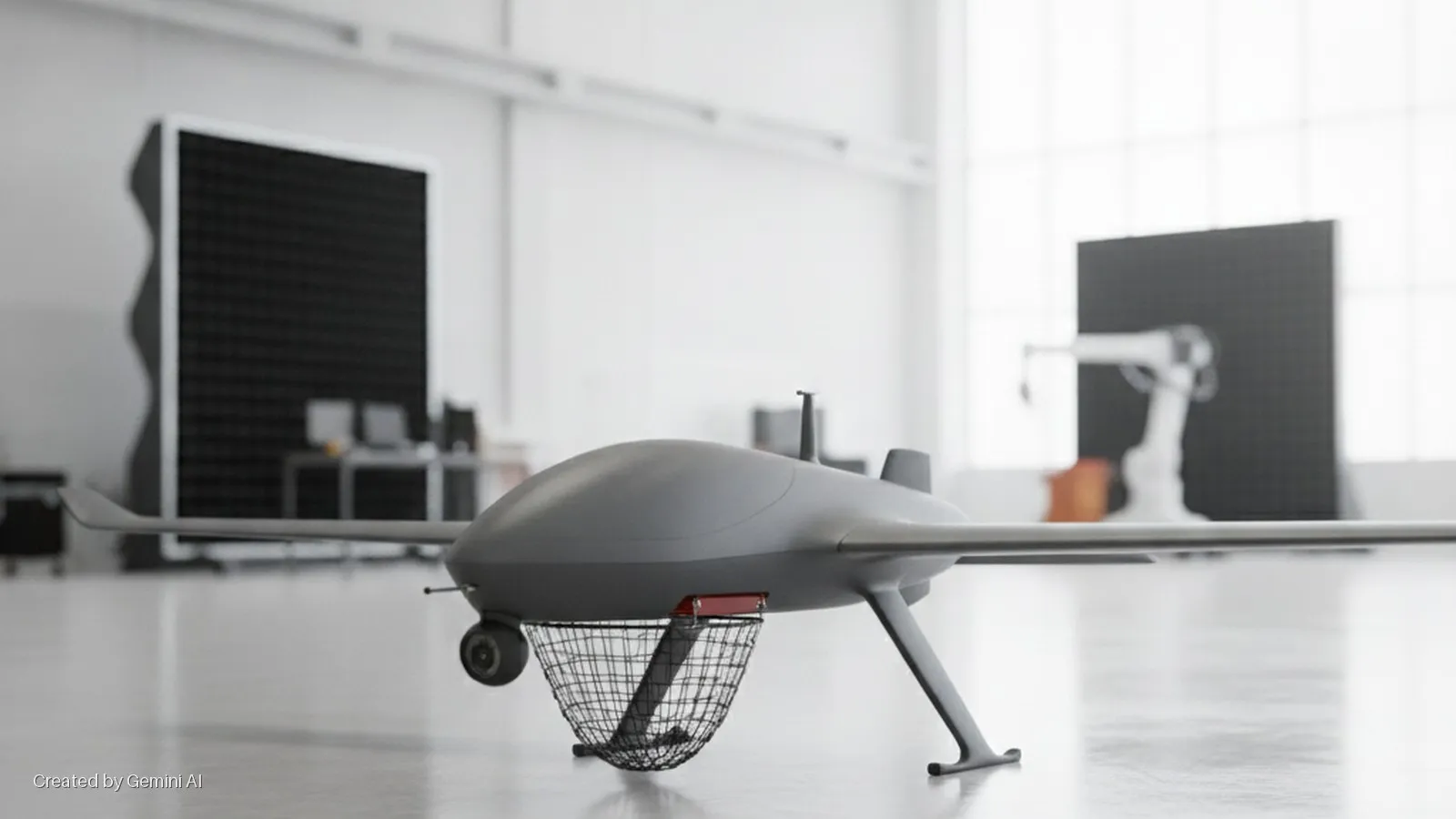
ParaZero Technologies, the Nasdaq-listed Israeli aerospace-defence company, has secured a follow-on order for its DefendAir Net Pod system from a second business unit within the same unnamed Tier-1 Israeli defence group. The order covers both hardware supply and dedicated engineering integration hours to embed the Net Pod into the customer's autonomous ground-based Counter-UAS platform.
The announcement is notable not simply as a repeat purchase but as a signal of how Counter-UAS (C-UAS) procurement is maturing inside large, multi-divisional defence primes. A second independent business unit sourcing the same system suggests the DefendAir is clearing internal evaluation hurdles across distinct programme offices, a meaningful step for a small-cap company seeking platform status rather than project status in a crowded interception market.
Physical interception enters the autonomous stack
The DefendAir Net Pod occupies a specific niche in the layered drone-defence architecture: non-explosive, net-based kinetic interception at the terminal engagement stage. Where electronic jamming and spoofing handle detection and disruption, the Net Pod is designed to physically capture and neutralise a drone without the blast radius or fragment risk of explosive interceptors. That distinction matters in contested urban or infrastructure-adjacent environments, where collateral damage constraints are severe.
The current order explicitly targets integration into autonomous ground platforms, a shift from earlier fixed-site or crewed-vehicle deployments. As defence programmes push autonomy deeper into the kill chain, the demand for "end-effectors", hardware that physically acts on a threat once an autonomous system has made an engagement decision, is growing. ParaZero's CEO Ariel Alon described the Net Pod architecture as offering "flexibility" across autonomous, mobile, fixed, and personal C-UAS profiles, positioning it as a modular component rather than a standalone product.
Cross-sector and capital read-across
The broader C-UAS market sits at an uncomfortable intersection of defence procurement timelines and fast-moving commercial drone technology. Threat platforms are evolving on commercial consumer-electronics cycles, months, not years, while defence acquisition typically runs to multi-year programmes. That asymmetry is accelerating demand for modular, software-updatable interception hardware that can be requalified quickly. It also creates an opening for smaller, agile vendors like ParaZero to displace legacy prime-contractor solutions at the component level.
From a capital-allocation perspective, the C-UAS segment has attracted growing sovereign and institutional interest in parallel with conflicts that have made drone attrition a front-line reality. Israeli defence-tech exports, in particular, carry an implicit field-validation premium that buyers in Europe, the Gulf, and the Indo-Pacific increasingly price into procurement decisions. ParaZero's positioning as a modular integration partner, rather than a full-system prime, aligns with a broader industry pattern in which Tier-1 primes retain system integration authority while sourcing specialist effector technology from smaller specialists.
The company has not disclosed the financial value of this order, and the identity of the Tier-1 customer remains undisclosed. That limits independent verification of scale, but the structural signal, cross-divisional adoption within a single major defence group, is the more strategically relevant data point for investors tracking C-UAS consolidation. The next question is whether the engineering integration work translates into a qualified vendor listing that opens the customer's broader global export pipeline to the DefendAir platform.