
Embraer backs DLR contrail study to cut aviation's non-CO2 impact
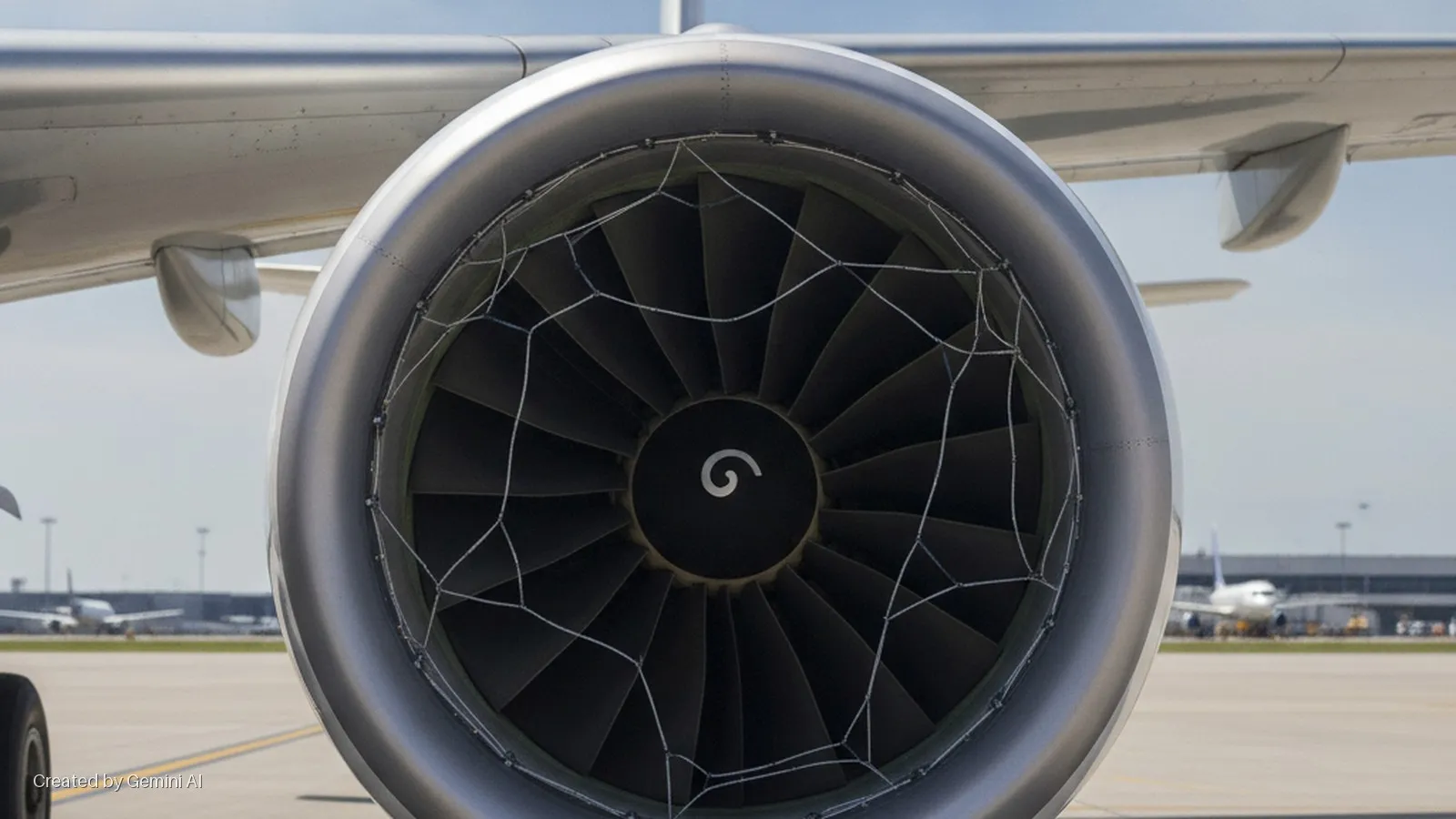
Embraer is lending its E195-E2 narrowbody as a live flight-test platform for IGNITE-X, an international research campaign led by Germany's DLR (Deutsches Zentrum für Luft- und Raumfahrt) that is investigating whether reformulating aviation fuel can meaningfully reduce contrail formation. The project brings together aerospace primes, academic institutions and research agencies, including RTX's Pratt & Whitney, Aerodyne Research, and Missouri University of Science and Technology.
Contrails are the ice-crystal clouds that form when hot, particle-laden exhaust meets cold, humid air at cruising altitude. Unlike CO2, their climate forcing is not directly regulated under existing carbon-pricing frameworks, yet scientific consensus holds that contrails and the cirrus cloud cover they seed account for a significant share of aviation's total warming contribution. IGNITE-X sits squarely in that regulatory gap, generating the kind of controlled, real-world emissions data that policymakers and standard-setters currently lack.
Low-sulphur fuels under real-world scrutiny
The campaign's core methodology compares conventional jet fuel with a specially produced low-sulphur variant, flown on the same E195-E2 aircraft powered by Pratt & Whitney GTF PW1900G engines. DLR's own Falcon 20E chase-plane follows the test aircraft through dedicated corridors over Germany, capturing exhaust plume data at varying distances. Ground-based sensors simultaneously measure ultrafine particle emissions across the full engine-operating range.
Embraer positions the E195-E2 as the most fuel-efficient aircraft in the small-narrowbody segment, claiming up to 30% reductions in fuel consumption versus prior-generation jets. The company says its relatively low baseline emissions make the platform well-suited to isolating the specific contribution of fuel sulphur content rather than masking it beneath noisier engine-efficiency variables.
"We are measuring the emissions directly within the exhaust plume, this is both scientifically and operationally extremely challenging," said Markus Fischer, DLR Divisional Board Member for Aeronautics. "These innovative and, at the same time, challenging tests are the result of an exceptionally committed, trusting and inspiring collaboration between applied research and industry."
Cross-sector implications for fuel supply chains and carbon markets
The strategic significance of IGNITE-X extends well beyond aerospace research. The question of whether low-sulphur or ultra-clean aviation fuels can suppress contrail formation has direct implications for the sustainable aviation fuel (SAF) investment thesis that is currently drawing capital from energy majors, sovereign wealth funds and climate-focused infrastructure vehicles alike. If contrail reduction can be verified as a measurable climate benefit of cleaner-burning fuels, it creates a pathway to new carbon-credit monetisation frameworks that go beyond the existing CO2 accounting architecture.
For fuel producers and refinery operators, that is a material commercial consideration. Conventional jet fuel desulphurisation is already a mature process in road-transport fuels; scaling it to aviation grades is technically tractable but adds cost that the market has not yet had an incentive to absorb. Scientific proof-of-contrail-impact from a credible DLR-led study could shift that calculus, particularly as the European Union's Carbon Offsetting and Reduction Scheme for International Aviation (CORSIA) edges toward incorporating non-CO2 effects in future review cycles.
For aircraft lessors and airline treasury teams, the read-across is different but equally pointed. If contrail-formation risk becomes a quantifiable liability attached to specific fuel grades or engine types, it reshapes both the environmental due-diligence process for fleet acquisitions and the terms under which green-labelled finance instruments are structured. Lenders already demanding SAF blending commitments as a condition of green bonds will watch IGNITE-X findings closely.
The campaign's results are not expected to trigger near-term regulatory change, but they represent exactly the kind of science-first, pre-competitive collaboration that tends to define the boundary between the current voluntary landscape and a future mandatory one. For cross-sector investors with exposure to aviation, energy transition infrastructure or carbon markets, that boundary is worth monitoring.