
Bridger Aerospace wins $58m Texas wildfire surveillance deal
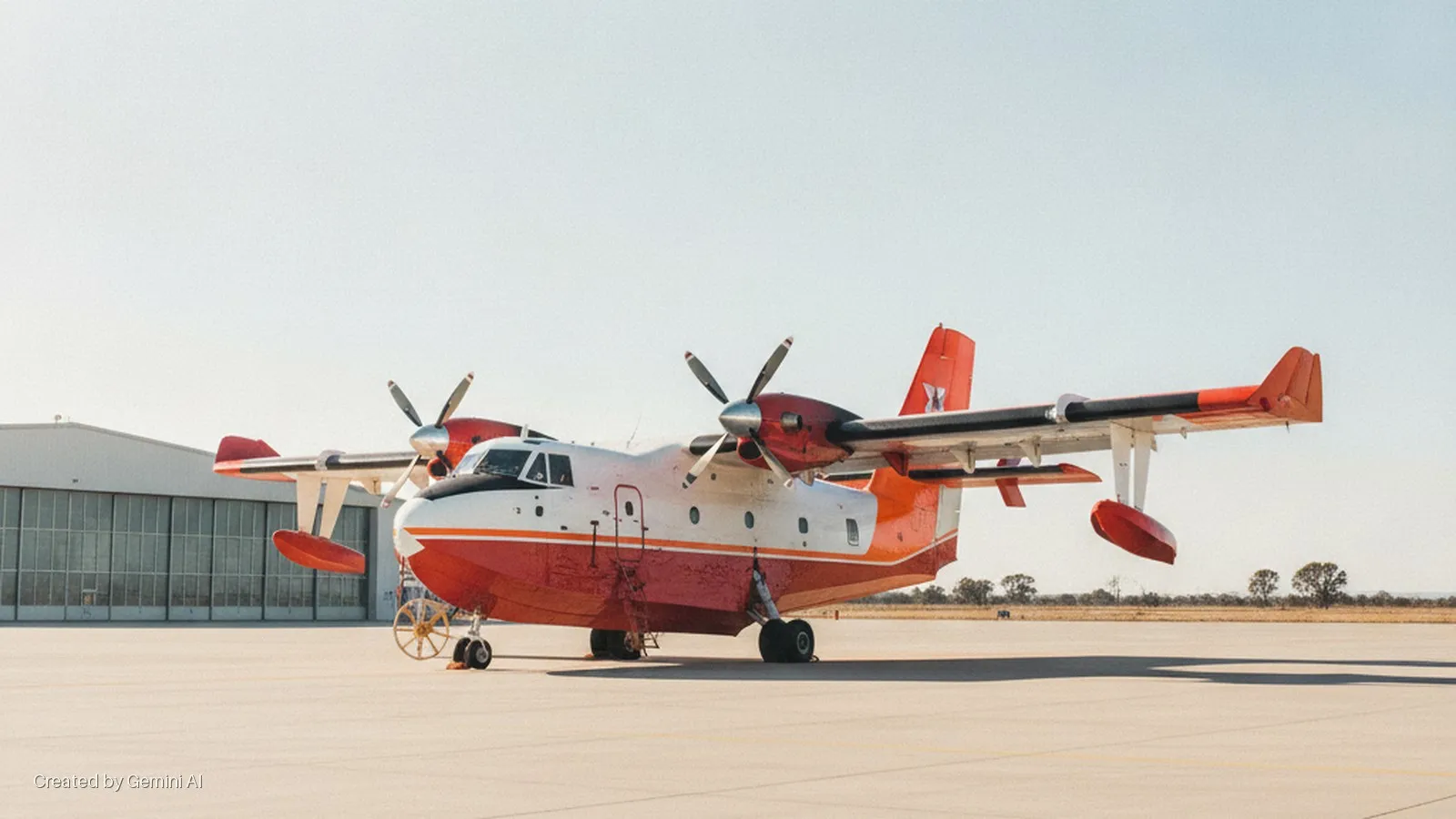
Bridger Aerospace Group Holdings (NASDAQ: BAER) has secured a $58 million contract with Texas A&M Forest Service to acquire, modify, and deliver three King Air 360 multi-mission aircraft over the next three years. The agreement, drawn from a $257 million Texas legislative appropriation under HB500, positions Bridger as the foundational aviation partner for a new state-run wildfire surveillance programme covering detection, emergency operations, cargo logistics, and medical evacuation.
The contract is a signal moment in the accelerating shift toward pre-positioned, state-owned aerial firefighting infrastructure. In 2024, Texas A&M Forest Service and local departments responded to 5,187 wildfires burning more than 1.3 million acres, including the Smokehouse Creek Fire, the largest in Texas history. That scale of destruction has concentrated legislative minds: states are no longer content to rely solely on federal assets, which are shared across all fire-affected geographies simultaneously and can be unavailable during peak demand periods.
Sovereign capability over federal dependency
Bridger CEO Sam Davis framed the contract as part of a broader state-level strategic shift. "Texas A&M Forest Service is setting the standard by investing in a modern, state-based aerial firefighting programme that puts resources in place before disasters strike," he said. "By completing these aircraft modifications in Texas, we're strengthening our operational footprint, supporting local jobs and aviation infrastructure."
All aircraft modifications will be performed in Texas, with Bridger working directly alongside original equipment manufacturer Textron Aviation to accelerate delivery and integrate advanced sensor packages. The King Air 360 platform's multi-mission configuration spans wildfire detection, situational awareness, cargo, and medevac roles, making it a dual-use civil aviation asset that can flex across emergency-response scenarios beyond fire alone.
Cross-sector read-across: climate risk, capital, and aerospace procurement
The Bridger-Texas contract is one data point inside a larger reconfiguration of how governments are pricing climate-driven operational risk. Wildfire frequency and intensity have increased measurably across the American West and South, and insurance markets have begun repricing or withdrawing cover from high-risk zones. That pressure is forcing state balance sheets to internalise costs that were previously externalised onto federal agencies or private insurers.
For the aerospace and defence supply chain, this trend represents a durable procurement cycle. States are becoming direct buyers of sophisticated aviation platforms, creating a layer of government procurement that sits between municipal emergency services and federal defence contracts. Bridger, which also serves the United States Forest Service and international clients, is well positioned to replicate this state-partnership model across other fire-prone jurisdictions.
The broader convergence angle here is sustainability risk meeting aviation infrastructure. As climate volatility drives structural demand for aerial surveillance and suppression assets, the capital required to meet that demand will need to come from a mix of legislative appropriations, sovereign emergency funds, and potentially green-infrastructure financing mechanisms that treat wildfire resilience as a public-good investment. Texas has reached into its own treasury at scale; the question for capital markets is how many other states follow, and at what pace. With fire seasons lengthening and aviation assets already described by Bridger's CEO as scarce relative to demand, the supply-demand imbalance in specialised aerial firefighting capacity could attract interest from infrastructure funds and defence-adjacent investors looking for long-duration, government-backed revenue streams.