
ParaZero wins third business unit order for drone-intercept pods
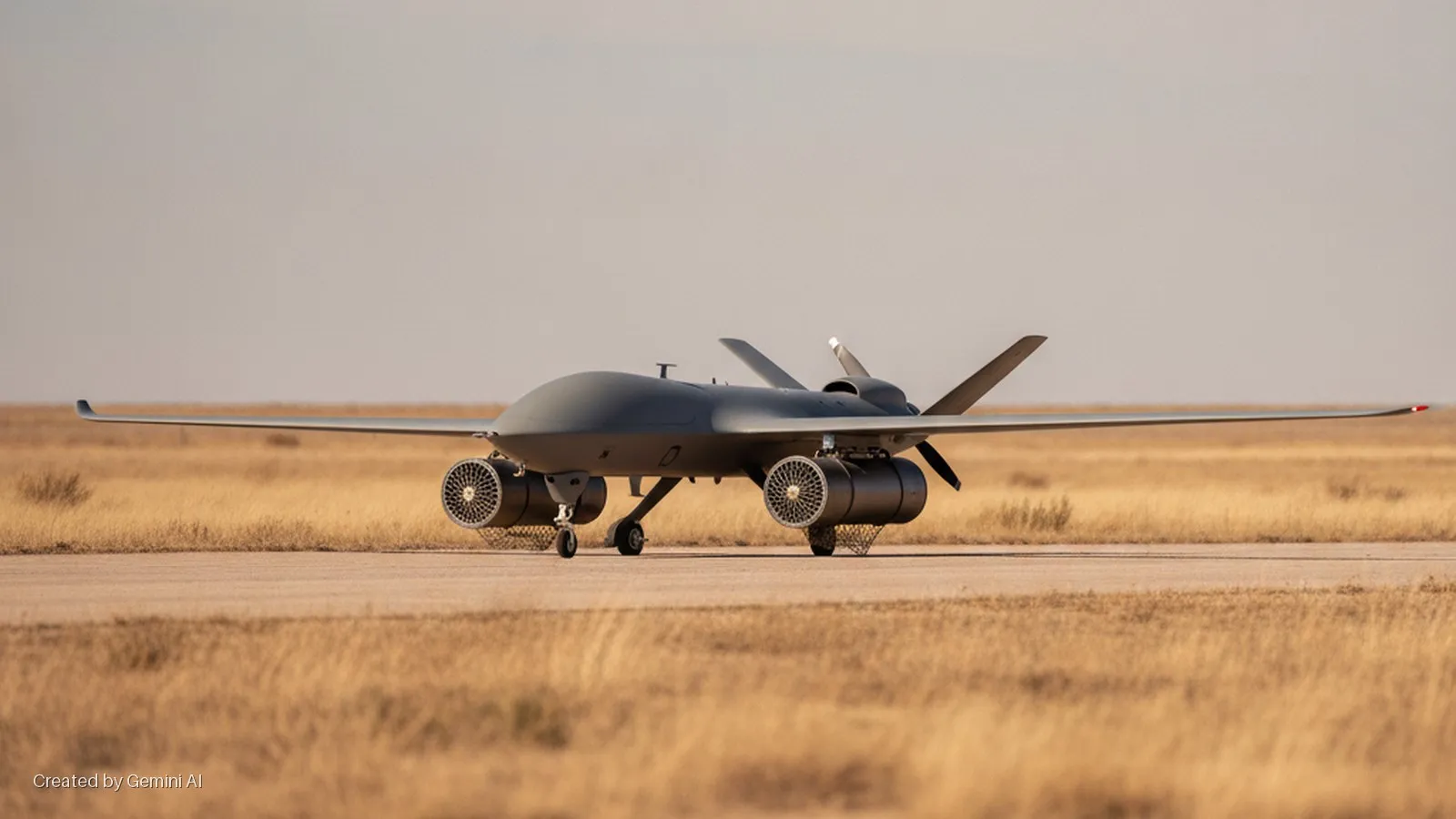
ParaZero Technologies (Nasdaq: PRZO), the Israeli aerospace-defence company specialising in net-based drone interception, has secured a new order for its DefendAir Net Pod system from a third separate business unit within the same unnamed Tier-1 Israeli-based global defence group. The order covers both hardware delivery and dedicated engineering integration support, targeting incorporation into the customer's autonomous Counter-UAS (C-UAS) architecture.
The milestone matters not simply because it adds a line to ParaZero's order book, but because it illustrates a structural shift in how major defence primes are procuring counter-drone capability: not as a single, centralised platform decision, but as a modular, unit-by-unit adoption across heterogeneous autonomous systems.
Layered Defence Becomes Operational Doctrine
ParaZero's DefendAir Net Pod is designed to serve as what the company calls a "last layer" physical interception capability: a non-explosive, net-based mechanism that can neutralise hostile drones without fragmentation risk in congested or sensitive environments. Its modular form factor allows integration across fixed installations, mobile ground platforms, and unmanned systems, each with different technical requirements.
"Modern drone defense cannot rely on a single layer," said Ariel Alon, ParaZero's CEO. "This order from a third business unit reflects a growing understanding that resilient Counter-UAS protection must combine multiple technologies, with a decisive physical interception capability for threats that penetrate the outer defenses."
That framing reflects an increasingly codified doctrine across Western and allied militaries: the shift from single-solution air defence towards tiered, interoperable stacks that blend electronic warfare, kinetic intercept, and physical capture. The unnamed customer's decision to source the same Net Pod technology across three organisationally distinct divisions suggests the modular architecture is proving flexible enough to serve divergent mission profiles within a single prime.
The C-UAS Market and the Convergence of Autonomy
The broader strategic context is significant for cross-sector investors tracking the convergence of autonomous systems, AI-guided targeting, and physical defence hardware. Counter-UAS has evolved from a niche requirement into one of the fastest-growing procurement categories in NATO and allied defence budgets, accelerated by the operational lessons of the Ukraine conflict and the proliferation of low-cost commercial drones repurposed for hostile use.
ParaZero's position is deliberately non-competitive with the electronic-warfare and directed-energy layers that dominate larger defence primes' C-UAS portfolios. Instead, the company is positioning DefendAir as an integration-friendly complement: a physical backstop for threats that slip through the outer detection-and-jamming envelope. That modularity and non-explosive character also opens a parallel civil-security market, from critical infrastructure protection to major public events, where collateral-risk constraints rule out kinetic or directed-energy responses.
For capital allocators monitoring the defence-tech convergence, the order pattern here is instructive. A Tier-1 prime adopting the same third-party sub-system across multiple autonomous platforms is a procurement signal that modular, software-integrable physical-defence components are gaining traction as a category distinct from both legacy munitions and pure-software C-UAS solutions. Venture and growth capital has been flowing heavily into the electronic-warfare and AI-detection layers of the C-UAS stack; the physical interception tier has attracted comparatively less institutional attention, which may represent both a valuation gap and a capability gap that operationally validated suppliers like ParaZero are beginning to close.
The company's next inflection point will be whether engagement deepens into a formal programme-of-record relationship with the undisclosed defence group, or remains a series of discrete unit-level orders. That distinction carries material implications for revenue visibility and for the de-risking narrative that institutional investors in defence-tech typically require before scaling position sizes.