
Moth sets quantum encoding record with biotech and media crossover
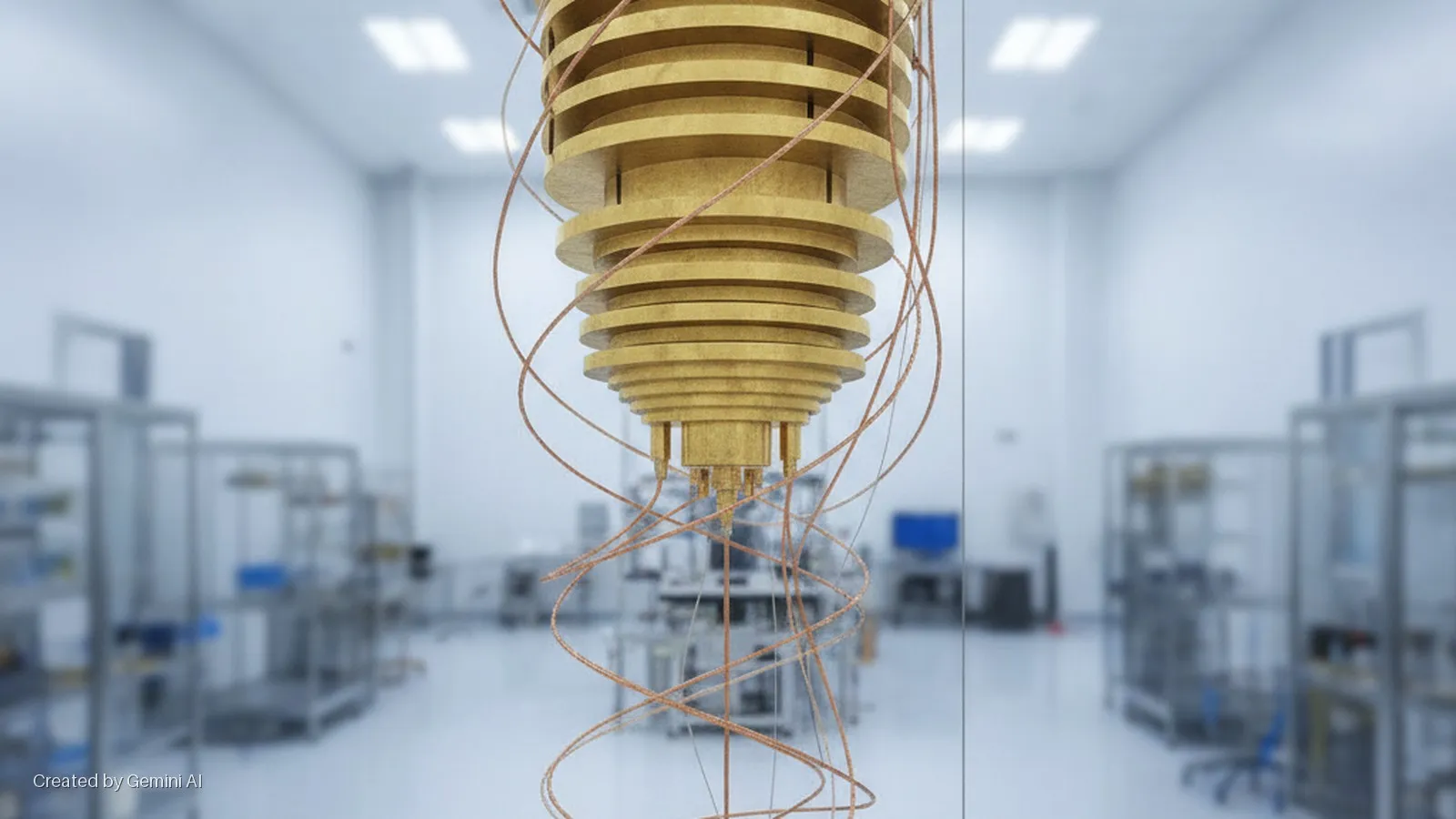
Moth, a London-based quantum applications company, has set what it says is a new benchmark for encoding and recovering classical data on a quantum processor. Its Tessa method successfully encoded 1,568 numbers representing a colour image across all 120 qubits of an IBM Quantum Nighthawk r2 chip and then read that data back. The previous reported record for recovered values stood at 128. The result lands at a moment when the quantum industry is under mounting pressure to demonstrate practical, near-term utility beyond laboratory benchmarks.
The significance lies less in the headline figure and more in the structural problem Tessa addresses. Quantum processors cannot store data the way classical computers do. Every value must be encoded directly into qubit states through gate operations, each of which introduces noise and degrades fidelity. On IBM-architecture chips, where each qubit communicates only with its nearest neighbours, that process is slow and lossy. Any technique that squeezes more usable data onto a full processor, rather than a subset of qubits, is a material advance for the broader quantum machine learning stack.
From creative industries to protein sequencing
Moth's design mandate is unusual among quantum software firms. The company focuses explicitly on creative industries and consumer applications, treating gaming, visual media and music as the primary proving grounds for its tooling. Tessa was built in that context, optimised for image and audio data encoded as numerical arrays. The fact that the same method transfers cleanly to biological sequences is an instructive cross-sector read-across.
Moth tested Tessa on DNA and protein sequences, including p53, the tumour-suppressor protein described in molecular biology as the "guardian of the genome." The company is careful to note that current quantum hardware returns genetic data imperfectly. But the trajectory matters. Quantinuum confirmed last week that it remains on course to deliver fault-tolerant quantum computers by 2029, and hardware fidelity improvements compound quickly. Life sciences and pharmaceutical groups watching quantum timelines have consistently identified data encoding as a prerequisite bottleneck: solving it at the full-processor scale, not just on a handful of qubits, moves the applied biotech use case meaningfully closer.
Daniel Bultrini, the Moth researcher who developed Tessa, described the core problem plainly: "Every quantum computer has to get data in before it can do anything useful with it, and that step has been a bottleneck for fields like quantum machine learning. Tessa makes the most of the chip's capabilities, so the whole processor can be put to work at once."
Capital and convergence implications
For cross-sector investors mapping quantum's path to commercial value, Moth's result is a data point in a broader argument about where the first genuine returns will materialise. The dominant narrative in quantum investment has concentrated on cryptography and financial optimisation, with life sciences framed as a longer-dated bet contingent on fault tolerance. Tessa's performance on protein sequences, even at current noise levels, nudges the life sciences timeline and broadens the addressable market that early-stage quantum application companies can credibly pitch.
The creative-industries angle is commercially underappreciated. Moth's founder Harry Kumar has argued that applications with high human engagement, in gaming and generative media in particular, will be the proving ground that normalises quantum access and builds the developer ecosystem. If that thesis holds, the capital flow pattern could mirror the early cloud era: consumer and media workloads driving infrastructure maturity that then becomes available to pharmaceutical and financial enterprise clients. Investors currently allocating across the AI and biotech stacks will find the quantum encoding layer increasingly relevant to both.
The arXiv paper is available now. Tessa for image processing is accessible via Moth's Atlas platform. The next near-term milestone to watch is whether the method scales to the next generation of IBM processors, which are expected to offer significantly higher qubit counts alongside incremental noise improvements.